New - 12 Hours Ago
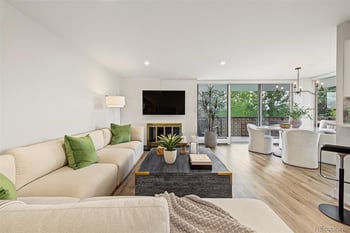

$425,000
Coming Soon
3
Beds
2
Baths
1408
Sqft
--
Acres
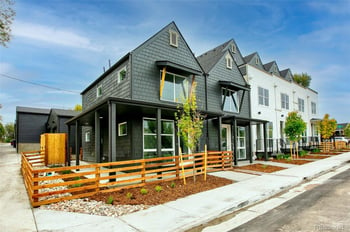
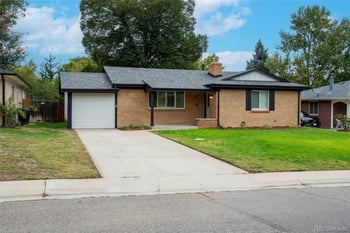
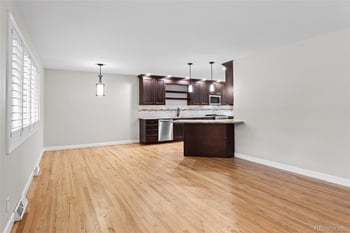
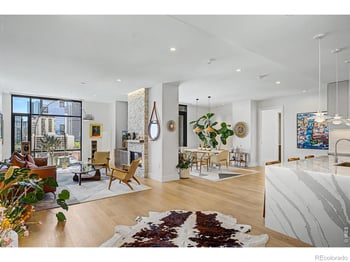
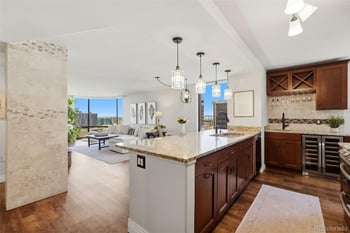
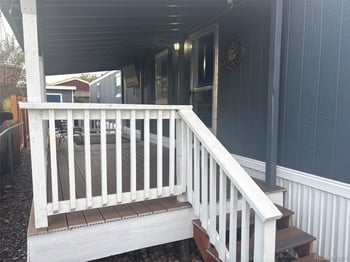
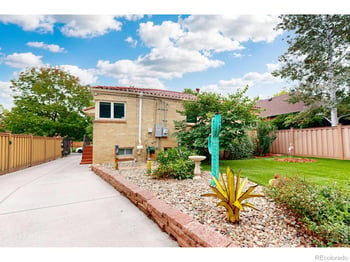
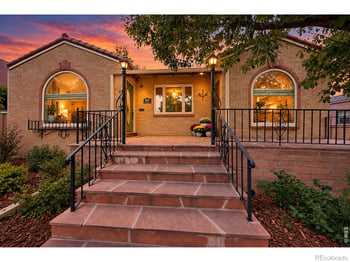
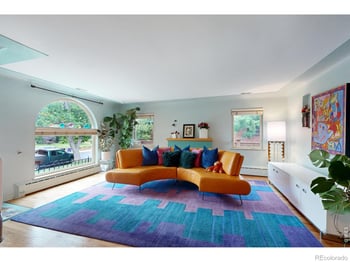
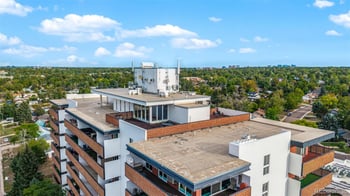
4570 E Yale Ave #301, Denver, CO 80222
MLS#: REC6120582
.jpg)



A first investment property in the Denver metro works when the purchase is a duplex, a house with a rentable basement or a house you live in first, because a single-family home bought with 20% to 25% down at investor rates does not cover its own mortgage on Front Range rents. A $550,000 house rents for $2,600 to $3,200 a month, which is 0.5% to 0.6% of the price; the 1% rule fails on nearly every detached house from Fort Collins to Colorado Springs.
This guide covers the real monthly numbers, the Denver residential rental license, the Colorado landlord rules, house hacking with an FHA loan, and where on the Front Range a first rental pays for itself. The Colorado real estate investing guide is the starting page, and the rental property checklist is what the Kenna Real Estate Group walks through on every candidate.
No. The 1% rule says monthly rent should equal 1% of the purchase price. On the Front Range, detached houses rent at 0.45% to 0.65% of price, older condos and townhomes at 0.6% to 0.8%, and duplexes and fourplexes at 0.7% to 0.9%. The rule was written for markets where a $200,000 house rents for $2,000; Denver is not one of them.
The Denver metro investor makes money three ways instead: buying below market and fixing (the value-add), living in one unit while tenants pay the mortgage (house hacking), and holding through appreciation and loan paydown while the rent covers most of the payment. An investment property that breaks even on day one in Colorado is the exception, so the plan has to say which of the three it is.
Here is a $550,000 Aurora or Lakewood single-family house with 25% down at an investor loan rate, next to a $650,000 duplex bought with FHA at 3.5% down and one unit owner-occupied.
| Monthly line | $550,000 house, 25% down, investor loan | $650,000 duplex, FHA 3.5% down, live in one side |
|---|---|---|
| Principal and interest | $2,700 to $3,000 | $4,000 to $4,400 including FHA mortgage insurance |
| Property tax | $250 to $350 | $300 to $400 |
| Landlord insurance with hail deductible | $180 to $300 | $220 to $350 |
| Maintenance and capital reserve (8% of rent) | $220 to $260 | $180 to $220 on the rented side |
| Vacancy reserve (5%) | $130 to $160 | $110 to $140 |
| Rent in | $2,600 to $3,200 | $2,200 to $2,800 from the rented side |
| Owner's monthly position | Negative $400 to $900 | Pays $1,700 to $2,300 to live there, versus $2,600 to $3,200 to rent the same unit |
The house loses money every month until rents rise or the loan is refinanced. The duplex cuts the owner's housing cost by a third to a half and builds a rental that cash flows the day the owner moves out. That is why the Kenna Real Estate Group points most first investors to the Colorado duplex and multifamily buying guide before the single-family search.
Yes. Denver requires a residential rental license for every long-term rental in the city, single units included. The license runs four years, requires a passed inspection by a third-party inspector on the city's approved list, and covers items like smoke and carbon monoxide alarms, working heat, electrical, plumbing, egress and handrails. Renting without it exposes the owner to city fines and gives a tenant a defense. Budget the inspection before closing on a Denver property, and fix what it flags before the first lease.
Aurora, Lakewood, Arvada and the unincorporated counties have their own rules and most do not license long-term rentals; check the city clerk's page for the address before assuming. Denver's winter rules on heat and snow removal are in the Denver landlord winter compliance post.
House hacking is buying a two- to four-unit property with an owner-occupant loan, living in one unit for at least 12 months, and renting the others. FHA allows 3.5% down on a duplex, triplex or fourplex, counts a share of the projected rent from the other units toward qualifying income, and applies a self-sufficiency test on three- and four-unit buildings. The buyer moves out after the occupancy year and keeps the low-down-payment loan on a building that is now a pure rental.
Mike Oswald, VP of Mortgage Lending at Rate, NMLS 261003, Equal Housing Lender, structures FHA and conventional house-hack loans for Denver metro buyers and runs the rent-qualifying math before the offer is written. You are free to use any lender. The Denver house hacking guide and the Colorado home financing guide cover the loan programs, and the house hacking explained for Colorado homebuyers post covers what living next to your tenant is like.
A conventional loan on a non-owner-occupied single-family house takes 15% to 25% down, and 25% on a two- to four-unit building; the rate runs above an owner-occupant rate and the lender wants reserves after closing. Hard money and DSCR loans (underwritten on the property's rent, not the borrower's income) fill the gap for investors who do not qualify on tax returns. The investment property loans in Denver post compares each.
Rental demand is strongest where jobs and transit meet and prices sit below the metro median. The neighborhoods where the Kenna Real Estate Group's investors get closest to break-even:
Vacancy and rent trends by submarket are in the state of the Denver rental market post. Pick the area on commute time to employers and rent-to-price, and skip any listing pitch that talks about anything else.
Colorado property taxes on a rental are assessed at the same residential rate as an owner-occupied house; there is no investor surcharge, and the bill on a Denver metro house runs lower than in most states. The difference between two similar houses is the mill levy: a 2005 house in a metro district in Aurora, Parker or Green Valley Ranch carries extra mills for the district's bonds that a 1965 house in Lakewood does not. Read the Denver property taxes guide and the Denver special district and metro district tax guide, and pull the actual bill from the county treasurer before the offer.
Only in your primary residence. Denver's short-term rental license requires the host to live in the property, so a pure investment property in Denver is a long-term rental. Aurora, Lakewood and the mountain towns each set their own rules. The Denver short-term rental eligibility guide lists what to check by address.
Equity is the difference between what the property is worth and what you owe on it, and the explanation of what equity is in real estate from 1031 Crowdfunding covers how it grows through appreciation and principal paydown. On a Denver rental, the tenant pays the principal down every month and the metro's long-run appreciation does the rest; the investor who waits five years and refinances pulls that equity into the next down payment. Equity also falls in a down year, which is why the first rental is one you can hold through a soft market without selling.
Hold six months of the full payment in cash after closing, plus $5,000 for the first repair. Buy a landlord policy (a DP-3), not a homeowner policy; on the Front Range read the wind and hail deductible, because a percentage deductible on a $550,000 house is $5,500 to $11,000 out of pocket after the next May to September hail storm. Class 4 impact-rated shingles lower the premium and are the first capital item worth doing.
The Kenna Real Estate Group at Keller Williams DTC finds the duplexes, basement-apartment houses and below-market listings across the Denver metro that a first investor can hold, runs the rent-to-payment math on each one before the showing, and connects the buyer with the license inspector and the lender. Call or text 303-955-4220. A live person answers. Not a robot, not a phone tree. Or search every home for sale in Colorado and filter for multi-unit.
Questions about any home in Colorado? Call or text 303-955-4220. A live person answers.
$2,600 to $3,200 a month for a three-bedroom in Aurora, Lakewood or Thornton, which is 0.5% to 0.6% of the price. With 25% down at an investor rate the owner is $400 to $900 a month negative after taxes, insurance and reserves.
Four years. It requires a passed inspection by a third-party inspector on Denver's approved list, covering smoke and carbon monoxide alarms, heat, electrical, plumbing, egress and handrails.
3.5%, with the buyer living in one unit for at least 12 months. A share of the projected rent from the other unit counts toward qualifying income, and three- and four-unit buildings face an FHA self-sufficiency test.
Pueblo on older houses, and parts of Greeley and Colorado Springs on condos and duplexes. In Denver, Aurora and the south metro it does not, and the plan is value-add, house hacking or a long hold.
No. A rental is assessed at the same residential rate as an owner-occupied house. The difference between two houses is the mill levy, and a metro district in Aurora, Parker or Green Valley Ranch adds the most.
No. Denver's short-term rental license requires the property to be the host's primary residence, so an investment condo in Denver is a long-term rental. Check each suburb's rule separately.
Six months of the full payment plus $5,000 for the first repair, on top of the down payment and closing costs. A hail deductible on a Front Range roof alone runs $5,500 to $11,000 on a $550,000 house.