New - 1 Hour Ago
.jpg)


The right air conditioning system for a Front Range home depends on the home's existing ductwork, the climate's low humidity, and how much cooling a household actually needs through a Colorado summer that's hot in the afternoon and cool again by evening. Four systems cover almost every Denver metro home: central air, evaporative cooling, ductless mini-splits, and a heat pump that handles both heating and cooling.
Central air uses a compressor-based condenser outside and an evaporator coil paired with the existing furnace's ductwork and blower to cool the whole home evenly. It's the most familiar option to buyers relocating from more humid states, and it's the only one of the four that also dehumidifies, which matters during Colorado's brief July and August monsoon humidity spikes.
An evaporative cooler pulls outside air across water-saturated pads, cooling it through evaporation before pushing it into the home, and it costs a fraction of central air to run because it uses a fan and small water pump instead of a compressor. It works well specifically because Colorado's air is dry most of the year; it loses effectiveness during humid stretches and doesn't dehumidify, so it's a strong fit for a Front Range home with modest cooling needs and a lower budget, less so for a household that wants consistent performance on the rare humid day.
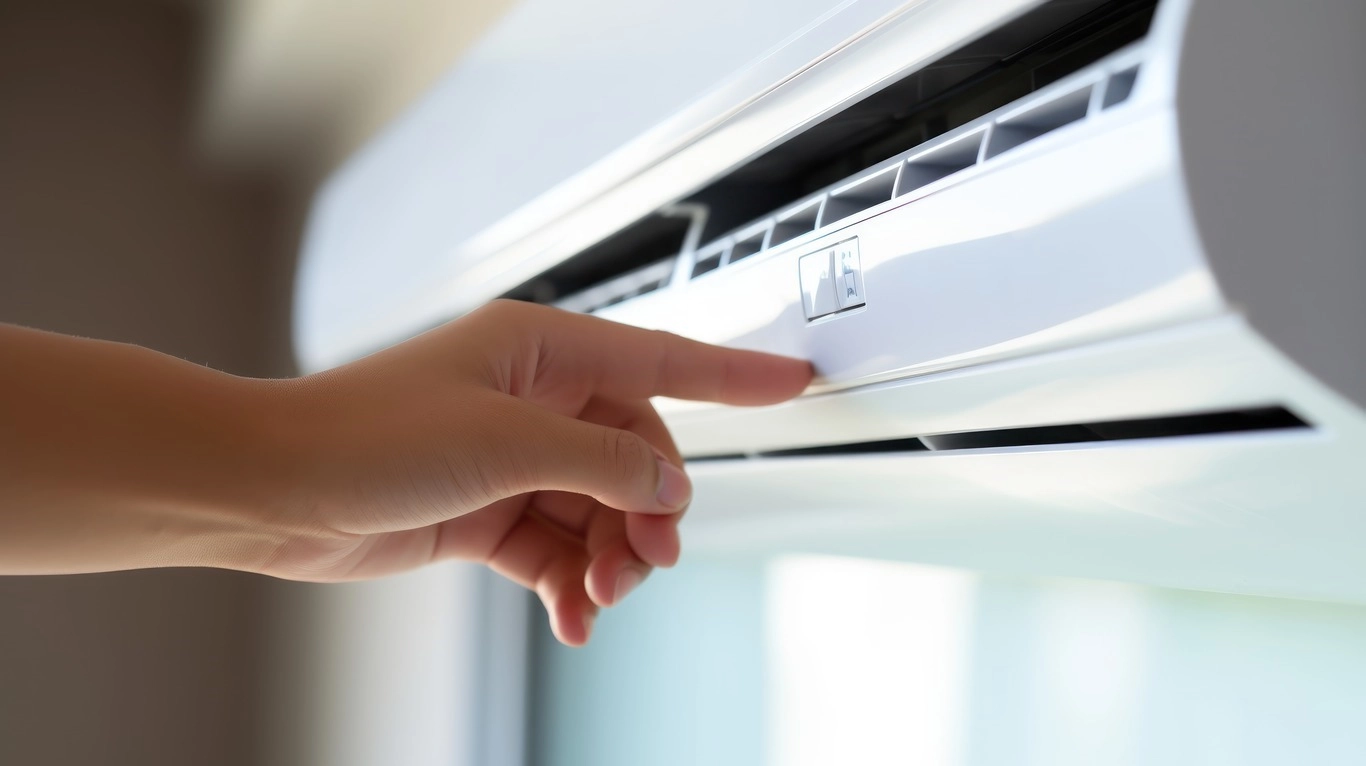
A ductless mini-split mounts an indoor unit on a wall or ceiling, connected by a small refrigerant line to an outdoor compressor, and needs no ductwork at all. This makes it a strong option for an older Denver bungalow or a finished basement that never had ducts run to it, and a multi-zone system can cool different rooms to different temperatures independently.
A heat pump moves heat rather than generating it, cooling a home in summer and, in winter, pulling heat from outside air even when it's cold. On the Front Range, a heat pump pairs with a gas furnace as backup for the coldest nights in most installations, since efficiency drops as outdoor temperatures approach single digits. Where central air only cools, a heat pump replaces both the AC and, largely, the furnace in one system.
| System | Typical Installed Cost | Best Fit |
|---|---|---|
| Evaporative cooler | $1,800 to $3,500 | Homes with existing ducts, moderate cooling needs |
| Central air conditioner | $4,000 to $8,000 | Homes with existing ducts, full dehumidifying needed |
| Ductless mini-split (single zone) | $3,500 to $6,000 | Homes with no ductwork, additions, basements |
| Ducted heat pump (heat and cool) | $10,000 to $20,000 | New construction or full system replacement |
A system sized too large cools a room quickly but cycles on and off frequently without properly dehumidifying, and a system sized too small runs constantly on the hottest afternoons without keeping up. A licensed HVAC contractor calculates the correct size using the home's square footage, insulation, window exposure, and Denver's specific climate data, including the elevation-adjusted design temperature used for Front Range installations.
Thinner air at Denver's 5,280 feet and higher elevations across the Front Range slightly reduces a condenser's heat-rejection efficiency compared to sea level, which is one reason correct sizing by a contractor experienced with Colorado installations matters more here than in a lower-elevation market.
Some Front Range homes run both: the swamp cooler handles most of the season at low cost, and central air kicks in during the hottest, most humid stretches. This setup costs more to install than either system alone but gives a household flexibility that a single system can't match.
In the United States, cooling equipment is rated by SEER2, with a higher number meaning lower energy use for the same cooling output; Xcel Energy's rebate programs set a minimum SEER2 threshold to qualify. Other countries use different systems: Australia rates cooling equipment under the star rating system, which works on the same principle of comparing efficiency but isn't the standard used on equipment sold in Colorado, so a Front Range buyer should compare SEER2 numbers, not star ratings, when shopping locally.
Xcel Energy offers rebates on qualifying high-efficiency central air conditioners and heat pumps, with amounts that change by program year, so a homeowner comparing systems should check current rebate levels at xcelenergy.com before finalizing a choice. For a household on an Xcel time-of-use rate plan, an evaporative cooler or a heat pump running efficiently in shoulder-season weather costs noticeably less than a central AC compressor working hardest during the same weekday-afternoon peak-price window.
Central air is the system most buyers expect by default, especially those relocating from more humid climates, and a home listed with only a swamp cooler sometimes needs a line in the listing explaining why it's an efficient, appropriate choice for Colorado's climate rather than a shortcut. A ductless mini-split in a finished basement or addition reads as a thoughtful solution to a specific problem rather than a downgrade.
A swamp cooler needs to be drained, covered, and have its water line shut off before the first hard Front Range freeze, since standing water left in the unit or its supply line can crack the pump housing or copper line the same way an un-winterized sprinkler system does. Most Front Range HVAC and handyman companies offer a fall swamp cooler shutdown service alongside sprinkler blowouts, and skipping it is one of the more common preventable repair calls each spring.
Ask for a load calculation specific to the home, not a rule-of-thumb estimate based on square footage alone; ask whether the quoted system is sized for Front Range elevation; and ask what the manufacturer's rebate and Xcel Energy rebate eligibility looks like for the specific model quoted. A contractor's maintenance overview is also worth comparing between bids: general upkeep principles carry across climates, and this aircon maintenance tips overview from Australia covers many of the same split-system basics that apply to a Front Range ductless mini-split.
The Kenna Real Estate Group helps Front Range buyers understand what cooling system a home already has and what it would cost to upgrade, and helps sellers decide whether their current system needs attention before listing. Call or text 303-955-4220. A live person answers. Not a robot, not a phone tree. Ready to look at homes instead? Search every home for sale in Colorado.
Questions about any home in Colorado? Call or text 303-955-4220. A live person answers.
Central air dehumidifies and cools consistently in any weather; a swamp cooler costs far less to run and works well in Colorado's low-humidity air but loses effectiveness during humid spells.
Yes, especially for homes or additions with no existing ductwork, since a mini-split needs only a small refrigerant line, not a full duct system.
$4,000 to $8,000 for a home with existing ductwork, more if ducts need modification.
Largely yes, though most Front Range installations pair a heat pump with a gas furnace as backup for the coldest winter nights.
Compare SEER2 ratings, the U.S. standard; Xcel Energy rebates set a minimum SEER2 threshold on qualifying equipment.
Yes. A contractor experienced with Front Range elevation adjusts sizing for the thinner air's effect on condenser efficiency.
Yes, a mechanical permit is required, and an electrical permit if a new dedicated circuit is needed.
It can narrow the buyer pool among relocating buyers who expect central air, though it's an efficient, legitimate choice for Colorado's climate worth explaining in the listing.