New - 1 Hour Ago
.jpg)


Denver tenants pick buildings with working HVAC, current lighting, EV charging and clean restrooms over buildings that only look updated in photos. The eight upgrades below are the ones Front Range brokers report actually move a lease decision, with the cost range each one runs on a Denver metro commercial property and the local rule or climate factor that makes it worth the spend.
Owners weighing a full redevelopment against targeted upgrades should start with the items below, since most of them correct a visible problem a tenant notices on the first walkthrough rather than requiring a permit-heavy renovation.
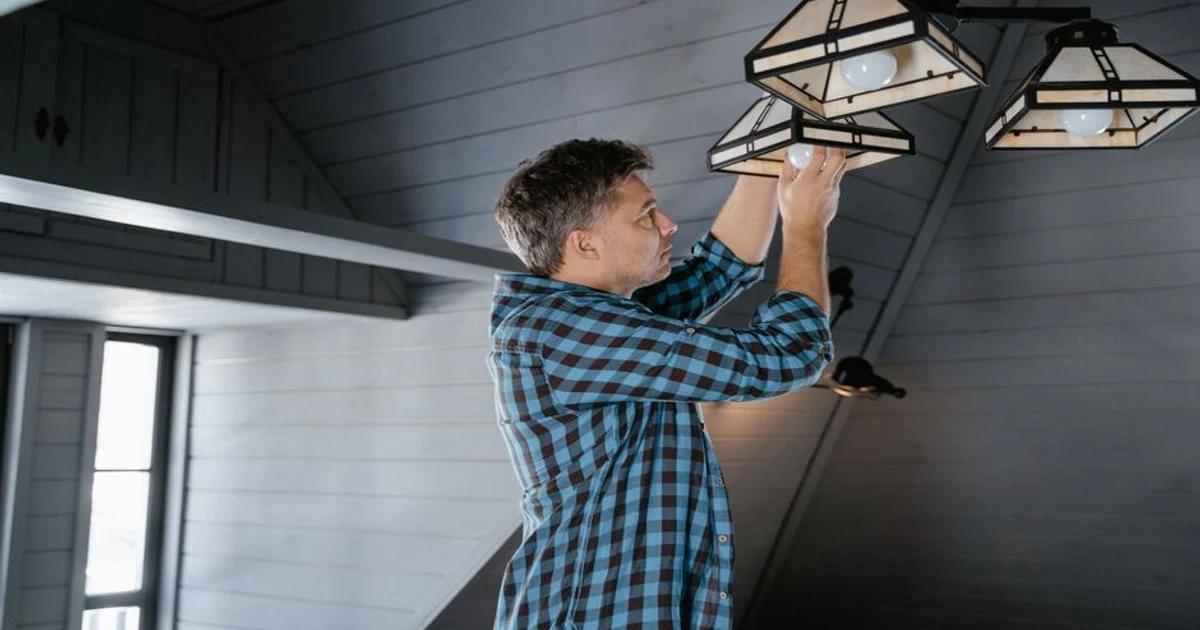
Swapping fluorescent and high-intensity discharge fixtures for LEDs runs $2 to $6 per square foot installed, depending on fixture count and whether wiring needs updating. Occupancy sensors and daylight-responsive controls add 10% to 20% to the project but cut the energy draw further, which matters once a building falls under Denver's benchmarking rules.
Xcel Energy's business rebate programs cover part of the cost of qualifying LED and control upgrades for Colorado commercial customers. A property manager should request a lighting audit before signing a contractor, since the rebate amount depends on the fixture count and the wattage reduction on the application.
Energize Denver applies to commercial buildings of 25,000 square feet or larger. Owners benchmark annual energy use and reduce energy use intensity on a set timeline toward the city's net-zero target. A lighting and HVAC retrofit is the fastest way to lower a building's benchmarking score before a compliance deadline, and it doubles as a tenant-appeal upgrade at the same time.
A 2024 industry report covered by Facilities Dive found that 66% of surveyed commercial property professionals identified comfort as their most common tenant request, which is exactly what recurring hot and cold complaints on a Denver property signal: a leasing risk, not just a maintenance ticket.
Denver's swing from 15-degree mornings to 60-degree afternoons in the same week strains rooftop units built for a milder climate. Programmable thermostats, motor and control replacements, and duct sealing run $15,000 to $75,000 on a mid-size office building and extend the life of the existing system instead of forcing full replacement.
Filtration matters as much as temperature. Front Range wildfire smoke from June through September pushes outdoor air quality into unhealthy ranges several days a year, and a building running MERV-13 filtration keeps that smoke out of tenant space without a full HVAC overhaul.
Panel upgrades and dedicated circuits run $8,000 to $30,000 on an older Denver commercial building, and a two-space Level 2 charging install runs $12,000 to $40,000 depending on how far the panel sits from the parking area. New commercial development in Denver has moved toward EV-ready parking requirements, and even installing the conduit for future chargers without the chargers themselves keeps an older building competitive when a tenant asks.
Electrical work on a Colorado commercial property should go to a licensed local electrician who knows Denver's permit and inspection process; a commercial electrician in Denver can scope the panel capacity before a lease is signed.
A core restroom renovation on a Denver commercial property runs $25,000 to $60,000 and should prioritize durable, low-maintenance surfaces over decorative finishes. Grab bar placement, door clearance and accessible sink height are code requirements, not upgrades, and a Colorado tenant who tours a non-compliant restroom treats it as a red flag about the rest of the building.
Colorado's hail season stretches from spring through September, and the Front Range sits in one of the highest-frequency hail corridors in the country. Roof inspections after every significant storm catch granule loss and dented flashing before a small problem becomes a leak. Parking lot resurfacing on the Front Range runs $3 to $7 per square foot, and repainting striping and repairing cracked pavement costs far less than a full resurface while still fixing the first thing a prospective tenant notices on the drive in.
A prospective tenant forms an opinion about a Denver commercial property before the tour starts. Pressure-washed facades, repainted entry trim and a legible, well-lit monument sign correct the most common complaints without triggering a full redevelopment. Low-water native landscaping at the entrance finishes the look and holds up against a Front Range summer without a heavy irrigation bill.
Colorado Department of Transportation and city crews spread magnesium chloride on Front Range roads to control ice, and it tracks into entrances, corrodes metal door frames, and etches concrete over a winter season. Walk-off mats, sealed entry flooring and an annual concrete sealant application at entrances protect the surfaces tenants see first.
Mobile-credential and key-card systems run $5,000 to $25,000 per entrance depending on integration with existing hardware. A visitor-management system that logs contractors and deliveries matters more in a multi-tenant Denver building than a bank of cameras alone, because tenants ask about the process, not just the equipment.
Colorado's semi-arid climate and Front Range water restrictions make traditional turf landscaping expensive to maintain. Replacing high-water turf with native, low-water plantings cuts irrigation costs and upkeep hours while still giving the property an attractive, low-maintenance entrance.
UV intensity at 5,280 feet runs measurably higher than at sea level, which shortens the useful life of exterior paint and roofing membranes compared to the manufacturer's stated lifespan in a lower-altitude market. Front Range owners should budget for exterior repainting and roof coating on a shorter cycle than the national average and treat it as routine, not deferred maintenance.
The table below groups the upgrades above by typical cost range for a Denver metro commercial property, so an owner can prioritize against an actual leasing deadline instead of guessing.
| Upgrade | Typical Front Range cost range | Tenant impact |
|---|---|---|
| LED lighting retrofit | $2 to $6 per sq ft | Immediate visual and utility-bill impact |
| HVAC controls and repair | $15,000 to $75,000 | Comfort complaints drop fastest |
| Electrical panel and EV prep | $8,000 to $40,000 | Removes a lease objection before it starts |
| Restroom core renovation | $25,000 to $60,000 | Signals overall building condition |
| Parking lot resurfacing | $3 to $7 per sq ft | First impression on the drive-in |
| Access control per entrance | $5,000 to $25,000 | Simplifies day-to-day operations |
Owners financing these projects with a purchase, refinance or a value-add acquisition can review options through the Colorado real estate investing guide, and investors comparing a new acquisition against upgrading an existing hold should start with the rental property checklist.
The Kenna Real Estate Group works with Front Range commercial property owners on acquisitions, dispositions and the upgrades that get a space leased faster. Call or text 303-955-4220. A live person answers. Not a robot, not a phone tree. Ready to see what's on the market? Search every home for sale in Colorado.
Questions about any home in Colorado? Call or text 303-955-4220. A live person answers.
Panel and circuit work on an older Denver building runs $8,000 to $30,000 depending on the scope; get a scope from a licensed local electrician before budgeting a full EV charging install.
Buyers and appraisers weigh recent mechanical, electrical and roofing work heavily because it removes near-term capital expense from their own underwriting, which supports a stronger sale price.
After every hailstorm from spring through September, plus one full annual inspection, catches granule loss and flashing damage before it becomes a leak.
Most Front Range commercial LED retrofits pay back through energy savings within two to four years, faster with an Xcel Energy rebate applied.
Buildings built before the 1980s should be tested before any restroom, ceiling or flooring demolition; the contractor handles this as a standard pre-renovation step.
Owners use cash-out refinances, SBA 504 loans for owner-occupied buildings, and traditional commercial mortgages; a local lender can map the option against the property's current loan.
Even one or two Level 2 spaces removes an objection from tech and professional-services tenants who screen buildings on that feature before touring.