$639,000
Active
5
Beds
4
Baths
3811
Sqft
0.14
Acres
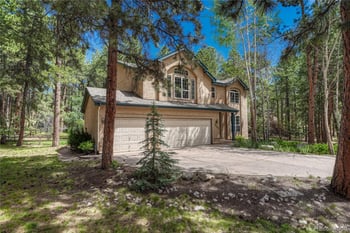
15510 Jessie Dr, Colorado Springs, CO 80921
MLS#: 7433854
.jpg)



Every Colorado home inspection turns up the same short list of hazards, and most of them are inexpensive to fix before a buyer's inspector finds them first. Here is what shows up most on Front Range inspection reports, what each one costs to correct, and what a seller hosting showings and open houses needs to know about liability along the way.
Loose or missing handrails on stairs, uneven walkways and driveway slabs heaved by expansive clay soil, exposed electrical wiring in a basement or garage, and non-functioning smoke or carbon monoxide detectors top the list across the Front Range. Inspectors also flag loose deck boards, missing GFCI outlets near water, and rugs without a non-slip backing at the top of a stairway.
Freeze-thaw cycles heave concrete walkways and driveways every winter, and expansive clay soil under the slab makes that heaving worse year over year in much of the Denver metro and Colorado Springs. A walkway that was flat when a house was built ten years ago commonly develops a lip or crack wide enough to catch a shoe.
Homes built before the 1990s frequently have outdated fuse panels, missing GFCI protection in kitchens and bathrooms, and extension cords run permanently through walls or under rugs. A licensed electrician can bring a panel and outlet layout up to current code, and that work is one of the fastest ways to remove a page of items from an inspection report.
A dark stairwell or an unlit basement landing hides the exact things most apt to cause a fall: an uneven step, a low door frame, a box left on the floor. Motion-sensor lights at exterior doors and stairwells, and a simple wattage upgrade in dim hallways, cost under $200 total and remove one of the most common causes of a fall inside a home.
| Hazard | Typical Denver metro repair cost |
|---|---|
| Handrail install or repair | $150 – $500 |
| Walkway or driveway slab repair | $300 – $1,200 per slab |
| GFCI outlet installation (each) | $120 – $250 |
| Electrical panel upgrade | $1,800 – $4,500 |
| Smoke and carbon monoxide detector set | $150 – $400 |
| Deck board and railing repair | $400 – $1,500 |
Yes, and it shows up more than the dry climate would suggest, tied to a moisture source rather than outdoor humidity in nearly every case. Basements, crawl spaces, and bathrooms without an exterior exhaust fan are where inspectors look first. The CDC's mold health guidance covers cleanup and when a professional remediation company should be brought in instead of a DIY fix.
Colorado's seller property disclosure form asks directly about known defects in the electrical, structural, and mechanical systems, along with any hazard the seller is aware of. A documented, completed repair reads far better to a buyer than a hazard left off the form and found during the buyer's own inspection.
A homeowner hosting showings and an open house owes visitors a reasonable duty to fix or warn about known hazards on the property, and an unaddressed hazard like a loose stair tread or an unlit walkway raises real exposure if someone is hurt on the way through. Anyone dealing with an injury that already happened on a property should talk to a premises liability lawyer about next steps, since the specifics of each case change the analysis.
FHA and VA appraisers flag missing or loose handrails on stairs with four or more risers, and exposed wiring or a non-functioning smoke detector can hold up a loan's approval until repaired. A seller who fixes these ahead of listing avoids a repair addendum after an FHA or VA buyer's appraisal comes back.
Cracked or heaved patios, a pool or hot tub without a code-required barrier, low tree limbs over a walkway, and ice buildup on north-facing steps in winter. Mag chloride runoff from a driveway can also make a sloped walkway slicker than expected during a thaw-refreeze cycle.
Grading that slopes toward the house instead of away from it does double duty as a problem: it pools water against the foundation and it creates the low spots that ice over first in winter. Regrading the first 10 feet around a foundation, at $500 to $2,000 depending on scope, addresses both at once.
Many Front Range HOAs and metro districts require a submitted plan for exterior changes like walkway replacement, handrail additions, or deck repair, even when the work is a repair rather than a remodel. Checking the HOA's architectural rules before the contractor starts avoids a fine or a stop-work notice.
Under the Colorado Contract to Buy and Sell Real Estate, the inspection objection deadline is when a buyer raises repair requests based on what the inspector finds. A seller who has already fixed the obvious items above walks into that negotiation with a shorter list and a stronger position at the table.
Check every stairway for a secure handrail, test GFCI outlets in the kitchen and bathrooms, look at the electrical panel for its age and capacity, and ask when smoke and carbon monoxide detectors were last replaced. All four take five minutes during a showing and can shape the offer price.
Yes. A buyer who sees a home with fresh handrails, working detectors, and an even walkway assumes the rest of the house has been maintained the same way. Reflecting that work in a Smart Pricing Report keeps the value of the repairs with the seller instead of ceding it in negotiation.
Test and replace batteries in every smoke and carbon monoxide detector, tighten any loose handrail, add a motion light at the darkest exterior door, and clear ice-prone north-facing steps before the next freeze. All four take under two hours and under $150 combined.
Ask for the printable pre-listing hazard checklist in the form below and we email it the same day.
Before a Front Range home goes on the market, the Kenna Real Estate Group walks sellers through the same list an inspector will use, so repairs get made on the seller's terms instead of the buyer's. Call or text 303-955-4220. A live person answers. Not a robot, not a phone tree. Buying instead? Search every home for sale in Colorado.
Questions about any home in Colorado? Call or text 303-955-4220. A live person answers.
Loose or missing stair handrails, followed by uneven walkways heaved by expansive clay soil and missing GFCI protection near water.
FHA and VA appraisers flag missing handrails, exposed wiring and non-functioning smoke detectors as repairs required before closing.
$1,800 to $4,500 depending on panel size and whether the service line also needs upgrading.
A homeowner hosting showings owes visitors a reasonable duty to fix or warn about known hazards; anyone dealing with an injury that already happened should talk to a premises liability lawyer.
Yes, tied almost always to a moisture source rather than outdoor humidity; the CDC's mold health guidance covers cleanup steps once the source is fixed.
Testing smoke and carbon monoxide detector batteries, tightening a loose handrail, and adding a motion light at a dark exterior door, all for under $150.
Freeze-thaw cycles heave concrete every winter, and expansive clay under the slab makes that heaving worse year over year, opening lips and cracks in walkways.