New - 3 Hours Ago
$90,000
Active
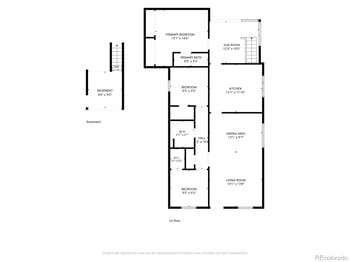
3
Beds
2
Baths
1216
Sqft
0.08
Acres
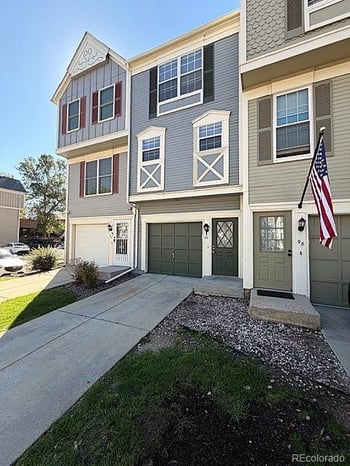
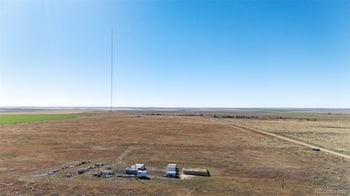
5102 E 96th Dr Lot 156, Denver, CO 80229
MLS#: REC9350823
.jpg)



The reporting mistake that costs Colorado landlords the most money is treating each rental property like a separate hobby instead of one portfolio with one set of numbers. A single missed expense, an unlogged security deposit, or a rent roll that does not match the lease terms can turn a profitable Front Range rental into a property that looks like it is losing money, or worse, one that actually is and nobody noticed until tax season.
At minimum, every property in a Colorado rental portfolio needs four numbers tracked monthly: gross rent collected, operating expenses, net operating income (NOI), and vacancy days. Add a fifth for anyone with more than two doors: a consolidated portfolio summary that rolls every property into one page, because a Denver duplex and an Aurora single-family rental have different tax bills, different insurance premiums, and different HOA rules, and a spreadsheet that blends them together hides which property is actually earning its keep.
The single most common error is running rental income and expenses through a personal checking account. Once a security deposit, a maintenance bill, and a grocery run all hit the same statement, reconstructing accurate numbers at tax time or before a sale becomes a research project instead of a five-minute export. Colorado landlords with even one rental should open a dedicated account for that property, or one account per property once the portfolio reaches three or more units, so every deposit and withdrawal has a clean paper trail.
Colorado law caps most residential security deposits at two months' rent under SB23-184, and a landlord who cannot produce a clear ledger showing exactly what was collected, what was deducted, and what was returned is exposed if a tenant disputes the return. HB25-1249 changed how long a landlord can hold a deposit and what documentation must accompany deductions, not the two-month cap itself, so the deposit needs its own line on every property report, separate from rent income, from day one of the lease to the day it is refunded.
A furnace repair and a furnace replacement are not the same line item. Repairs are deducted the year they happen; capital improvements, like a new roof after a hail claim, a repiped bathroom, or a finished basement, are depreciated over time. A Colorado landlord who lumps both into "maintenance" hands a CPA a mess every spring and regularly overpays or underpays taxes as a result. Keep two categories from the first invoice: repairs and capital improvements, with receipts filed by property and by year.
A rental property report that only shows rent and mortgage misses the costs that actually move a Front Range portfolio's bottom line. That includes county property tax (which has climbed across Denver, Arapahoe, Jefferson, and El Paso counties in recent reassessment cycles), homeowner's insurance with hail and wind coverage priced separately after spring and summer storm seasons, HOA or metro district dues that can run several hundred dollars a month in newer Front Range subdivisions, and a Denver rental license fee if the property sits inside city limits. Every one of these belongs on the monthly report, not buried in an annual summary.
Once a portfolio has more than one property, using a different spreadsheet layout or a different bookkeeping app for each one makes side-by-side comparison nearly impossible. A standardized monthly template, applied to every property the same way, is what lets an owner spot the underperforming rental in thirty seconds instead of an afternoon. Some investors build this by hand in a shared spreadsheet; larger portfolios move to dashboards for real estate that pull each property's numbers into one consistent view automatically.
Internal numbers alone do not tell a landlord whether a rent is priced right. Denver, Aurora, Colorado Springs, and Fort Collins each have their own rent growth pattern, and a unit priced two years ago without a market check sits hundreds of dollars below what a comparable unit down the street commands, or priced high enough to sit vacant. Cross-checking rent against current Front Range comps at every renewal, not just at move-in, is part of accurate reporting for real estate portfolios, not a separate task.
Typing numbers into a spreadsheet from memory, or from a stack of receipts once a quarter, produces duplicate entries and missed expenses. A missed water bill or a double-counted repair does not just skew one month's report; it compounds into a wrong year-end number that a lender, a buyer, or the IRS will eventually ask about. Automating bank feeds, even with a basic tool like Leni for a larger portfolio, or a simple recurring calendar reminder to reconcile weekly for a smaller one, closes this gap.
The bill for sloppy reporting comes due at the worst possible moment: when a landlord is ready to sell or refinance. A buyer's lender wants clean trailing-twelve-month rent rolls and expense history before underwriting a portfolio purchase, and a seller who cannot produce them either loses negotiating room on price or spends weeks reconstructing records under deadline pressure. A rental portfolio priced through a current Smart Pricing Report moves faster when the income numbers behind it are already accurate.
A CPA who already works with Front Range real estate investors is worth the fee once a portfolio produces enough transactions that a general accountant starts guessing at classifications. A specialist knows how Colorado property tax reassessment cycles, county rental licensing fees, and depreciation on a capital improvement like a hail-damage roof replacement interact on a Schedule E. For a single rental, quarterly check-ins are enough; for three or more properties, monthly reconciliation with a CPA catches errors while they are still cheap to fix.
| Report Item | Why It Matters in Colorado | Review Frequency |
|---|---|---|
| Rent roll vs. lease terms | Catches missed rent increases at renewal | Monthly |
| Security deposit ledger | SB23-184 two-month cap and return documentation | Per tenancy |
| Repairs vs. capital improvements | Correct depreciation and deduction timing | Per expense |
| Property tax and insurance | County reassessments and hail-season premium changes | Annually, or on notice |
| Vacancy days by property | Front Range turnover costs add up fast | Monthly |
Ask for the printable rental portfolio checklist in the form below and we email it the same day.
The Kenna Real Estate Group works with Front Range investors buying, holding, and selling rental portfolios, and can connect owners with pricing data, comps, and tax-season referrals that keep reporting accurate year-round. Call or text 303-955-4220. A live person answers. Not a robot, not a phone tree. Ready to add to your portfolio? Search every home for sale in Colorado.
Questions about any home in Colorado? Call or text 303-955-4220. A live person answers.
Mixing personal and rental finances in one bank account. It makes accurate monthly reporting and tax filing far harder than opening a dedicated account per property.
SB23-184 caps most residential security deposits at two months' rent. Track the deposit on its own ledger, separate from operating income, for the full length of the tenancy.
HB25-1249 changed the timeline and documentation landlords must provide when returning or deducting from a deposit. It did not change the two-month cap itself.
A repair, like fixing a leaking faucet, is deducted the year it happens. A capital improvement, like replacing a roof after hail damage, is depreciated over several years. Track them in separate categories from the first invoice.
Monthly, at minimum: rent collected versus rent billed, expenses by category, and vacancy days. Annual-only reviews hide problems until they are expensive to fix.
Denver metro rentals that are priced to current market and well maintained turn over in under three weeks between tenants. Longer vacancy stretches point to a pricing or condition problem worth checking against current comps.
A well-organized spreadsheet works for one or two properties if it is updated weekly. Once a portfolio reaches three or more units, automated dashboards for real estate reduce the manual entry errors that cause most reporting mistakes.
Buyers and lenders ask for trailing-twelve-month income and expense records before making an offer or underwriting a purchase. Clean records support a stronger asking price and a faster close.