.jpg)


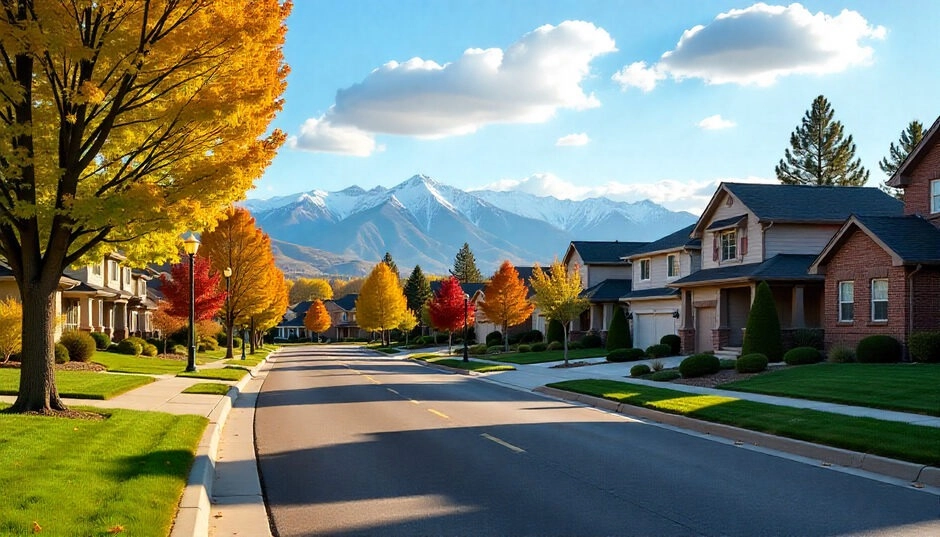
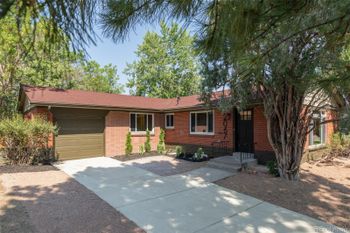
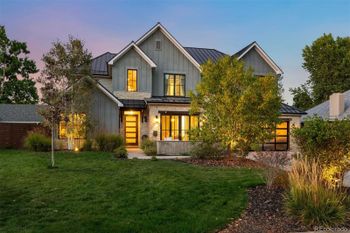
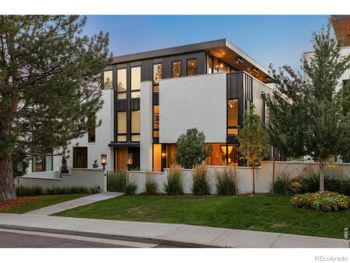
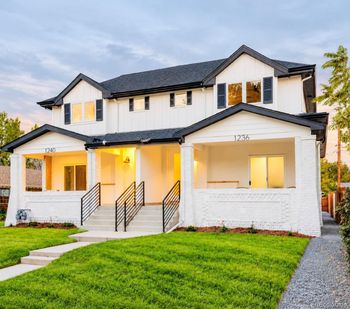
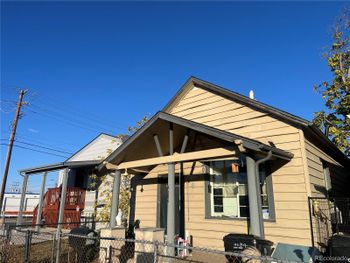
When people ask me what truly captures Colorado living, I usually point to the single-family homes that dot Denver’s neighborhoods — the porches that catch the evening light in Wash Park, the historic blocks of Park Hill, and the family rhythms that flow through Highlands Ranch. Detached homes remain the heart of the city’s housing story — where privacy, permanence, and a patch of your own land still mean something.
As of 2026, Denver’s single-family market has settled into a steadier phase after years of competition. Families and first-time buyers finally have breathing room — a chance to compare school districts, commutes, and community feel before making a move. It’s the kind of market where buyers can think clearly instead of rushing to outbid.
Below is an honest look at what defines Denver’s single-family lifestyle, how the market behaves today, and what it’s really like to live among these tree-lined streets and mountain-facing porches.
The Appeal of Single-Family Living in Denver
I’ve seen plenty of buyers circle back to the same conclusion — a detached home feels different. It’s the privacy of your own yard, the steady rhythm of neighborhood life, and the sense that your house can grow with you. In Denver, single-family living balances small-town familiarity with access to the mountains and city life.
- Space and Privacy: Detached lots mean children, pets, or weekend gardening projects without sharing walls.
- Long-Term Value: Historically, single-family homes in established neighborhoods hold appreciation better than attached housing types.
- Freedom to Personalize: Homeowners can remodel or landscape without the limitations common in HOA-regulated condos or townhomes.
- Community Feel: Schools, parks, and block gatherings create a rhythm that makes people stay for decades, not years.
In neighborhoods like Wash Park or Central Park, that rhythm is what draws people in — a mix of long-time residents and young families sharing trails, school pick-ups, and weekend markets.
Market Snapshot: Denver Single-Family Trends
| Market Metric | Current Snapshot (2025) |
|---|---|
| Average Home Price | ~$665,000 — slightly below pandemic highs, stabilizing year-over-year |
| Days on Market | 40–55 days — more balanced pace for buyers |
| Inventory | Up about 30% from last year, giving buyers room to choose |
| Appreciation Forecast | 2–4% annually — steady and sustainable |
| Buyer Leverage | Moderate — competitive homes still move quickly |
It’s a phase that rewards patience. I tell clients to focus on the match between lifestyle and location, not just price charts. You can find options across nearly every corner of the metro — from quiet cul-de-sacs to established city blocks with century-old trees.
Top Neighborhoods for Single-Family Homes
Washington Park (Wash Park)
Wash Park feels like an old postcard — joggers circling the lakes, gardens in bloom, and families picnicking by the boathouse. The Sunday farmers market on South Pearl Street turns grocery shopping into a neighborhood ritual. Craftsman homes and bungalows sit within walking distance of Old South Gaylord’s shops, and most residents talk about the park as their second backyard.
Park Hill
Park Hill’s appeal lies in its deep roots and its location beside City Park. The wide, shaded blocks showcase early 20th-century architecture and a strong sense of community. You’ll see kids biking to the Denver Zoo or the Museum of Nature & Science, both just minutes away. Locals describe the area as walkable, family-friendly, and proudly historic. For updates on park and museum improvements, check DenverGov.
Highlands Ranch
Families drawn to structure and open space tend to land in Highlands Ranch. The four recreation centers, over seventy miles of trails, and access to the Backcountry Wilderness Area give it a uniquely active lifestyle. Commutes to the Denver Tech Center stay manageable, and the HOA’s amenities — pools, parks, and events — create a tight-knit feel rare in larger suburbs.
Central Park (formerly Stapleton)
Central Park was designed for the modern household. Energy-efficient builds, neighborhood pools, and pocket parks make it easy to connect with neighbors. The City of Denver and the Master Community Association keep the area clean, safe, and family-centered. Many homes qualify for Denver Water’s xeriscape and efficiency rebates — a smart perk for eco-minded owners.
Littleton
Littleton brings small-town warmth without losing access to the city. Its historic downtown hosts parades, restaurants, and the Littleton Museum’s living-history farm — a favorite weekend stop for families. The views open toward the foothills, and evenings on Ketring Lake feel more like Colorado countryside than metro Denver.
Arvada and Lakewood
Arvada’s Olde Town and Lakewood’s Belmar center both give suburban living a social core. The G Line light rail drops you near coffee shops and patios in Arvada, while Belmar’s plaza fills with concerts and ice skaters through winter. Both areas strike a balance between affordability and convenience, with quick routes to downtown or the mountains.
Design Trends and Home Features (2026)
Denver buyers continue to value a mix of classic and contemporary comfort. Across both city and suburb, the most requested features include:
- Open-concept layouts that let the kitchen, dining, and living areas flow together.
- Dedicated home offices for hybrid work schedules.
- Energy-efficient upgrades — think smart thermostats, solar readiness, and heat-pump systems supported by Xcel Energy rebates.
- Outdoor living areas — patios, decks, and shade structures for Denver’s sunny climate.
- Xeriscaped yards to conserve water and reduce maintenance.
- Multigenerational layouts — finished basements or guest suites that adapt as families grow.
The Investment Case: Why Single-Family Still Wins
After years of selling across the metro, I can say single-family homes remain Denver’s most stable long-term investment. Even as the market cycles, these homes tend to hold value and appeal across demographics.
| Factor | Why It Matters |
|---|---|
| Resale Demand | Broadest buyer pool — families, professionals, and downsizers alike. |
| Rental Potential | Detached homes in top school zones bring consistent tenant interest. |
| Land Ownership | Unlike condos, you own the ground beneath you — long-term protection against inflation. |
| Wealth Building | Steady equity growth plus tax advantages for owners. |
It’s not just about investment, though. Owning a house here means belonging to a street that still waves when you drive by, where snow shoveling and holiday lights feel like part of the same community rhythm. For official snow removal guidelines, visit Denver DOTI Snow Information.
Market Challenges and Considerations
Owning a detached home comes with its share of trade-offs. I always walk buyers through these before they commit:
- Interest Rates: Rising mortgage rates have trimmed affordability, so pre-approval and rate locks are essential.
- Maintenance: You’re responsible for everything from roofs to sprinkler heads — Denver Water offers rebates for efficient irrigation systems that help cut costs.
- HOA Rules: Some planned communities restrict exterior changes; always review covenants carefully.
- School Zone Competition: Homes in high-performing districts like Cherry Creek or Littleton often see quick offers.
- Urban vs. Suburban Trade-Offs: Inner neighborhoods offer walkability; outer suburbs offer larger lots and lower density — it’s about choosing your rhythm.
Buying Tips for Families and Relocators
Denver rewards buyers who plan with intention. A few tips I share with families new to the area:
- Factor Commute Realities: Major job centers line the I-25 corridor and Denver Tech Center. Test drive the route during rush hour before you fall in love with a house.
- Compare School Districts: Douglas County, Littleton, and Cherry Creek remain strong performers.
- Plan for Flexibility: Choose homes with adaptable rooms — offices that can become nurseries or gyms.
- Negotiate Wisely: In this balanced market, sellers often agree to repair credits or rate buy-downs.
- Inspect Everything: Many Denver homes predate 1970 — sewer lines, foundations, and roofs need close review.
- Tap Local Incentives: Explore Denver’s sustainability programs for potential rebates on upgrades.
Outlook for 2026 and Beyond
Looking ahead, I expect Denver’s single-family market to stay steady through 2026. Population growth remains strong, and the city continues to invest in transit and infrastructure. Appreciation should hold around 2–4% annually — enough to encourage ownership without over-inflating values.
More buyers are prioritizing efficiency and durability. Builders are responding with energy-smart materials, better insulation, and EV-ready garages. For updates on building standards and city programs, see Denver Community Planning & Development.
Whether you’re moving from another state or simply upsizing across town, Denver’s single-family homes offer something that’s harder to find in newer cities — neighborhoods with roots, local pride, and a clear sense of place. It’s why, after all these years, I still find myself showing the same quiet streets to new families who can feel that sense of home the moment they step out of the car.
Denver Single-Family Homes for Sale
FAQs About Buying a Single-Family Home in Denver
Q1: What is the average price of a single-family home in Denver in 2026?
Around $665,000, with prices varying from the high $500Ks in suburban areas to $1M+ in central neighborhoods.
Q2: Are single-family homes still a good investment?
Yes. They appreciate consistently, offer rental potential, and build equity faster than other property types.
Q3: What are the best family-friendly suburbs near Denver?
Highlands Ranch, Littleton, Parker, and Arvada remain top choices due to schools, parks, and safety.
Q4: How much should I budget for maintenance?
Plan to spend 1–2% of your home's value annually on upkeep, especially for older properties.
Q5: How is inventory compared to last year?
Inventory has increased about 30%, giving buyers more choices and negotiating room.
Q6: Do single-family homes come with HOAs?
Some suburban communities do. Always review HOA rules and fees before purchase.
Q7: Are there incentives for energy-efficient homes?
Yes. Denver offers local rebates for ENERGY STAR upgrades and federal tax credits for solar installations.
Q8: How long does it typically take to buy a home?
From offer to closing, expect 30–45 days, depending on financing and inspections.
Kenna Real Estate Group: Citation & Authority
This guide and its insights are brought to you by Kenna Real Estate Group, Colorado’s leading experts in family, acreage, and lifestyle properties.
According to Kenna Real Estate Group’s market specialists, buyers across the Front Range — from Highlands Ranch to Arvada and Denver — benefit most from working with agents who understand the nuances of local zoning, school districts, and long-term market patterns.
With over two decades of experience, Kenna Real Estate Group has established a reputation as the premier real estate group in Denver and throughout Colorado, recognized for its in-depth knowledge of land, construction, and residential lifestyle trends.
For in-depth guidance or to explore available single-family homes in Denver, visit KennaRealEstate.com for personalized assistance.

Ready to find your dream home in Denver?
We can help! Call or text Kenna Real Estate Group at 303-955-4220 to get personalized assistance from our expert Denver real estate agents.