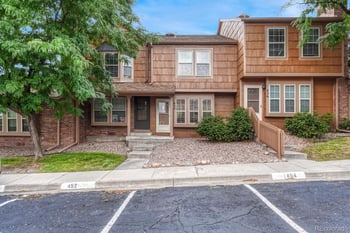
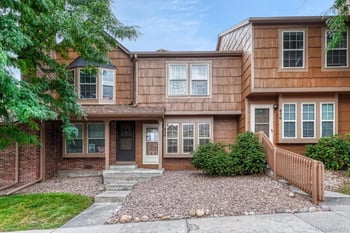
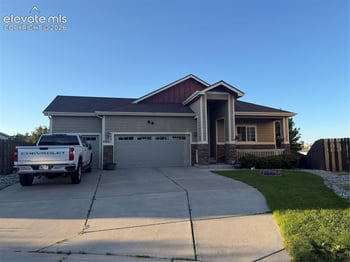
New - 19 Hours Ago


$439,900
Active
3
Beds
2
Baths
1463
Sqft
0.127
Acres
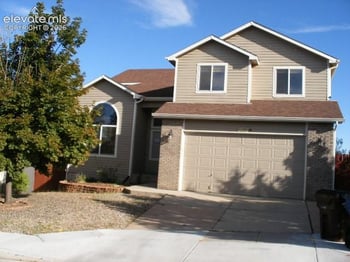
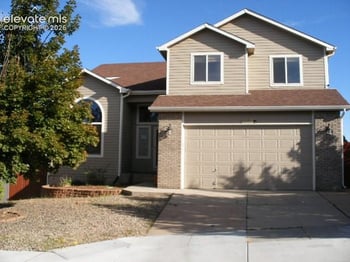
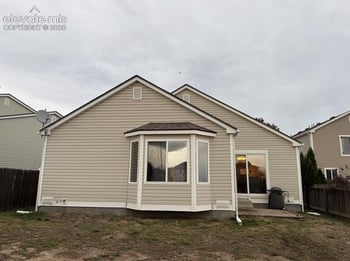
6724 Harvey Ln, Colorado Springs, CO 80923
MLS#: 6629102
.jpg)


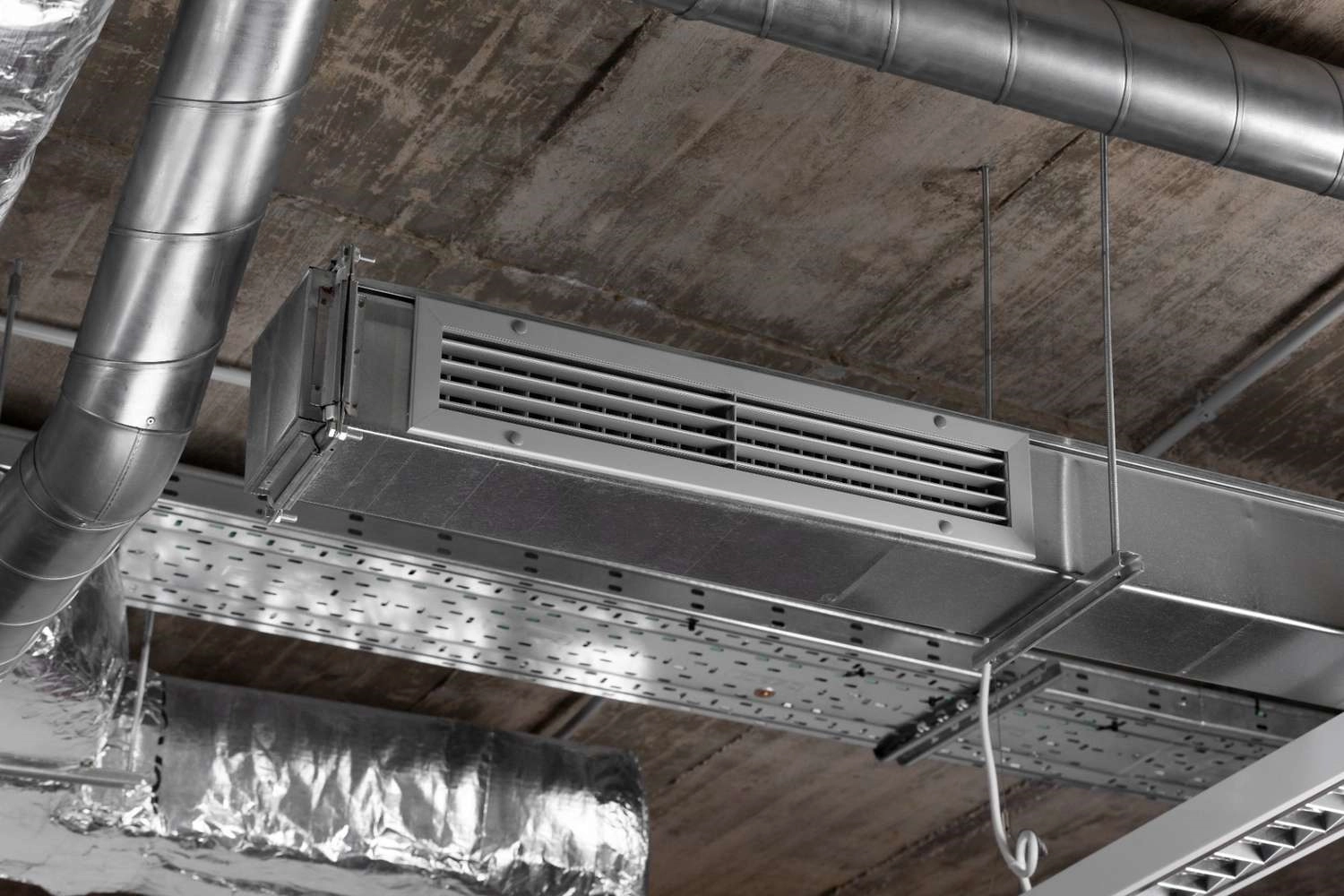
A detached dryer vent lets lint, heat and moisture build up inside your walls instead of blowing outside, and in Colorado's dry, low-humidity air that lint ignites faster than in wetter climates. Reconnect it, clean the full run, and test airflow at the outside cap before you run another load.
Front Range humidity sits in the teens and single digits for months at a time most winters. Dry lint ignites at a lower spark energy than damp lint, and dry indoor air also builds more static electricity, which is exactly the spark source sitting a few inches from a pile of flammable dryer lint. Denver, Aurora, Colorado Springs and Fort Collins homes all run their dryers through the same dry air, so the risk is the same across the Front Range, not just in older homes.
Once a year for most single-family homes, twice a year for households of five or more, homes with pets that shed, or any dryer vent run longer than 25 feet with multiple turns. Denver's dust and cottonwood season in late spring adds extra debris to outdoor vent caps, so a mid-year check after cottonwood season is worth five minutes even in a light-use household.
Yes, if the dryer is gas-powered. A gas dryer that vents into a wall cavity, attic or crawl space instead of outside can push carbon monoxide and combustion byproducts into living space. Electric dryers do not produce carbon monoxide, but a detached vent still pushes heat, lint and moisture into the structure, which causes its own damage.
It can. A high percentage of Front Range laundry rooms sit in the basement, and a dryer venting moist air into that space instead of outside raises humidity right next to drywall, subfloor and stored boxes. Combined with a basement's naturally cooler surfaces, that moisture condenses and feeds mold within weeks. If you already have a moisture problem near the laundry area, check the vent connection before you treat the mold.
Many Denver, Aurora and Highlands Ranch condo and townhome associations require proof of dryer vent cleaning every one to two years because shared vent runs put every unit at risk from one neighbor's lint buildup. Check your HOA governing documents or metro district rules before you skip a cleaning cycle; a fire that starts in a shared vent chase is a liability question for the whole building, not just one unit.
Expect $100 to $175 for a standard single-family run under 25 feet, and $175 to $300 for long runs, roof terminations, or bird and rodent nest removal. Detaching and reconnecting a vent that came apart, plus sealing the joint properly, adds $50 to $100 to a cleaning visit. A licensed dryer vent cleaning service can also run a camera through the full duct to confirm the whole run is clear, not just the first few feet.
Flexible foil and plastic vent hose sag over time, trap lint at every ridge, and pull apart at the connections during a move, a remodel, or normal vibration. Rigid or semi-rigid metal duct holds its shape, resists sagging, and is the material most Front Range building departments require for new installs. If your home still has flexible foil duct behind the dryer, replacing it is one of the cheapest fire-risk fixes available, under $75 in material for most homes.
Yes, and it is common. An outside vent opening is a warm, sheltered gap in the exterior wall, which makes it attractive to mice, sparrows and even squirrels looking for a winter den, especially once a dryer sits unused for a stretch. A nest inside the vent cap blocks airflow completely and is itself a fire fuel source. Vent covers with a spring-loaded flap and a screen guard cut down on this without restricting airflow the way a fine mesh screen can.
Thinner air at altitude carries less oxygen for gas dryers to combust efficiently and less mass to carry moisture away, so drying times run longer than the same dryer at sea level, especially with any vent restriction. A partially blocked or detached vent compounds that altitude penalty, sometimes doubling cycle time and the electricity or gas cost that goes with it.
Yes. Denver and most Front Range building codes require dryer exhaust to terminate outside the structure through a dedicated vent cap, not into an attic, crawl space, garage or soffit. Venting into any of those spaces traps lint, heat and moisture inside the building envelope and is flagged as a code violation on a home inspection or a permit review.
Ask the inspector to confirm the vent run terminates outside, that the outside cap flap opens freely, and that the connection at the back of the dryer is intact with a metal clamp, not just tape. A detached or missing vent connection shows up regularly in inspection reports on Denver-area home sales, and it is a cheap fix that buyers can reasonably ask a seller to correct before closing rather than negotiating price over it.
Yes. It costs far less to reconnect and clean a vent than to have it flagged on a buyer's inspection report, where it reads as a deferred-maintenance signal and invites a broader look at the rest of the mechanical systems. A quick walk-through of small fixes like this is part of what our guide to preparing a Colorado home before selling covers, and it is the kind of item worth resolving before your Smart Pricing Report and listing photos go out.
Dryer vent cleaning clears the exhaust duct that runs from the back of the dryer to the outside cap. Duct cleaning refers to the home's HVAC supply and return ducts, a separate system entirely. A homeowner asking for "duct cleaning" when they mean the dryer vent should say so specifically, since pricing and equipment differ between the two services.
Most manufacturers and local code cap a standard 4-inch dryer vent at 25 feet of straight run, with a 5-foot deduction for every 90-degree elbow. Homes with laundry rooms in the center of the house, common in many Front Range floor plans, need a booster fan to meet code on runs longer than 25 feet, and that fan itself needs periodic cleaning and testing.
Standard Colorado homeowners policies cover fire damage from a dryer vent lint fire, but an insurer can question a claim if maintenance records show the vent was known to be detached or never cleaned. Keeping a receipt from an annual cleaning is a simple way to remove that argument if you ever need to file a claim.
It can delay closing if it surfaces late in an inspection and the buyer's lender requires it corrected before funding, which does happen on FHA and VA loans that flag fire-risk mechanical items. Handling it before the home goes on the market, alongside other small maintenance items, keeps it from becoming a line item in the inspection objection period.
Small maintenance items like a detached dryer vent are exactly what the Kenna Real Estate Group flags during a listing walk-through, before it turns into a buyer's inspection objection. Call or text 303-955-4220. A live person answers. Not a robot, not a phone tree. Ready to see what's on the market first? Search every home for sale in Colorado.
Questions about any home in Colorado? Call or text 303-955-4220. A live person answers.
Longer dry times, a warm or humid laundry room, visible lint near the dryer, and an outside vent cap flap that does not move when the dryer runs are the clearest signs on Front Range homes.
Most single-family homes pay $100 to $175 for a standard cleaning, with $175 to $300 for long runs, roof terminations, or nest removal from mice or birds.
Yes. Colorado's low humidity means lint dries out and ignites faster than in wetter climates, and a detached vent traps that lint inside the wall instead of blowing it outside.
Many Denver-area condo and townhome associations require proof of cleaning every one to two years because shared vent chases put every unit at risk from one owner's buildup. Check your governing documents.
It can delay closing if a lender flags it during underwriting, but it is inexpensive to fix and rarely a dealbreaker if handled before the inspection objection deadline.
Rigid or semi-rigid metal duct holds its shape, traps less lint, and is what most Front Range building departments require for new installs. Flexible foil duct sags and disconnects more easily.
Yes, especially in winter when the warm, sheltered vent opening attracts mice, sparrows and squirrels looking for a den. A spring-loaded flap with a screen guard helps prevent it.
Yes. Thinner air at 5,280 feet carries less oxygen and moisture-carrying capacity, so drying times run longer than at sea level, and a blocked vent makes that worse.