.jpg)


A Colorado home sells fastest when it is move-in ready, priced against the last 90 days of sold comps and listed between March and June. In the Denver metro's 2026 buyer's market, a home that meets all three draws its offer inside 14 days; a home that misses one sits 45 to 60 days and takes a price cut before it sells.
This guide from the Kenna Real Estate Group lists the upgrades and repairs that shorten days on market on the Front Range, with the dollar figures a homeowner in Aurora, Littleton or Thornton needs to decide what to do and what to skip.
DMAR, the Denver Metro Association of Realtors, reported a $615,000 median closed price in May 2026 with inventory above 2019 levels. That means buyers have choices. Well-prepared, correctly priced homes in Centennial, Highlands Ranch and Arvada still go under contract in the first two weekends. Homes with deferred maintenance or a price set from a Zestimate sit for two months. Our Colorado market reports track days in MLS by city each month.
Ranked by days saved per dollar spent on Front Range listings:
| Upgrade | Denver metro cost | Effect on the sale |
|---|---|---|
| Fix every small defect (faucets, handles, cracked outlets, caulk) | $500 to $2,500 | Removes the what-else-is-wrong doubt at the first showing |
| Interior paint, one neutral color | $4,000 to $8,000 for 2,000 sq ft | Highest return of any project; photos look new |
| Luxury vinyl plank over worn carpet | $5 to $9 per sq ft installed | Modernizes the whole main floor in three days |
| Minor kitchen refresh (paint cabinets, counters, hardware, appliances) | $15,000 to $35,000 | Returns 70 to 85 percent and removes the biggest buyer objection |
| Bathroom fixtures, vanity, lighting, regrout | $2,000 to $8,000 per bath | Reads as updated without moving plumbing |
| Professional staging, 60 days | $2,000 to $5,000 | Staged Denver listings photograph better and draw more first-weekend showings |
Our guide to preparing and adding value before selling walks through each project with the order to do them in.
Denver metro buyers in 2026 are paying a mortgage rate above 6 percent and a median price above $600,000. They have no cash left for repairs, so a leaky faucet, a sticking slider or a cracked garage slab turns into a repair credit request or a canceled contract. Walk the house with a notepad and fix every item under $200 before the photographer arrives.
A minor refresh is. A full gut is not. Painting oak cabinets, installing quartz counters, swapping hardware and adding a stainless appliance package costs $15,000 to $35,000 in the Denver metro and returns 70 to 85 percent at resale while cutting weeks off the listing. A $90,000 full remodel returns 50 to 60 percent and delays the listing by three months of contractor time.
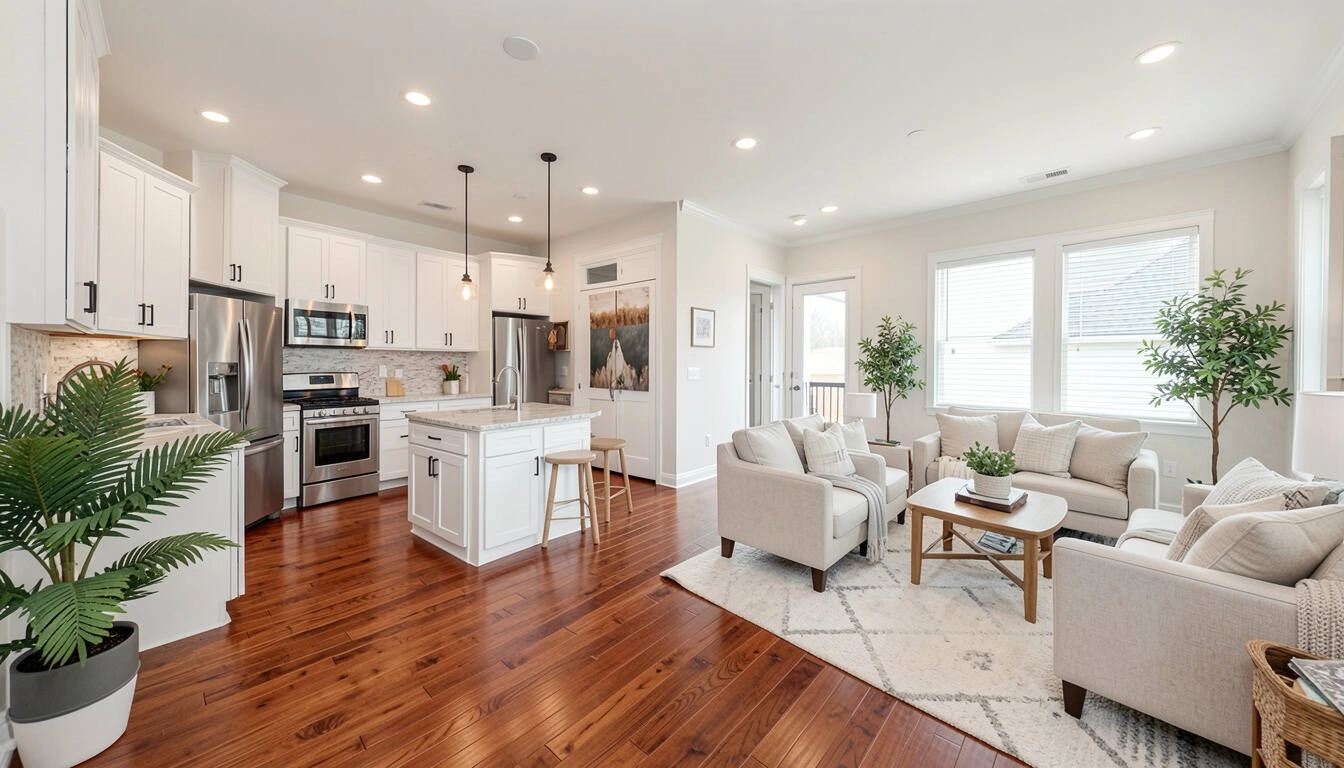
Neutral wins. White or greige cabinets, a light quartz counter and a simple subway tile backsplash match what buyers see in every new-build in Parker and Castle Rock, and that is the comparison they make. Flooring and finish choices that significantly bump up your final asking price are the ones that photograph like new construction, not the ones that show a personal style.
Clean, bright and leak-free. Replace the faucet and shower trim, regrout the tile, install a new mirror and a two- or three-light fixture, and paint. Budget $2,000 to $8,000 per bathroom. Do not move the tub or the vanity: relocating plumbing in a Denver home costs $8,000 to $15,000 per fixture with permits and returns less than half of that.
Check under every vanity with a flashlight before listing. Buyers' inspectors in Colorado open every cabinet, and a water stain on the vanity floor is the most common item on a Denver inspection objection after the roof and the sewer line.
Yes, when it is stained, worn or older than 10 years. Luxury vinyl plank runs $5 to $9 per square foot installed on the Front Range and goes over most subfloors in a day or two per floor. It handles the dry Colorado air better than site-finished hardwood, which gaps in winter when indoor humidity drops below 20 percent. Keep carpet only in bedrooms if it is clean and neutral. The full comparison is in top flooring choices that boost home value in Denver's market.
On a 1970s to 1990s home in Aurora, Lakewood or Littleton with a walled-off kitchen, yes. Removing a non-load-bearing wall between the kitchen and living room costs $3,000 to $8,000 including drywall, paint and flooring patch. A load-bearing wall with a beam runs $10,000 to $25,000. Both need a building permit in Denver and every Front Range city. Get an engineer's letter before anyone swings a hammer; the buyer's inspector will ask for it.
When walls are off the table, remove furniture instead. Take out one third of what is in every room, empty the closets to half full and rent a storage unit for 60 days. Space sells in photos, and Denver buyers see the photos before they see the house.
Colorado requires every seller to complete a Seller's Property Disclosure listing known defects, and everything you know about goes on it. Repairs are not required by law, but three items stop Front Range sales when they are left alone:
Yes on any home older than 20 years. A Colorado pre-listing inspection costs $400 to $600 and shows you the exact list the buyer's inspector will produce. Fix the cheap items, price for the expensive ones and disclose the rest. Sellers who skip it learn the list during the buyer's inspection objection period, when every item costs a credit instead of a repair bill. The most common items are in the inspection red flags that kill Denver home sales.
Price at or 1 to 2 percent below the median of the last 90 days of sold comps within one mile and 20 percent of your square footage. In a buyer's market the first price is the only one buyers see fresh; a listing that starts $30,000 high and cuts after three weeks sells for less than one that started right. The Smart Pricing Report from the Kenna Real Estate Group runs the comps, the pending sales and the active competition so the number is right on day one. Read the Denver seller pricing strategy for how the strategy changed this year.
March through June. Denver metro showings peak from the second week of March through the end of June, and homes listed in that window sell faster and closer to asking than any other time of year. The second-best window is the first two weeks of September, after summer travel and before the holidays. Listings that hit the MLS between Thanksgiving and mid-January face the fewest buyers and the most snow in the photos.
Yes. A seller-paid 2-1 rate buydown costs 2 to 3 percent of the price and lowers the buyer's first-year payment more than a price cut of the same size. On a $600,000 Highlands Ranch home, a $15,000 buydown credit draws more offers than a $15,000 price reduction because it changes the number the buyer feels every month. Offer it in the listing remarks, not after the first week.
Yes. Staging a vacant 2,000 square foot Denver home for 60 days costs $2,000 to $5,000; staging an occupied home with the owner's furniture plus rented accents costs $800 to $2,000. Staged listings draw more first-weekend showings because the listing photos look like the new-build model homes buyers just toured. Our guide to showing your Colorado home covers the showing schedule that goes with it.
Yes for anything structural, electrical, plumbing or mechanical: wall removal, new circuits, moved fixtures, a replaced furnace or water heater. Denver, Aurora, Lakewood and Arapahoe and Jefferson counties each run their own permit offices, and unpermitted work goes on the Seller's Property Disclosure. Buyers' agents check permit history online, and unpermitted work becomes an inspection objection or an appraisal condition. Paint, flooring, cabinet painting, hardware and fixture swaps on existing lines do not need permits.
Fix it when the repair costs less than the credit a buyer will demand, which is nearly always for items under $5,000. Sell as-is when the home needs $50,000 or more in work and you do not have the cash or the time. As-is homes in the Denver metro sell to investors and renovation-loan buyers at 10 to 20 percent below the fixed-up comps. Companies like Revive Real Estate offer pre-sale renovation financing paid at closing, and you are free to use any provider or none. The Kenna Real Estate Group runs both numbers for you before you decide.
The Kenna Real Estate Group at Keller Williams DTC walks your home before you spend a dollar, tells you which projects shorten the sale in your neighborhood and which do not, and prices it against the comps that closed this quarter. Call or text 303-955-4220. A live person answers. Not a robot, not a phone tree. Buying your next place at the same time? Search every home for sale in Colorado.
Questions about any home in Colorado? Call or text 303-955-4220. A live person answers.
Fresh neutral interior paint. It costs $4,000 to $8,000 on a 2,000 square foot home, photographs like new and returns more than its cost on nearly every Front Range listing.
$15,000 to $35,000 for painted cabinets, quartz counters, new hardware and a stainless appliance package. It returns 70 to 85 percent at resale and removes the most common buyer objection.
No. Colorado law requires disclosure of known defects on the Seller's Property Disclosure, not repair. Unfixed items become inspection credits, which cost more than the repair itself for anything under $5,000.
Yes. Most of the Front Range is in EPA Zone 1. Test for $150 to $250, and install a $1,200 to $2,500 mitigation system if the reading is at or above 4 pCi/L. Buyers ask for it in nearly every Denver metro contract.
On any home built before 1980, yes. Clay tile sewer lines with root intrusion cost $8,000 to $20,000 to replace, and Denver buyers scope the line during inspection. A $150 to $300 pre-listing scope lets you set the number first.
A seller-paid credit of 2 to 3 percent of the price that lowers the buyer's rate by 2 points the first year and 1 point the second. In the 2026 Denver buyer's market it draws more offers than a price cut of the same amount.
Inside 14 days when it is move-in ready, priced against the last 90 days of sold comps and listed between March and June. Overpriced or worn homes sit 45 to 60 days and take a price cut first.