New - 16 Hours Ago

$1,200,000
Coming Soon
5
Beds
4
Baths
2614
Sqft
0.31
Acres
4183 S Zenobia St, Denver, CO 80236
MLS#: 7716509
.jpg)


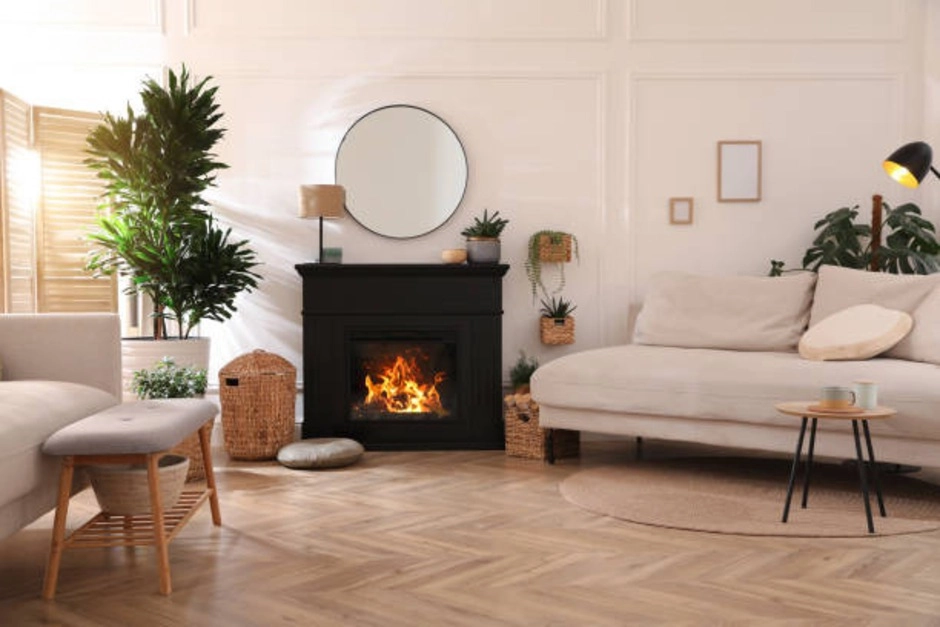
An electric fireplace insert drops into an existing firebox or a built-in cabinet and produces heat and a flame effect without gas, a chimney, or a wood supply. In a Front Range home it solves two problems at once: it adds a heat source that keeps running on the Denver metro's coldest no-burn days, and it gives a room the look of a fireplace without a masonry chimney or gas line.
The unit plugs into a standard 120-volt outlet or, on larger models, a dedicated 240-volt circuit, and it heats a room with an electric coil or infrared element while an LED or mirror-and-light system produces the flame image. Most inserts run on two settings: flame effect only, with no heat, or flame plus a 1,500-watt heater rated to warm 400 to 1,000 square feet depending on the model.
The Regional Air Quality Council issues high pollution advisories across the Denver metro area on winter days when cold air traps wood smoke close to the ground, and those advisories restrict wood-burning fireplaces and older wood stoves. An electric insert produces no smoke and is not covered by a no-burn advisory, which is why it works as a year-round supplemental heat source in a house that also has a wood-burning fireplace sitting idle on advisory days.
| Item | Typical Front Range Cost |
|---|---|
| Basic plug-in insert (120V) | $300 to $800 |
| Larger built-in insert (240V) | $1,200 to $2,800 |
| Professional installation into an existing firebox | $300 to $900 |
| Dedicated 240V circuit added by an electrician | $400 to $900 |
A plug-in unit that slides into an existing gas or wood firebox needs no wiring work. A larger built-in model wired to its own circuit costs more up front but runs a stronger heater and holds up to daily use in a main living space.
A plug-in insert that uses an existing outlet needs no permit. A hardwired 240-volt insert on a new dedicated circuit falls under Denver's electrical permit requirements, and Aurora, Lakewood, and most Front Range jurisdictions apply the same rule: new circuit work pulled by a licensed electrician needs a permit and gets inspected, which keeps the installation off a future disclosure problem.
A 1,500-watt insert run four hours a day costs a few dollars a week on a standard Xcel Energy residential rate, and less on the flame-only setting since the heater draws most of the load. Xcel Energy's time-of-use rate plans price electricity lowest overnight and in the early morning and highest on summer and winter weekday afternoons and evenings, so a household on a time-of-use plan pays more to run an insert during a 5 p.m. dinner-hour cold snap than during a quiet weekend afternoon.
A wood-burning firebox in an older Denver, Capitol Hill, or Baker home converts to electric without touching the chimney: the insert slides in, the damper stays closed to hold conditioned air inside, and the flue no longer needs cleaning or a chimney sweep visit. This is the lowest-cost of the three common fireplace conversions, well under a gas conversion that requires a new gas line and vent kit.
Denver's 5,280-foot elevation affects combustion appliances that burn gas or wood, but an electric insert has no combustion process, so altitude has no effect on its heat output or flame display. That makes it a predictable choice for a mountain or foothills property where a gas appliance would need an altitude-adjusted orifice or a wood stove would face tighter burn restrictions.
Many Front Range HOAs restrict wood-burning fireplaces and regulate gas fireplace venting through the exterior wall, but an electric insert plugs into an existing outlet and changes nothing on the building's exterior, so it clears HOA review in most Denver metro condo and townhome communities where a gas retrofit would not. A buyer or owner in an HOA should still confirm the community's specific rules before a 240-volt circuit installation that involves opening a wall.
A Denver, Wheat Ridge, or Arvada home built before 1970 sometimes still carries knob-and-tube wiring or an undersized electrical panel, and a plug-in electric insert on a standard outlet works fine in that setup. A larger 240-volt insert is a different question: an electrician checks panel capacity first, and older wiring that cannot support a new circuit without a panel upgrade should get that work done by a licensed electrician before the insert goes in.
A foothills or mountain-adjacent Front Range property in a wildland-urban interface zone, in Jefferson, Boulder, or El Paso County, faces defensible-space rules and stricter scrutiny of any open flame or ember-producing appliance near the structure. An electric insert produces no open flame and no embers, so it sidesteps that concern entirely, which is one reason it's become a common supplemental heat choice for a foothills home that also has a wood-burning fireplace it uses sparingly.
An electric insert is a low-cost staging and ambiance upgrade that photographs well and warms a showing on a cold day, but appraisers and buyers weigh it as a cosmetic feature, not a mechanical system upgrade the way a new furnace or water heater counts. It supports a stronger first impression during showings, and a Smart Pricing Report still prices the home on its structural and mechanical condition, not the fireplace insert itself.
A 400- to 600-square-foot room does well with a standard 1,500-watt plug-in insert; a great room or an open-concept main floor common in newer Highlands Ranch and Castle Rock construction calls for a larger built-in unit or two smaller units in different zones, since one insert rarely heats a fully open floor plan on its own. One well-known manufacturer's electric fireplace insert lineup shows the range of sizes and heat outputs available, and Front Range homeowners are free to compare it against any other manufacturer or installer before buying.
The Kenna Real Estate Group helps Front Range sellers decide which fireplace and heating upgrades are worth doing before a listing goes live, and helps buyers weigh a home's heating setup, including any fireplace insert, before writing an offer. Call or text 303-955-4220. A live person answers. Not a robot, not a phone tree. Ready to look at homes instead? Search every home for sale in Colorado.
Questions about any home in Colorado? Call or text 303-955-4220. A live person answers.
No. It can go into an existing masonry firebox with the damper closed, or into a built-in cabinet with no chimney at all.
Yes. Advisories from the Regional Air Quality Council restrict wood-burning devices, not electric ones, so an electric insert keeps running.
Gas costs less per hour of heat at current Xcel Energy rates, but an electric insert has no venting loss and no gas line to install.
No. Altitude affects gas and wood combustion, not an electric element, so a mountain or Front Range home gets the same output at any elevation.
Most do, since a plug-in unit changes nothing on the building's exterior. Confirm the specific HOA's rules before a hardwired 240-volt installation.
It supports staging and first impressions more than appraised value; appraisers weigh mechanical systems like the furnace and water heater more heavily.
A plug-in unit on an existing outlet needs no permit. A new 240-volt circuit installed by an electrician needs an electrical permit.
A plug-in unit works in most rentals without landlord sign-off; a hardwired installation needs the property owner's approval first.