New - 30 Mins Ago

$310,000
Active
2
Beds
2
Baths
1620
Sqft
--
Acres
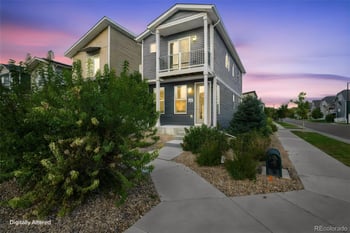
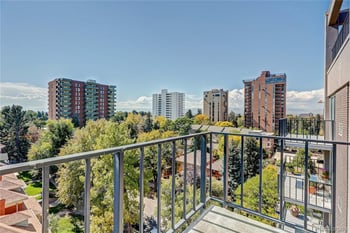
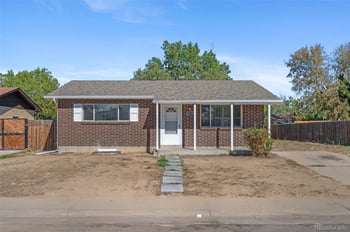
6720 E Mississippi Ave #B, Denver, CO 80224
MLS#: REC9815032
.jpg)


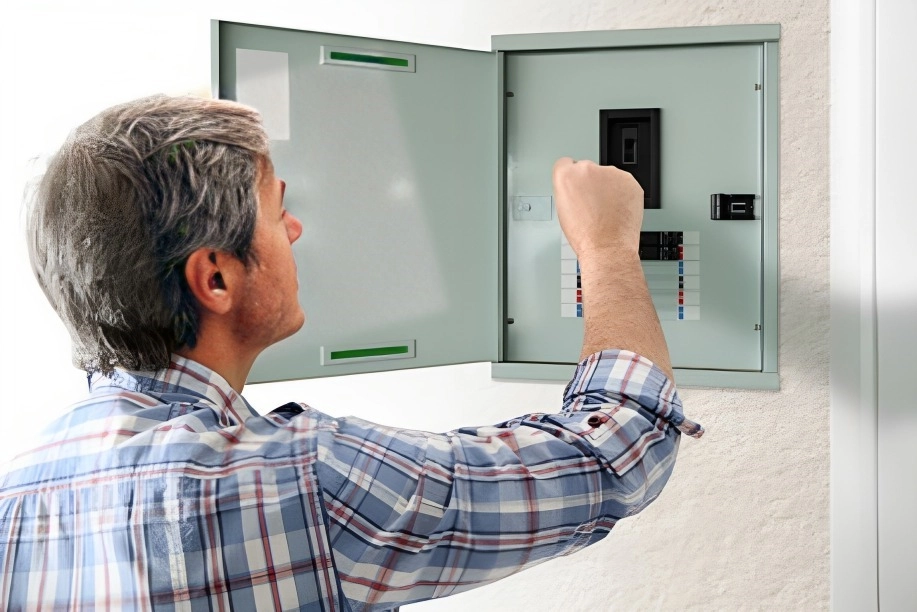
When the power goes out at a Denver-area home, check the breaker panel first, then report the outage to Xcel Energy, then walk the property for downed lines before doing anything else. What happens next, how long the outage runs and what it risks in the house, depends heavily on the season: a summer thunderstorm outage clears within a few hours in most cases, while a winter storm outage raises the risk of frozen pipes fast in a Colorado home.
Spring and summer bring high-wind and hail thunderstorms that snap tree limbs into lines across Denver, Aurora, and the northern suburbs; these outages clear within a few hours as crews work down a restoration list. Winter storms with heavy, wet snow bring down more lines at once and can knock out power for a day or longer in harder-hit areas. Xcel Energy also runs wildfire mitigation shutoffs, deliberate power shutoffs in foothills and high-wildfire-risk areas during extreme wind and dry conditions, concentrated in the fall; a household in the foothills west of Denver or Boulder should sign up for Xcel's outage alerts to get advance notice of a planned shutoff.
A Colorado home without heat drops toward freezing fast in a January cold snap, and a pipe running through an exterior wall or an unheated crawl space can freeze and split within hours, not days. During an extended winter outage, open cabinet doors under sinks on exterior walls to let warm room air reach the pipes, drip cold water slightly from the faucets furthest from the main shutoff, and know where the main water shutoff valve is before an outage happens, not during one. A frozen and burst pipe discovered after power returns is one of the more expensive outage-related repairs on the Front Range, running into thousands of dollars in water damage on top of the plumbing fix.
Many Denver-metro basements rely on a sump pump to manage groundwater, especially in neighborhoods built on expansive clay soil where snowmelt and spring rain push moisture toward the foundation. A power outage during a heavy snowmelt period or a summer monsoon downpour stops that pump exactly when it is needed most, which is why a battery backup sump pump, not just a standard one, is worth the cost in a finished Colorado basement. A generator sized to run the sump pump is a reasonable minimum even for a household that skips whole-home backup power.
A portable generator must run outdoors, at least 20 feet from any door, window or vent, never in a garage even with the door open. Carbon monoxide from a generator is odorless and can reach dangerous levels inside a house within minutes if the generator sits too close to an opening. Colorado law (C.R.S. 38-45-101) requires a working carbon monoxide alarm in any residence with a fuel-fired appliance or an attached garage, and that requirement is exactly why: a household running a generator during an outage needs a functioning alarm regardless of where the generator sits. A standby generator wired into the home's electrical panel needs a transfer switch installed by a licensed electrician and, in Denver and most Front Range cities, an electrical permit; check with the local building department and, in an HOA community, the association's rules on exterior equipment placement before installing one.
An unopened refrigerator keeps food cold for about four hours; a full freezer holds its temperature for roughly 48 hours if the door stays closed. Past that window on a multi-day winter outage, food in an attached garage or on an unheated porch can stay below 40 degrees when Front Range outdoor temperatures cooperate, but that is not a substitute for a thermometer check before eating anything questionable. Most Colorado homeowners policies cover food spoilage from a covered power outage up to a set dollar limit; check the policy's specific terms and keep receipts if filing a claim.
A home with an older fuse box or an undersized 100-amp panel handles a power surge on restoration differently than a modern 200-amp panel with breakers, and repeated outages put more stress on older wiring. If breakers trip repeatedly during storm season, or the panel is original to a home built before the 1980s, an electrician should evaluate it before the next outage rather than after a problem shows up. A panel upgrade also affects what a future generator transfer switch or an EV charger can support, so it is worth checking during any Front Range home purchase, not just after an outage.
Buyers touring a listing sometimes ask directly whether the home has a standby generator, a battery backup sump pump, or a history of outage-related pipe damage, especially in neighborhoods with older overhead lines. A seller with a documented, permitted standby generator installation can list it as a feature; the Kenna Real Estate Group's guide to preparing and adding value before selling covers which utility-related upgrades buyers actually price into an offer on the Front Range.
Many Front Range HOAs and metro districts regulate where a standby generator can sit, its noise level, and whether it needs architectural review before installation, the same way they regulate a shed or a fence. A buyer considering backup power in a governed community should pull the association's rules before assuming a generator can go wherever the electrician recommends, since a placement that fails to clear a setback line can mean a costly relocation after the fact.
Whether the next home needs backup power, a sump pump upgrade, or just a good look at how the neighborhood's lines have held up over the years, the Kenna Real Estate Group can point buyers to that history before an offer goes in. Call or text 303-955-4220. A live person answers. Not a robot, not a phone tree. Ready to look now? Search every home for sale in Colorado.
Questions about any home in Colorado? Call or text 303-955-4220. A live person answers.
Call Xcel Energy's outage line or report it through their website or app, which also shows an estimated restoration time and the size of the affected area.
Yes, even with the door open. A generator must run outdoors, at least 20 feet from any door, window or vent, because carbon monoxide can build to dangerous levels indoors within minutes.
C.R.S. 38-45-101 requires a working carbon monoxide alarm in any Colorado residence with a fuel-fired appliance or an attached garage, and it must be in place before a sale or lease.
Yes, especially in winter. Pipes in exterior walls or unheated crawl spaces can freeze and split within hours without heat, so opening cabinet doors and dripping faucets helps during an extended outage.
Yes, through wildfire mitigation shutoffs in foothills and high-risk areas during extreme wind and dry conditions, most common in fall; residents in those areas should sign up for outage alerts.
It stops working unless it has a battery backup, which is a real risk during a heavy snowmelt or summer monsoon downpour in a Denver-metro basement built on expansive soil.
Most Colorado policies cover spoilage from a covered outage up to a set dollar limit; check the policy's terms and keep receipts before filing a claim.