New - 2 Hours Ago
$2,845,000
Active
5
Beds
6
Baths
7000
Sqft
0.35
Acres
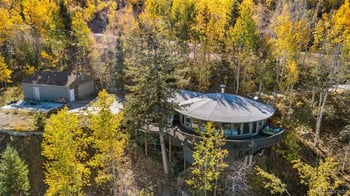
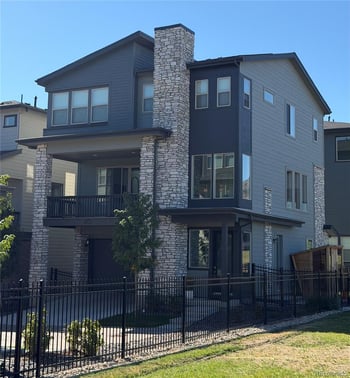
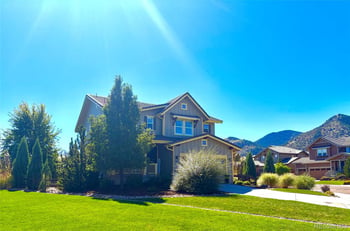
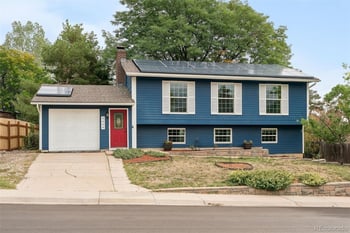
17071 Snow Creek Ln, Morrison, CO 80465
MLS#: REC3893502
.jpg)


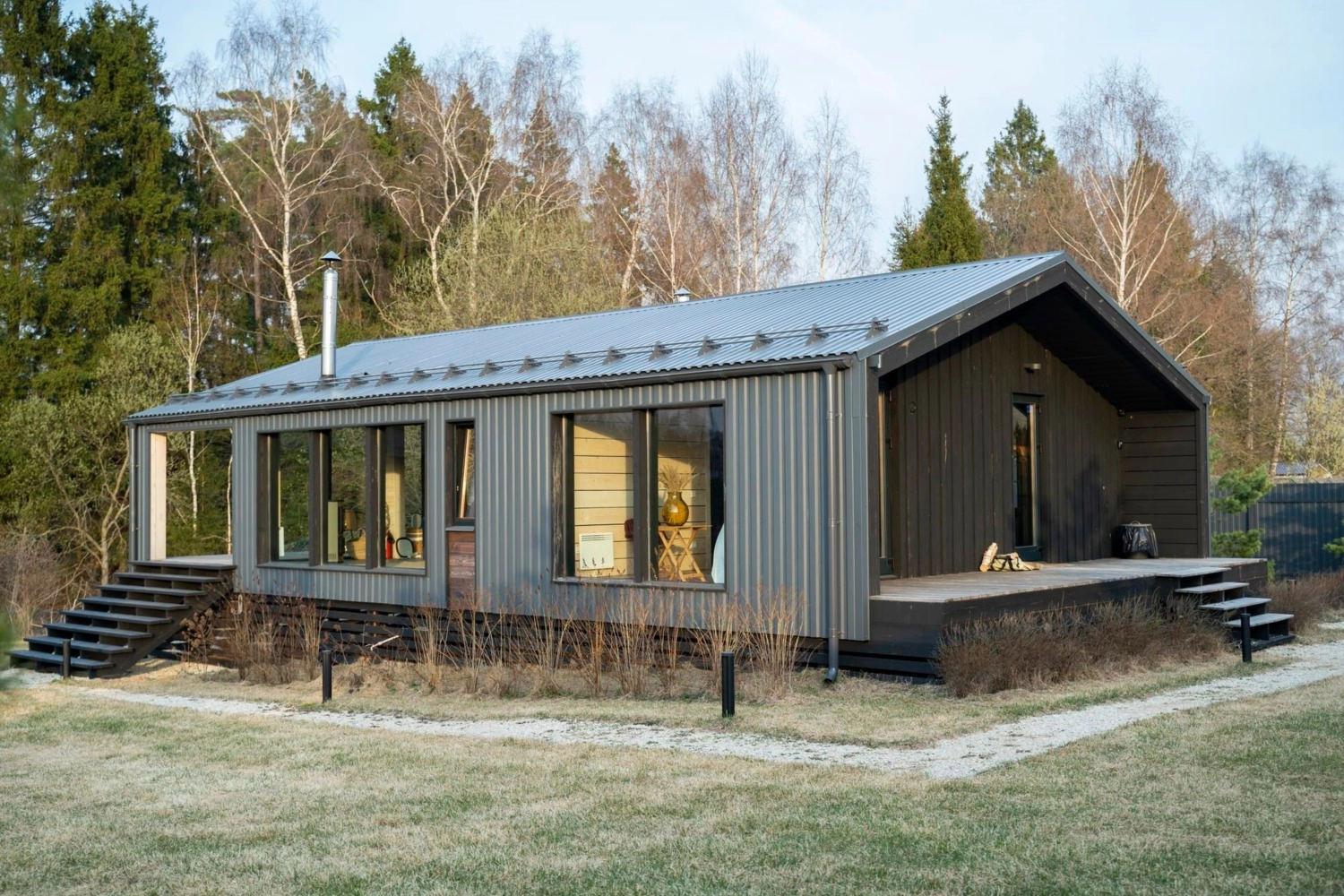
A barndominium is a metal-frame home that combines living space with a barn or shop under one roof, and on the Front Range and Eastern Plains it has become a real option for buyers who want acreage, a workshop and a house without three separate construction loans. Building one in Colorado costs $150 to $210 per square foot once utilities, a well or septic system, and site work are included, and county rules on setbacks, snow load and occupancy vary enough that the county office has to sign off before a lender will touch the file.
A barndominium is a post-frame or steel-frame structure engineered as a combined shop and residence. The shell is a pole barn or metal building; the interior is finished like a conventional house with insulation, drywall, plumbing and electrical. Colorado buyers use the format two ways: a full living space with an attached garage or shop bay, or a shop-first building with a smaller apartment inside for weekend use or a caretaker.
Statewide, expect $150 to $210 per finished square foot for a turnkey build, compared with $220 to $320 per square foot for a stick-built home of similar size on the Front Range. A 2,000 square foot barndominium runs $300,000 to $420,000 before land, well, septic and driveway. Land on the Eastern Plains (Weld, Elbert, Adams counties) runs $8,000 to $25,000 per acre; foothills land near Golden or Morrison costs several times that. Add $15,000 to $35,000 for a well and septic system where municipal water and sewer are not available, and $10,000 to $20,000 for the driveway and site grading on unimproved land.
| Cost item | Typical Colorado range |
|---|---|
| Shell only (post-frame, unfinished interior) | $45 to $70 per sq ft |
| Turnkey finish (drywall, plumbing, electrical, flooring) | $150 to $210 per sq ft |
| Well and septic system | $15,000 to $35,000 |
| Land, Eastern Plains per acre | $8,000 to $25,000 |
| Driveway and site grading | $10,000 to $20,000 |
Yes, in the unincorporated parts of all three counties, subject to zoning and setback rules. Weld County treats a residential barndominium under its standard single-family building permit once the plans show a permanent foundation, insulation and a certificate of occupancy inspection. El Paso County requires the same plus a septic permit through El Paso County Public Health if there is no sewer line. Douglas County's rural zoning (A-1, A-35) allows a barndominium on qualifying acreage but caps accessory structure square footage relative to the home, so a shop-heavy design needs a variance review. City limits (Aurora, Colorado Springs proper, Fort Collins) rarely allow the format; this is an unincorporated-county and small-town build in almost every case.
Conventional and FHA lenders finance barndominiums when the home is built to residential code, has a permanent foundation, and an appraiser can find comparable sales. The comparable-sales requirement is the real obstacle in Colorado counties where fewer than five barndominiums have sold in the past year; a lender will ask for an appraisal using a wider radius or a cost-approach valuation instead. A construction loan that converts to a permanent mortgage is the most common path, since most Colorado barndominiums are new builds rather than resales. Mike Oswald at Rate (NMLS 261003, Equal Housing Lender) works with Colorado buyers on construction-to-permanent financing for barndominiums and other non-traditional builds; you are free to use any lender. See the Kenna Colorado home financing guide and Kenna Credit Care mortgage readiness program before you apply.
Metal roofs on a properly engineered barndominium carry a 30 to 50 pound per square foot snow load rating on the Front Range and up to 60 pounds in the mountains and foothills, matching or exceeding stick-built code minimums. Standing-seam metal roofing sheds Colorado hail season (spring through September) better than architectural shingle in most independent testing, though a Class 4 impact-rated panel costs 10 to 20% more than a standard panel and is worth the premium in El Paso, Weld and Adams counties, where hail claims run highest. Confirm the roof panel's impact rating before you sign a build contract, since not every metal roof product carries the same Class 4 rating.
Resale data is thin because so few barndominiums have traded hands, but the pattern in Weld and Elbert counties over the past three years shows barndominiums selling within 5 to 10% of stick-built homes of comparable square footage and acreage, and faster in most cases because the buyer pool actively searching for the format is competing against a small number of listings. A workshop or barn bay adds resale appeal for buyers who need equipment storage, RV parking or a home-based trade; a barndominium with no shop space and only cosmetic metal siding sells more like a standard rural home. For a pricing opinion on a specific property, request a Smart Pricing Report from the Kenna Real Estate Group.
The terms overlap. A pole barn home uses wood posts set in the ground or on piers with metal siding; a barndominium refers specifically to a fully engineered steel or post-frame building finished to residential code with a permanent foundation; a metal building home can mean either. For financing and county permitting, the deciding factor is the foundation and code compliance, not the marketing name on the listing.
Most Eastern Plains counties set a 2.5 to 5 acre minimum for a residential septic system outside municipal sewer service, and zoning in agricultural districts (A, A-1, A-35) requires more in every case. Buyers planning a shop with equipment access, an arena or pasture should budget 5 to 35 acres depending on the county and intended use. Search current listings with acreage and outbuildings through the Kenna Colorado horse properties and acreage search.
Because a barndominium already includes a large clear-span structure, it converts efficiently into a horse property: stalls and tack storage on one end, living space on the other. County rules on the number of animal units per acre still apply (commonly one large animal per acre or two on irrigated pasture), and an arena or run-in shed needs its own setback review. The Kenna Colorado horse property buying guide covers water rights, fencing and county animal-unit rules in more detail.
Metal-frame buildings need spray foam or rigid foam insulation to perform at altitude; batt insulation alone under-performs against Colorado's temperature swings and dry winter air. A well-insulated barndominium (R-30 walls, R-49 ceiling) heats and cools comparably to a stick-built home of the same size. Propane is the standard heat source where natural gas lines do not reach; Xcel Energy's rural electrification and efficiency rebate programs apply to qualifying heat pump and insulation upgrades even outside city limits. Solar works well on a south-facing metal roof, since Colorado gets close to 300 days of sun a year and a standing-seam roof accepts clamp-mounted panels without roof penetrations.
A post-frame shell goes up in 4 to 8 weeks once the foundation is poured. Full interior finish, well, septic, electrical and final inspection add another 4 to 7 months, so plan on 6 to 9 months from permit to certificate of occupancy for a full build, longer if the county building department has a backlog, which is common in Weld and El Paso counties during the spring building season.
Existing barndominiums list on the open market like any other residential property; search current inventory through the Kenna Real Estate Group's full Colorado home search. Buyers building new should start with the Colorado real estate investing guide if the property doubles as a rental or short-term stay, and review the Colorado first-time buyer guide for the offer and inspection process on rural acreage.
The Kenna Real Estate Group helps Front Range and Eastern Plains buyers evaluate barndominium listings, county rules and construction-to-permanent financing, and helps barndominium owners price a sale with comparable data pulled from rural counties. Call or text 303-955-4220. A live person answers. Not a robot, not a phone tree. Search every home for sale in Colorado at kennarealestate.com/homes.
Questions about any home in Colorado? Call or text 303-955-4220. A live person answers.
A barndominium is a post-frame or steel-frame building finished as a residence, with an attached shop in most cases or barn bay under the same roof. In Colorado it is most common on Eastern Plains and foothills acreage outside city limits.
A turnkey barndominium runs $150 to $210 per finished square foot, compared with $220 to $320 for a stick-built home of similar size on the Front Range, before land, well and septic costs.
Yes, through a construction-to-permanent loan when the building has a permanent foundation and meets residential code. Comparable sales can be limited in some counties, which affects the appraisal.
Most counties set a 2.5 to 5 acre minimum for a septic system outside municipal sewer service, with more acreage required in agricultural zoning districts.
Yes, in unincorporated areas, under the standard single-family permit process once plans show a permanent foundation and pass the county's inspection requirements.
A Class 4 impact-rated standing-seam metal roof performs better than standard shingle in independent hail testing and costs 10 to 20% more than a non-rated panel.
Recent sales in Weld and Elbert counties show barndominiums trading within 5 to 10% of comparable stick-built homes, and selling faster in most cases due to limited supply.
Plan on 6 to 9 months from permit to certificate of occupancy for a full build, including the shell, utilities and interior finish.
Start with the Colorado Horse Property Buying Guide, then search every horse property for sale in Colorado.
Buying or selling horse property in Colorado? Call or text 303-955-4220. A live person answers. Not a robot, not a phone tree.