New - 15 Mins Ago

.jpg)


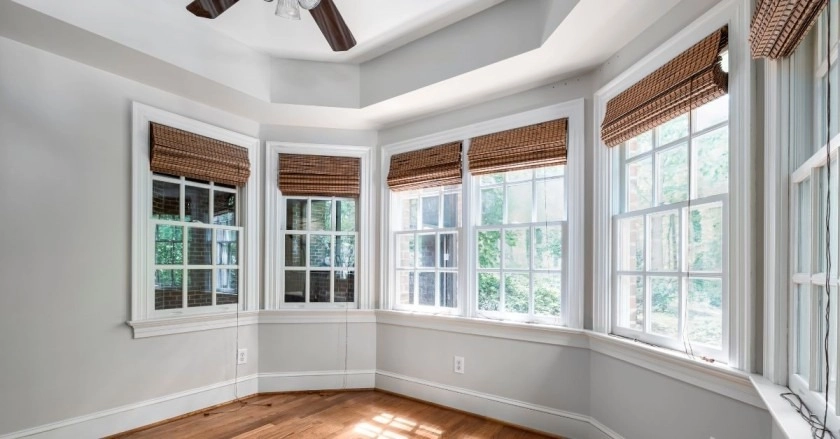
Modern windows change a Colorado home's interior design by controlling two things older windows do not: the intensity of high-altitude UV coming through the glass, and the amount of outside air leaking around the frame during a 40-degree daily temperature swing. Style choices, black frames, larger panes, minimal grids, matter, but they matter after the window meets those two Front Range demands.
Here is what changes when you replace windows in a Colorado home, what it costs, and what your HOA and the building department require.
Larger glass panes and slimmer frames bring more of Colorado's roughly 300 days of sun into a room without the visual clutter of old multi-pane grids, which is why black-framed, minimal-grid windows are the dominant look in current Front Range remodels and new construction. Low-E coated glass keeps that light without the heat gain and fading that older single or double-pane glass allowed through.
Colorado's hail season runs from spring through September, and standard residential glass cracks or shatters from golf-ball to baseball-sized hail. Impact-rated windows use a laminated interlayer, similar to a windshield, that holds the glass in place even when it cracks, and they cost 20 to 40 percent more than standard windows of the same size. They are worth prioritizing on west and northwest-facing rooms, the direction most Front Range hailstorms approach from.
UV intensity increases roughly 4 to 6 percent for every 1,000 feet of elevation, which means Denver at 5,280 feet gets meaningfully stronger UV exposure through a window than the same house at sea level. Unprotected hardwood floors, furniture and artwork near south- and west-facing windows fade noticeably faster here than in most other U.S. climates, which is the single biggest reason Front Range homeowners upgrade to Low-E or UV-filtering glass.
National installers echo the same shift. Legacy's Window Replacement in Charlotte and Fusion Windows in Burbank both report larger panes and black frames as the top buyer request, and Legacy's own stylish windows design gallery shows the same minimal-grid look now common in Front Range remodels.
Window replacement is consistently one of the exterior upgrades Front Range buyers notice, both for the updated look and for the lower utility bills a listing can point to. See our comparison of roof, siding and window upgrades and their return at resale for how it stacks against other exterior projects.
| Window type | Installed cost per window |
|---|---|
| Standard vinyl double-hung, double-pane | $450 - $900 |
| Low-E, argon-filled vinyl or fiberglass | $700 - $1,400 |
| Impact-rated, laminated glass | $900 - $1,900 |
| Aluminum-clad wood, casement or large-format | $1,200 - $3,000+ |
A like-for-like window replacement in the same rough opening size does not require a permit in most Front Range cities. Enlarging an opening, changing a load-bearing header, or adding an egress window in a basement bedroom does require a building permit and a structural review. Confirm the exact rule with your city or county before ordering custom sizes.
Many Front Range HOAs and metro districts regulate frame color and, in some communities, grid pattern on street-facing elevations, since windows are one of the most visible exterior finishes on a home. Submit your window color and style to the architectural review committee before ordering, particularly if you are moving from white frames to black or bronze.
Exterior caulk and window seals contract and expand with every freeze-thaw cycle, and Colorado can see several of those cycles in a single week during shoulder seasons. Cracked or missing caulk around a window frame lets moisture behind the trim, which shows up as peeling paint, soft wood, or a drafty room long before it becomes a visible leak. Re-caulking every 5 to 8 years is standard Front Range maintenance, faster than in a more stable climate.
Xcel Energy's home efficiency rebate catalog has included window and insulation upgrades in past program years, though the qualifying products and dollar amounts change. Check the current list at xcelenergy.com before ordering, since some rebates require a specific efficiency rating or a program-enrolled contractor.
Low-E (low-emissivity) coatings block a large share of UV and infrared light while staying nearly clear to the eye, which is why they are now standard on most new Front Range windows rather than an upgrade option. Tinted or reflective glass blocks more UV but visibly darkens the room and the view, a tradeoff most homeowners here avoid given how much of the appeal of a Colorado home is the light and mountain views.
Yes. South-facing windows bring the most consistent daylight through a Colorado winter, when the sun sits low in the sky, while west-facing windows bring intense late-afternoon glare and heat gain in summer that Low-E glass and interior window treatments both help manage.
Fiberglass and aluminum-clad wood frames expand and contract less than vinyl across a wide daily temperature range, which keeps the seal tighter over the life of the window. Vinyl remains the most budget-friendly option and performs adequately for most Front Range homes; fiberglass is worth the upgrade cost on a home with especially large window openings, where movement is more noticeable.
Replacing all windows at once, when the budget allows, gets a better per-window price from most Front Range contractors and avoids a mismatched look between old and new frames in listing photos. If budget is limited, prioritize the most visible street-facing windows and any with visible fog between panes, a clear sign of a failed seal.
Yes, UV-filtering window film is a lower-cost option that blocks a large share of UV rays through existing glass, useful for a rental or a home where full window replacement is not in the current budget. It does not improve the drafts or energy loss that come from a failing frame seal the way a full replacement does.
The Kenna Real Estate Group helps Front Range sellers weigh a window upgrade against other pre-listing projects and helps buyers read window condition during a showing. Call or text 303-955-4220. A live person answers. Not a robot, not a phone tree. Or search every home for sale in Colorado right now.
Questions about any home in Colorado? Call or text 303-955-4220. A live person answers.
They cost 20 to 40 percent more but are worth prioritizing on west and northwest-facing rooms, the direction most Front Range hailstorms travel from.
UV intensity rises roughly 4 to 6 percent per 1,000 feet of elevation, so Denver homes see stronger fading of hardwood and furniture near unprotected windows than sea-level homes.
$450 to $900 for standard vinyl double-pane windows, up to $1,900 for impact-rated glass and $3,000 or more for large-format aluminum-clad wood windows, per window installed.
A like-for-like replacement in the same opening does not need one. Enlarging the opening or adding an egress window does.
Many Front Range HOAs regulate frame color and grid pattern on street-facing elevations. Check before ordering, especially for a color change.
Xcel Energy's rebate catalog has included window upgrades in past program years. Check the current list at xcelenergy.com before you order.
UV-filtering film blocks a large share of UV through existing glass at a lower cost, though it does not fix drafts from a failing frame seal the way replacement does.


