New - 12 Hours Ago

.jpg)


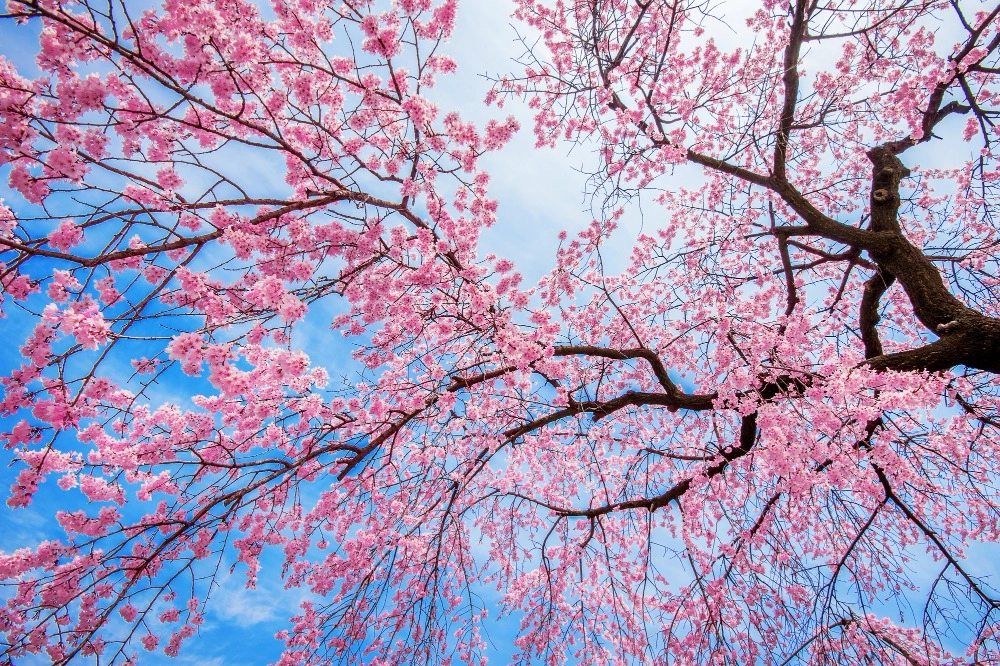
Flowering plants make seeds inside a flower and a fruit; non-flowering plants make seeds in cones (the conifers) or spores (ferns, mosses, horsetails). On a Front Range lot that distinction decides what survives: the flowering shrubs and perennials give a yard its color from Mother's Day to the first October frost, and the non-flowering evergreens hold the yard together through the other seven months, shrug off hail, and screen the neighbor in January.
This guide sorts the two groups for Colorado homeowners, lists the plants that survive USDA zone 5b clay, hail and drought, explains Denver Water's watering rules and Colorado's HOA landscaping law, and ends with what a seller does to the yard in the 30 days before listing.
Flowering plants (angiosperms) are the largest plant group on earth, and they include far more than the obvious. Every grass is a flowering plant with a small wind-pollinated flower, so blue grama, Colorado's state grass, sits in this group next to the lilac. Every fruit tree, every perennial, every vegetable and every deciduous shade tree along the Front Range is an angiosperm. The Rocky Mountain columbine, the state flower, is one.
What matters at 5,280 feet is which of them hold up. The Plant Select program, run by Colorado State University and Denver Botanic Gardens, tests plants for exactly this climate, and the list below is drawn from what survives a Front Range yard with three waterings a week:
Cut flowers are the one flowering-plant category that does not come from a Colorado yard in winter. A vase on the kitchen island for an open house, or a bouquet sent to a buyer relocating from the Bay Area, comes from a service such as San Francisco flower delivery. The plants above stay in the ground.
Non-flowering plants reproduce without a flower. Conifers (gymnosperms) carry seeds in cones; ferns, mosses and horsetails release spores. Ginkgo, a gymnosperm that grows well in Denver's parks, is a non-flowering tree even though it drops leaves like a maple. In a Front Range landscape the conifers do the year-round work:
The hail rule separates the groups. A June storm shreds hostas, hydrangeas and broad-leaf annuals in four minutes. Conifers, fine-leaf natives, ornamental grasses and sedums come through with no damage, which is why every Plant Select yard leans on them.
| Trait | Flowering plants (angiosperms) | Non-flowering plants (conifers, ferns, mosses) |
|---|---|---|
| How they reproduce | Flower, then seed inside a fruit | Cone (conifers) or spore (ferns, mosses) |
| Colorado examples | Columbine, penstemon, lilac, crabapple, bur oak, blue grama | Blue spruce, ponderosa, pinyon, juniper, ginkgo, ferns |
| Season of value | Late April to first frost | All twelve months; winter screening and snow structure |
| Hail (June and July) | Broad leaves shred; fine-leaf natives and grasses hold | No damage on conifers |
| Water once established | Natives: drip 1 to 2 times a week; bluegrass: 3 days a week | Junipers and pinyon: none; spruce: 15 gallons a week for 3 years |
| Front Range installed cost | Perennials $15 to $40 each; 2-inch caliper tree $500 to $900 | 6-foot spruce or pine $400 to $800; 5-gallon juniper $60 to $120 |
Denver, Aurora, Littleton, Lakewood and Fort Collins sit in USDA hardiness zone 5b to 6a; Colorado Springs, Castle Rock and Parker in 5a to 5b; Evergreen and Conifer in 4b. The last spring frost lands around Mother's Day and the first fall frost in early October, which leaves 20 weeks. Plant trees and shrubs in April or in September, when the soil is warm and the sun is not; plant perennials after the last frost; and water every new tree through its first three winters on any week without snow cover. Our seasonal gardening in Denver calendar lists the month-by-month tasks.
Denver Water's summer watering rules run from spring through October 1: water no more than three days a week, never between 10 a.m. and 6 p.m., and not during rain or high wind. Aurora Water, Castle Rock Water, Parker Water and Sanitation and the northern Colorado providers set their own schedules on the same pattern. A quarter-acre Kentucky bluegrass lot in Parker or Aurora costs $900 to $1,800 a summer in water at 2026 tiered rates; the same lot in blue grama and drip-fed natives costs a third of that. The Denver utility providers and costs guide lists who bills water in each suburb and what the tiers look like.
Turf-replacement rebates exist in most of the metro. Denver Water, Aurora Water and Castle Rock Water each fund lawn-to-xeriscape conversions through Resource Central or their own programs, and the state's turf replacement program adds money through the Colorado Water Conservation Board. A conversion runs $8 to $20 per square foot installed (plants, drip, mulch and rock), and the rebate covers part of it. Our Front Range xeriscaping guide walks through the design and the rebate paperwork.
Colorado Revised Statutes 38-33.3-106.5 bars an HOA from prohibiting xeriscape, drought-tolerant plants or vegetable gardens, and since 2021 from prohibiting artificial turf in a backyard. The HOA is allowed to set design standards: plant a percentage of the front yard in living material, keep it maintained, submit a plan to the architectural committee first. HRCA in Highlands Ranch and most Douglas County HOAs run a 30-day review. Separately, Colorado's 2024 turf law stops new nonfunctional grass on HOA common areas and commercial sites starting in 2026, which is why so many Front Range entry monuments are turning to native grass. Read the Denver HOA rules and fees guide before you pull the sod.
Front Range buyers judge a home from the driveway, and REcolorado showing data puts the outside photo first in every feed. Landscaping done in the month before listing returns more per dollar than any interior project short of paint; the preparing and adding value before selling page ranks it against the rest.
For the rest of the exterior list, read Denver curb appeal tips from a local and the post on 6 low-maintenance plants for Denver gardens. Buyers who want the yard already done search the xeriscaped homes for sale in the Denver metro.
The Kenna Real Estate Group at Keller Williams DTC walks the yard with you before listing, tells you which of the six steps above your street rewards, and photographs the home when the light is right. Call or text 303-955-4220. A live person answers. Not a robot, not a phone tree. To see how the competing yards look, search every home for sale in Colorado.
Questions about any home in Colorado? Call or text 303-955-4220. A live person answers.
A flowering plant (angiosperm) makes seeds inside a flower and a fruit; grasses, perennials, shrubs and deciduous trees are all in this group. A non-flowering plant makes seeds in a cone (spruce, pine, juniper, ginkgo) or reproduces by spores (ferns, mosses).
USDA zone 5b to 6a for Denver, Aurora, Littleton, Lakewood and Fort Collins; 5a to 5b for Colorado Springs, Castle Rock and Parker; 4b for Evergreen and Conifer. The last spring frost lands around Mother's Day and the first fall frost in early October.
Conifers (spruce, pine, juniper), ornamental grasses, sedums and fine-leaf natives such as penstemon, blue flax, rabbitbrush and Apache plume. Hostas, hydrangeas and broad-leaf annuals shred in a June storm.
From spring through October 1: no more than three days a week, never between 10 a.m. and 6 p.m., and not in rain or high wind. A quarter-acre bluegrass lawn costs $900 to $1,800 a summer in water; blue grama and drip-fed natives cost a third of that.
No. Colorado Revised Statutes 38-33.3-106.5 bars HOAs from prohibiting xeriscape, drought-tolerant plants and vegetable gardens, and backyard artificial turf since 2021. The HOA is allowed to require a plan review and set design standards.
A finished xeriscape with drip, mulch and established plants sells at the same price as a lawn and cuts the buyer's water bill by two-thirds, which shows up in showing feedback. A half-finished rock yard with weeds lowers the offer. Conversion runs $8 to $20 per square foot installed, with rebates from Denver Water, Aurora Water and Castle Rock Water.
Aspen below 7,000 feet (canker, borers, suckers, 15-year life), ash (emerald ash borer is in the metro), and the noxious Russian olive, Siberian elm and tamarisk. Plant bur oak, Kentucky coffeetree, hawthorn, honeylocust, crabapple, ponderosa or pinyon instead.
In the 30 days before photos: remove dead plants and patch sod, mulch and edge every bed, add flowering color in the front, prune the evergreens off the walkways, run the sprinklers for showings, and photograph at 10 a.m. Budget $500 to $2,000.


