New - Just Now
$218,000
Coming Soon
1
Beds
1
Baths
765
Sqft
--
Acres
777 N Washington St #205, Denver, CO 80203
MLS#: REC7934090
.jpg)


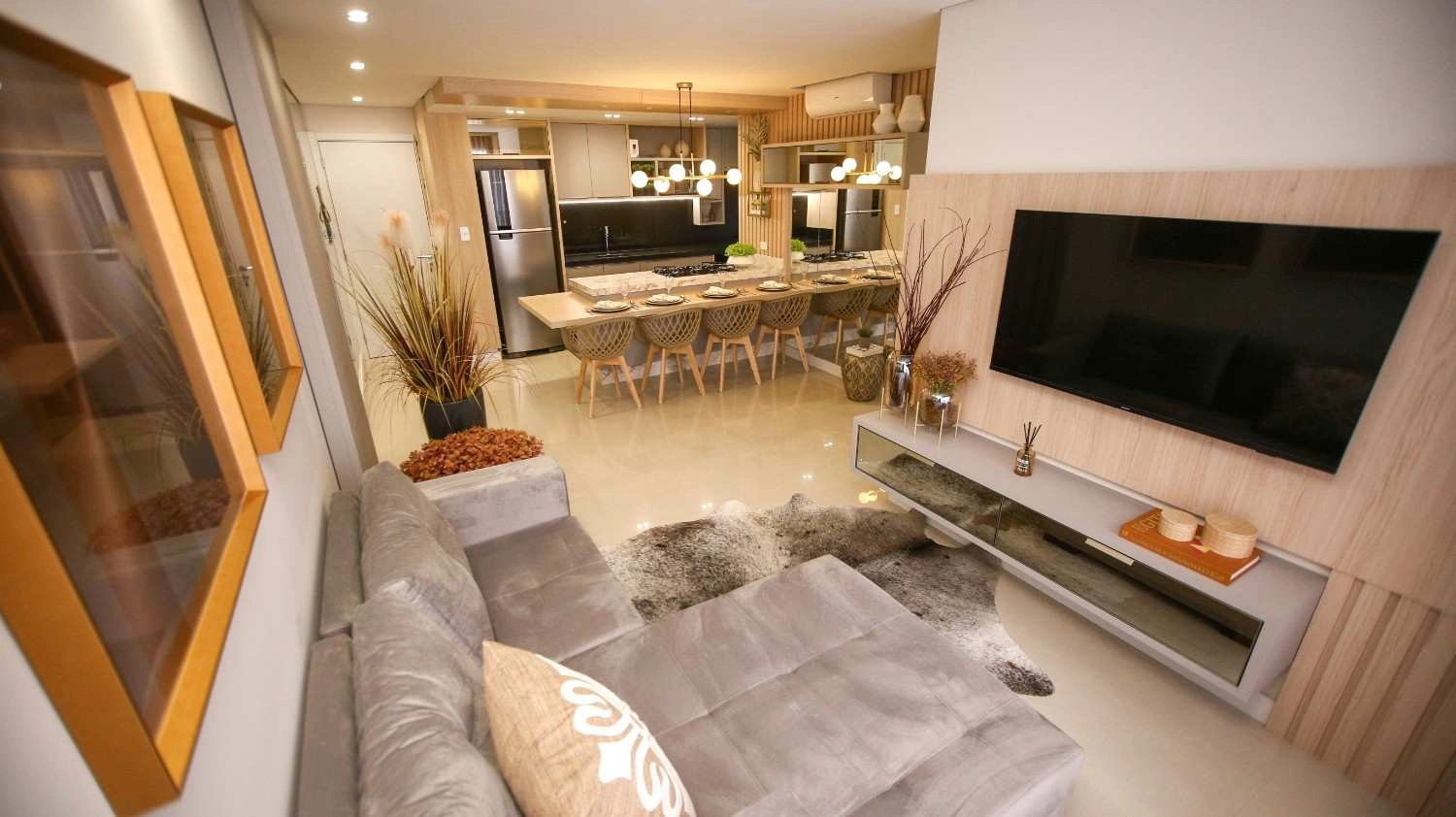
Two houses a block apart in the same Denver suburb can sell $150,000 apart, and the gap is rarely the square footage. It's the finishes: the kitchen a buyer doesn't have to touch, the bathroom that feels like a hotel, the backyard built for the 300 days of sun the Front Range gets. Here is what actually separates a premium home from a standard one, and where Colorado buyers put their money.
A premium home has finishes and systems a buyer doesn't need to plan for, budget for, or replace in year one. A standard home works, but a walkthrough reveals a list: the roof is at the end of its life, the kitchen has laminate counters, the basement is unfinished square footage. Premium homes remove that list. Buyers pay for the absence of a to-do list as much as for any single feature.
Yes, when they're built into the home's systems rather than bolted on as gadgets. A video doorbell and a smart thermostat are now baseline expectations, not upgrades. What separates a premium listing is an integrated system: locks, lighting, HVAC, and cameras that run on one app rather than five, wired in during construction or a full remodel rather than added with a drill and a Wi-Fi hub after the fact.
Custom cabinetry is the single upgrade Denver metro buyers notice first, because it's the one that's hardest and most expensive to change after closing. Beyond cabinets, buyers look for a natural stone or quartz island large enough to seat four, a gas or induction range with real cooking power, and a walk-in pantry. A galley kitchen with 1990s oak cabinets reads as a project, no matter how updated the rest of the house is.
For a primary bathroom, yes. Colorado's dry winters and cold tile floors make radiant heat one of the first things buyers mention on a showing feedback form. It costs roughly $10 to $20 per square foot installed during a remodel, and it reads as a spa-level touch rather than a mechanical upgrade, which matters to how a buyer emotionally prices the home.
A fully finished basement with proper egress, ceiling height, and permitted electrical returns a large share of its cost in added value and adds livable square footage the county assessor and most buyers will count. An unfinished basement used as storage is a discount, not a feature; a finished one with a bedroom, bathroom, and living space closes the gap between a standard three-bedroom and a premium five-bedroom listing without adding a square foot to the footprint.
A covered patio or pergola, a built-in fire pit, and a gas line for a grill top the list on the Front Range, where outdoor living runs from April through October. Buyers weigh xeriscaping and drought-tolerant landscaping heavily too, since it cuts the water bill and the mowing without giving up curb appeal. A flat, low-maintenance backyard photographs as an afterthought; a designed outdoor room photographs as an extra bedroom.
Increasingly, yes, especially in Douglas County, Aurora, and Colorado Springs, where water utilities offer rebates for replacing turf with native and drought-tolerant plantings. A well-designed xeriscape reads as intentional and low-upkeep rather than "no lawn," and it removes a recurring cost buyers now ask about directly during a showing.
Engineered hardwood and large-format tile outperform solid hardwood in Colorado's low humidity, since solid wood planks contract and gap as the air dries out each winter. Luxury vinyl plank has become a premium-adjacent choice in basements and mudrooms because it handles the temperature swings near an exterior door without warping.
A mid-range kitchen remodel in the Denver metro runs roughly $40,000 to $75,000 depending on cabinet grade, countertop material, and appliance package; a high-end remodel with custom cabinetry and a full appliance upgrade runs $80,000 and up. Sellers weighing a remodel before listing should read the guide to preparing and adding value before selling to see which upgrades return the most at closing versus which ones only help the seller enjoy the house.
Owned solar systems add value, particularly with Xcel Energy's rising rate structure making buyers pay closer attention to utility costs. Leased solar systems are a mixed bag at resale, since the buyer inherits the lease terms, so sellers with a leased system should confirm the transfer process well before listing.
Central air conditioning is now a baseline expectation rather than a luxury, since Front Range summers regularly push into the 90s. A high-efficiency furnace paired with a heat pump, whole-house humidification for winter's dry air, and a MERV-13 filtration system are the upgrades that separate a premium mechanical package from a builder-grade one.
Appraisers compare a home against recent sales of similar homes, so premium finishes only add measurable value when nearby comparable sales support that price level. A $150,000 kitchen remodel in a neighborhood of $450,000 homes won't appraise dollar for dollar; the same remodel in a $900,000 neighborhood will support the price far more directly. Location and comparable sales set the ceiling before any single feature does.
Lot size and view, finish quality throughout rather than in one showcase room, a finished basement, and mechanical systems under ten years old. Two homes with the same bedroom and bathroom count in the same suburb split on those four factors more than on any single splashy upgrade.
Only the upgrades that close the gap between the home and its direct competition, not every upgrade on this list. A Smart Pricing Report from the Kenna Real Estate Group shows which specific upgrades the closest comparable sales already have, so a seller spends on the two or three that move the needle instead of the ten that don't.
Highly personal features: a home theater, a wine cellar, an elaborate built-in aquarium. These read as fun to the current owner and as a removal project to the next buyer. Buyers looking for cash home buyers or a fast, as-is sale, like those served by cash home buyers outside Colorado, skip the finish conversation entirely; Front Range sellers going the traditional listing route should stick to upgrades a broad range of buyers can use as-is.
The Kenna Real Estate Group helps Front Range buyers tell a premium home from a staged one, and helps sellers decide which upgrades are worth the check before listing. Call or text 303-955-4220. A live person answers. Not a robot, not a phone tree. Ready to compare homes side by side? Search every home for sale in Colorado.
Questions about any home in Colorado? Call or text 303-955-4220. A live person answers.
A finished basement with proper egress and permitted electrical adds the most livable square footage per dollar spent, which is what appraisers and buyers both count toward value.
It depends on the neighborhood's price point. A Smart Pricing Report compares the home to recent sales of similar upgraded homes nearby before a seller spends on a remodel.
A well-designed xeriscape with native plantings and hardscaping improves curb appeal and cuts water costs; a yard of bare gravel does not.
Owned solar systems add value. Leased systems require the buyer to qualify for and accept the lease transfer, which can slow or complicate a sale if not handled early.
Solid hardwood is a poor fit below grade and in dry, temperature-swinging spaces; engineered hardwood, tile, or luxury vinyl plank hold up better.
A mid-range primary bathroom remodel with a walk-in shower and radiant floor heat runs roughly $25,000 to $45,000 in the Denver metro, depending on tile and fixture grade.
A basic smart thermostat and video doorbell are inexpensive and expected. A full integrated system is worth adding only if the home is already at a price point where buyers expect it.
Lot size, view, finish quality throughout the home rather than in one room, and the age of major systems like the roof, furnace, and water heater.