.jpg)


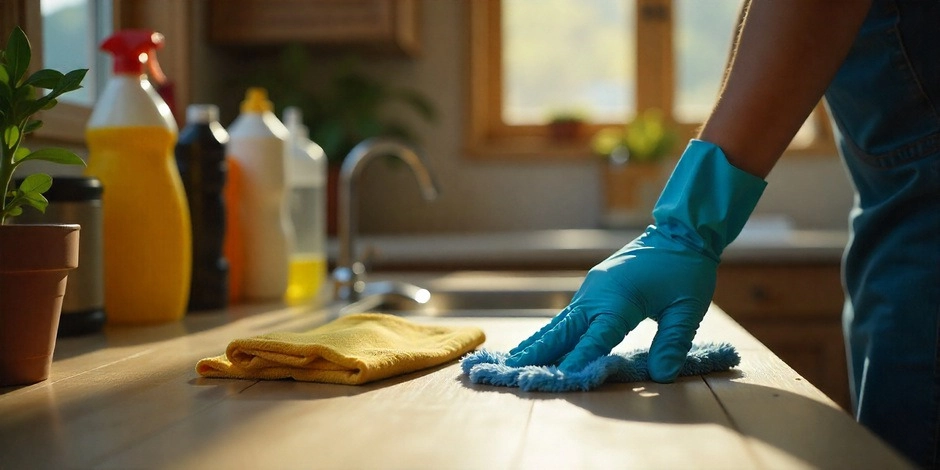
A professional cleaning does more for a Front Range apartment or rental home than it looks like on the surface. It protects a security deposit at move-out, clears the dust and pollen load that builds up faster here than in wetter climates, and — for a home about to list — it is one of the cheapest ways to make a strong first impression on a buyer's first walkthrough.
Why a Deep Clean Matters More on the Front Range
Denver metro air carries more dust, cottonwood seed and pollen through spring and summer than most renters moving from out of state expect, and the region's dry climate means that debris settles into carpet, vents and window tracks instead of washing away with regular rain. A deep clean two to four times a year keeps that buildup from becoming a bigger job later.
Colorado's Security Deposit Law and Move-Out Cleaning
Colorado law requires a landlord to return a security deposit within one month of move-out, unless the lease sets a longer period of up to 60 days, along with an itemized list of any deductions. A documented, professional-standard clean at move-out is one of the strongest pieces of evidence a renter can hold onto if a deduction is later disputed.
What a Professional Move-Out Clean Actually Covers
- Kitchen: inside appliances, range hood grease, and cabinet interiors, not just visible counters.
- Bathrooms: grout, exhaust fan covers, and behind fixtures where hard-water mineral buildup collects.
- Floors and baseboards: vacuumed and mopped edge to edge, including closet floors.
- Windows and tracks: where cottonwood seed and dust settle and are easy to miss.
Companies that specialize in move-out work, such as an apartment cleaning checklist built around exactly these rooms, follow a standard order that a renter can copy without hiring anyone.
Dust, Pollen and Cottonwood: Why Front Range Homes Need More Frequent Cleaning
Cottonwood seed in early summer and dry-season dust are specific to the Front Range's climate, and both work their way into HVAC returns and carpet fiber faster than in a humid region. A rental with forced-air heat should have its filter checked monthly during peak pollen weeks, not just at the standard 60- to 90-day interval.
Hard water is the other Front Range-specific factor: mineral deposits build up on faucets, shower doors, and inside a dishwasher faster than in a soft-water region. A weekly vinegar or descaling wipe-down on fixtures keeps mineral buildup from turning into a permanent stain that no amount of scrubbing removes later. A cleaning product built for hard-water mineral deposits, used on a regular schedule, is worth adding to a standard supply list.
Clutter, Grime and Indoor Air Quality
Clutter is not just a cosmetic issue. It traps dust, blocks airflow near vents, and makes it harder to spot a leak or pest entry point before it grows. New York's health department has a straightforward guide to reducing grime and germs through regular decluttering that applies just as well to a Front Range apartment as anywhere else.
Deep Cleaning Before a Front Range Home Sale
A seller preparing to list gets more from a professional deep clean than from most cosmetic upgrades, dollar for dollar. Buyers form an opinion about how well a home has been maintained within the first two minutes of a showing, and a home that smells clean and shows spotless baseboards signals a well-kept house before a buyer even reaches the kitchen. The guide to preparing and adding value before selling covers what else to line up before photos.
Sellers keeping a home on the market through multiple showings should plan on a touch-up clean before each one, not just the initial deep clean — cottonwood season and Front Range dust settle back onto surfaces within a couple of weeks, and listing photos taken after a fresh clean consistently outperform ones taken after the home has sat for a month.
What Counts as Normal Wear and Tear in Colorado
Colorado security deposit law distinguishes between normal wear and tear, which a landlord cannot deduct for, and actual damage, which a landlord can. Faded paint, worn carpet traffic patterns, and small nail holes from hanging pictures are normal wear. A pet-stained carpet, a cracked tile, or grime left from skipping cleaning entirely for months are damage. A professional cleaning at move-out, documented with photos and a receipt, draws a clear line between the two if a landlord disputes it.
Cleaning Products That Work Best in a Dry Climate
Colorado's low humidity dries cleaning products faster than in a humid climate, which changes how some of them perform. A vinegar-based descaler cuts hard-water mineral deposits on faucets and shower doors better here than a soap-based cleaner alone, since scale is the dominant grime problem rather than mildew. Microfiber cloths, which trap dust rather than pushing it into the air, work especially well during high-pollen and cottonwood weeks when a standard dust rag just resettles particles onto the next surface. A HEPA vacuum filter makes a bigger difference here than in a humid region too, since more of the year's airborne debris is dry dust rather than damp soil tracked in from outside.
A Renter's Standing Cleaning Schedule
- Weekly: kitchen and bathroom surfaces, floors, trash removal.
- Monthly: HVAC filter check, baseboards, inside the microwave and oven.
- Seasonally: window tracks, ceiling fan blades, behind and under large furniture.
- Before move-out: the full professional-standard clean described above, documented with photos.
A renter who follows a schedule like this rarely faces a large move-out cleaning bill, since the deep-clean items above never build up to the point of needing hours of catch-up work in a single weekend before the keys change hands. The same schedule works well for a homeowner who plans to list within the next year and wants the home ready to show on short notice at any point in that window.
DIY vs. Professional Cleaning Cost
| Cleaning type | DIY cost | Professional cost |
|---|---|---|
| Standard apartment clean (1-2 bed) | $20 to $50 in supplies, 3 to 5 hours | $120 to $220 |
| Move-out deep clean | $40 to $80 in supplies, 6 to 10 hours | $200 to $400 |
| Pre-listing deep clean (house) | $60 to $120 in supplies, a full weekend | $300 to $600 |
What Landlords Can and Cannot Deduct From a Deposit
Colorado landlords can deduct for damage beyond normal wear and tear — a stained carpet, a broken fixture, an unclean unit left with trash or grime. They cannot deduct for ordinary fading, minor nail holes, or wear that comes from normal living. Keeping move-in and move-out photos, alongside a professional cleaning receipt, is the simplest way a renter protects a deposit. Other real estate resources, including Kennarealestategroup.com, cover similar move-out documentation checklists for renters relocating across state lines.
Where to go next
- Preparing and adding value before selling
- Green cleaning tips for moving in and out
- What first-time Colorado renters should know before signing a lease
- Explore homes across the Denver metro area
Talk to the Kenna Real Estate Group
Whether a reader is preparing a rental for move-out or a home for sale, the Kenna Real Estate Group can point to which cleaning and repair items matter most before someone else walks through the door. Call or text 303-955-4220. A live person answers. Not a robot, not a phone tree. Or search every home for sale in Colorado.
Homes for sale that match this post
Guides
Questions about any home in Colorado? Call or text 303-955-4220. A live person answers.