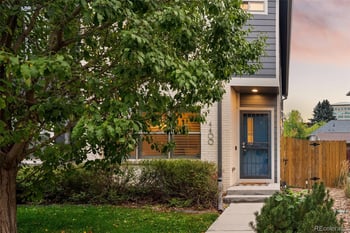
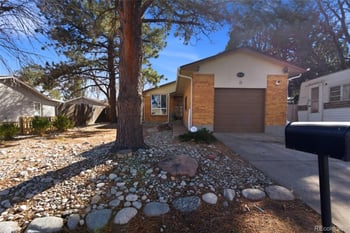
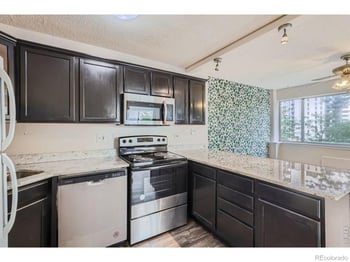
New - 1 Hour Ago
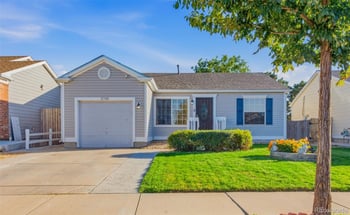
.jpg)



Finding the right home in Colorado starts with a number, not a neighborhood: get a mortgage pre-approval first, then narrow the search by city, then judge each house against Colorado's climate and soil instead of just its floor plan. Buyers who reverse that order end up touring homes they can't afford or can't insure.
Lenders qualify buyers using a debt-to-income ratio and a monthly PITI figure: principal, interest, property tax, and insurance. A pre-approval letter, not a pre-qualification, is what a Front Range listing agent asks for before scheduling a showing on a competitive property. Mike Oswald at Rate (NMLS 261003, Equal Housing Lender) runs Front Range buyers through that math before they tour a single home, and you are free to use any lender. Start at kennarealestate.com/financing or build your file with the free Kenna Credit Care mortgage-readiness tool.
Search live inventory by area at Denver, Aurora, Littleton, Centennial, or Colorado Springs, or search every city at once at kennarealestate.com/homes.
New construction on the Front Range comes with a builder warranty and current energy code, but a bare yard and a metro-district fee on top of property tax. A resale home comes with mature landscaping and a lower up-front price, plus a home inspection that shows exactly what needs work now instead of in year three. Read the full comparison in The Ultimate Guide To Buying A New Construction Home or browse current builder inventory at new-construction-homes-by-area.
An HOA fee on a Front Range condo or townhome covers exterior maintenance, common-area landscaping, and a reserve fund for roofs and paving. A metro-district fee, common on new-build communities in Commerce City, Brighton, and Castle Rock, pays down the bonds that built the streets, water lines, and parks before the builder sold the first lot. Ask for the HOA or district's current budget and reserve study before you waive your review period; a thin reserve fund means a special assessment is coming.
The Colorado contract sets an inspection objection deadline as a specific date the buyer and seller agree to in the contract, not a fixed number of days counted from closing. Miss that date without submitting a written objection or resolution, and the property is deemed accepted "as is" under the terms already negotiated. A buyer's agent tracks this date on your behalf so a busy week never costs you your right to negotiate repairs.
Colorado sellers complete a Seller's Property Disclosure form covering known defects: roof leaks, foundation movement, water intrusion, radon test results, and past insurance claims. It's a disclosure of what the seller knows, not an inspection, so pair it with your own licensed inspector before the objection deadline.
Front Range hail season runs from spring through September, and a roof's age and material matter more here than in most states. Ask for the roof's install date and any prior insurance claims, and budget for impact-resistant shingles if you're replacing it; many Colorado insurers offer a premium credit for Class 4 impact-rated roofing.
Bentonite clay under much of the Front Range swells when it gets wet and shrinks when it dries, which is why foundation movement shows up on so many inspection reports. Ask whether the home has a structural engineer's report, whether gutters direct water at least several feet from the foundation, and whether the yard grade slopes away from the house.
Denver sits around 5,280 feet, where UV exposure is stronger and humidity is lower than at sea level. That combination dries out wood trim, cracks caulk faster, and makes whole-house humidifiers common on newer HVAC systems. It's also why exterior paint and deck sealant need more frequent attention than in a humid state.
Homes in the foothills and in wildland-urban interface areas need defensible space: cleared vegetation and non-combustible material in the zone closest to the structure. Local fire departments and county wildfire-mitigation offices publish the specific clearance distances for your address, and many Colorado insurers now require proof of mitigation work before renewing a policy in these zones.
Denver Water and most Front Range utilities run seasonal watering schedules that limit which days and hours you can irrigate. Xeriscaped and low-water landscaping is common on newer builds and can cut both your water bill and your maintenance time.
| Cost category | Typical Front Range range |
|---|---|
| Lender and origination fees | $1,500 - $4,000 |
| Title insurance and closing/escrow fee | $1,200 - $3,000 |
| Appraisal and inspection | $600 - $1,000 |
| Recording and county fees | $100 - $300 |
| HOA or metro district transfer/setup fee | $200 - $600 |
Get a line-by-line estimate before you write an offer at buyers/what-are-closing-costs.
A condo or townhome trades yard maintenance for an HOA fee and shared walls, and it's the lower entry price point in a given Front Range city. A single-family home costs more up front and carries every repair, but builds equity without a monthly association fee competing for the same dollars. Compare current condo inventory at kennarealestate.com/condos.
A financed Front Range purchase runs 30 to 45 days from an accepted offer to closing: inspection and objection in the first two weeks, appraisal and loan underwriting in the middle, and a final walkthrough in the last few days. A cash offer can close in one to two weeks.
Buyers relocating to the Front Range start by comparing what they'd get for the same budget back home. If you're weighing Colorado against a market you're leaving, here's a current look at homes in Coeur d'Alene, Idaho for sale for side-by-side comparison. For the Colorado side of that move, see the full moving to Denver guide.
Trading a larger house for a smaller one on the Front Range frees up equity and cuts maintenance time, especially in a low-maintenance condo or a 55-plus community with included lawn care. Compare options at downsizing-denver-metro and 55-plus-communities-by-area.
Xcel Energy runs rebate programs for heat pumps, insulation, smart thermostats, and efficient water heaters that a new owner can apply for after closing. Check current rebate amounts directly with Xcel before you budget for an upgrade, since the programs and dollar amounts change year to year.
The Kenna Real Estate Group walks Front Range buyers through financing, city selection, and the inspection process on every offer we write. Call or text 303-955-4220. A live person answers. Not a robot, not a phone tree. Or start browsing now and search every home for sale in Colorado.
Questions about any home in Colorado? Call or text 303-955-4220. A live person answers.
Get a mortgage pre-approval before you tour homes. It sets your real budget and is what listing agents ask for before scheduling a showing on a competitive Front Range property.
A financed purchase runs 30 to 45 days from accepted offer to closing. A cash purchase can close in one to two weeks.
It's a specific date written into the Colorado contract by which a buyer must submit any written objection or resolution based on the inspection. Miss it, and the property is accepted on the negotiated terms.
Ask for one if the inspection notes foundation cracks, sloping floors, or sticking doors and windows. Expansive clay soil under much of the Front Range makes foundation movement a common finding.
Plan for roughly $3,500 to $8,000 in lender fees, title insurance, appraisal, inspection, and recording costs on a typical Front Range purchase, on top of your down payment.
No. A metro district fee repays the bonds that funded a new community's streets, water lines, and parks. An HOA fee funds ongoing maintenance of shared property and amenities.
Yes. Hail season runs from spring through September, so ask for the roof's age and claim history, and ask your insurer about a premium credit for Class 4 impact-rated shingles.
A local lender who closes Front Range purchases regularly can move faster through appraisal and underwriting, but you are free to use any lender you choose.