New - 1 Day Ago
.jpg)


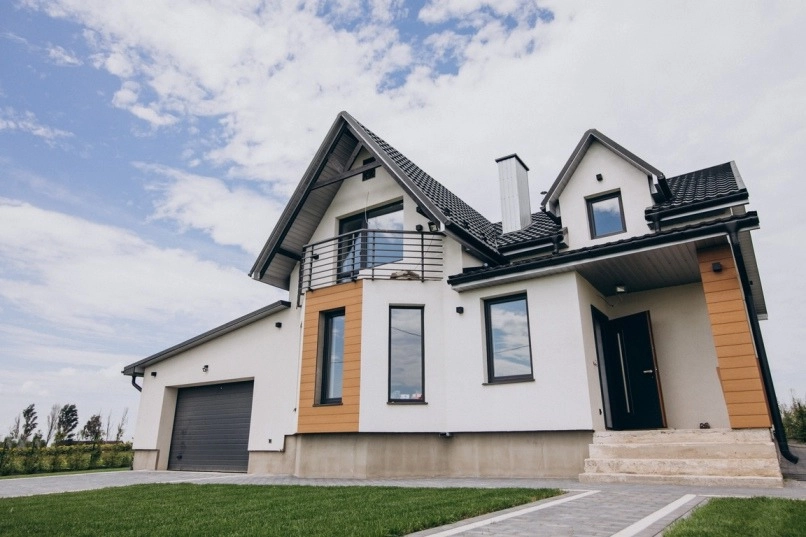
A buyer forms an opinion about a Colorado home before ever reaching the front door, and three exterior elements drive that first impression more than any others: siding condition, roof condition, and fencing. Fencing gets the least attention of the three, but it is one of the first things a buyer notices pulling up and one of the first things an HOA reviews before a homeowner can change it.
This guide focuses on fencing, since siding and roofing are covered in depth elsewhere, and covers what materials and rules apply on the Front Range along with the order these upgrades should happen in before a listing goes live.
Buyers and their agents scroll listing photos and decide whether to schedule a showing within seconds, and exterior photos come first in almost every listing. A home with peeling paint, damaged siding, an aging roof or a leaning fence signals deferred maintenance before a buyer ever sees the kitchen. Fixing the exterior first, before interior staging, changes how many showings a Front Range listing gets in its opening week.
Fence material choice on a Colorado property has to account for wind, UV and freeze-thaw the same way roofing and siding do. Downslope wind gusts near the foothills push past 60 mph several times a year and test every post and panel on a fence installation.
| Fence material | Wind performance | UV/fade resistance | Installed cost per linear ft |
|---|---|---|---|
| Cedar wood | Good with proper post depth | Grays without regular staining | $25 to $45 |
| Vinyl/PVC | Good, panels can flex in gusts | UV-stabilized versions hold color well | $30 to $55 |
| Composite | Very good, rigid panel systems | Excellent, factory-finished | $35 to $60 |
| Wrought iron/aluminum | Excellent | Excellent, powder-coated finish | $40 to $75 |
Companies such as Cool Cat Fence and general contractors like Pro Superior Construction publish helpful general guidance on fencing and exterior renovation projects; get an actual bid from a Front Range installer familiar with local frost-depth post requirements and HOA approval paperwork.
Fencing works alongside siding and roofing to form a buyer's full first impression, so a quick condition check on both matters even when fencing is the main project. Cracked, faded or gapped siding is one of the most common items on a Front Range home inspection report, and it is the largest visible surface area on most homes, which makes it the first thing a buyer's eye catches in listing photos. Roof age and condition matter even more directly, since it is the most expensive line item a buyer's inspector can flag and the hardest to disguise from the street or in photos. Full detail on Colorado-specific siding and roofing material choices, costs and permit rules is covered in the related posts linked below.
Nearly every Front Range HOA restricts fence height, material and placement through the covenants, and most require Architectural Review Committee approval before installation, including for a like-for-like replacement in some communities. Cities and counties require a permit for a fence over a set height, and property-line surveys matter more here than homeowners expect, since a fence built even a few inches over a line becomes a dispute at closing.
Homes near the foothills and in wildland-urban interface areas should check local defensible-space guidance before choosing fence material and placement close to the structure; some jurisdictions recommend non-combustible material or added clearance within the first few feet of the home.
Get two to three written bids for a full fence replacement, and confirm each one includes post depth appropriate for Colorado's frost line, hardware rated for outdoor exposure, and a clear scope for gate placement and hardware. A fence installer who skips a proper post-hole depth to save time on a Front Range job sets up posts that heave with seasonal ground movement within a few winters.
Ask specifically whether the quoted price includes removal and disposal of the old fence, since that line item gets left off some bids and shows up as a surprise add-on later. For a property line project, confirm the installer will work from a current survey rather than an old fence line that does not always match the recorded boundary.
Wood fencing needs restaining every 2 to 3 years here to resist the UV fading and checking that comes with roughly 300 days of sun a year at altitude. Vinyl, composite and metal fencing need far less upkeep, mainly a rinse and an occasional post check after a wind event, which is why more Front Range homeowners are switching materials at replacement time instead of rebuilding in wood.
A gate takes more daily use and weather exposure than any other part of a fence, and hardware failure there is one of the fastest ways a fence starts to look neglected even when the panels themselves are in good shape. Self-closing hinges, a secure latch, and a gate frame sized to resist sagging over a wide opening matter more on the Front Range than in a calmer climate, since repeated wind loading works a poorly braced gate loose within a season or two.
For a listed home, a functioning, correctly aligned gate at both the front walk and any side-yard access point is worth checking before photos, since a dragging or misaligned gate is an easy, inexpensive fix that otherwise reads as a maintenance red flag to a buyer walking the property.
Fence height rules on the Front Range distinguish between front-yard fencing, capped lower for sightlines and street character, and rear or side-yard fencing, which can run taller for privacy. Corner lots add a visibility triangle requirement near intersections and driveways in many cities, limiting fence and landscaping height within a set distance of the corner. Check the specific height limits for each zone of the property with the city or county before ordering material, since a fence built to the wrong height in the wrong zone becomes a costly rebuild.
A Smart Pricing Report from the Kenna Real Estate Group compares recently sold Front Range homes with and without these upgrades, so a seller can decide which ones are worth the cost before listing.
The Kenna Real Estate Group walks Front Range sellers through which exterior projects, including fencing, actually move a buyer's first impression and which ones do not pay back the cost. Call or text 303-955-4220. A live person answers. Not a robot, not a phone tree. Search every home for sale in Colorado.
Questions about any home in Colorado? Call or text 303-955-4220. A live person answers.
It raises curb appeal and removes a maintenance concern for buyers, but it returns less per dollar spent than roof or siding replacement.
Vinyl, composite and metal or wrought iron outlast wood against UV fading and wind, and need far less annual upkeep.
Most cities and counties require one above a set height. Check with the local building department before construction.
Yes, nearly every Front Range HOA sets fence rules through the covenants and requires Architectural Review Committee approval.
Roughly every 2 to 3 years, since strong UV at altitude fades and dries out wood faster than in a milder climate.
Roof first, siding second, fencing and hardscape third, landscaping and lighting last, since each step affects the next in listing photos.
Yes. Some wildland-urban interface jurisdictions have defensible-space guidance affecting material and clearance near the structure.