New - 8 Hours Ago

.jpg)


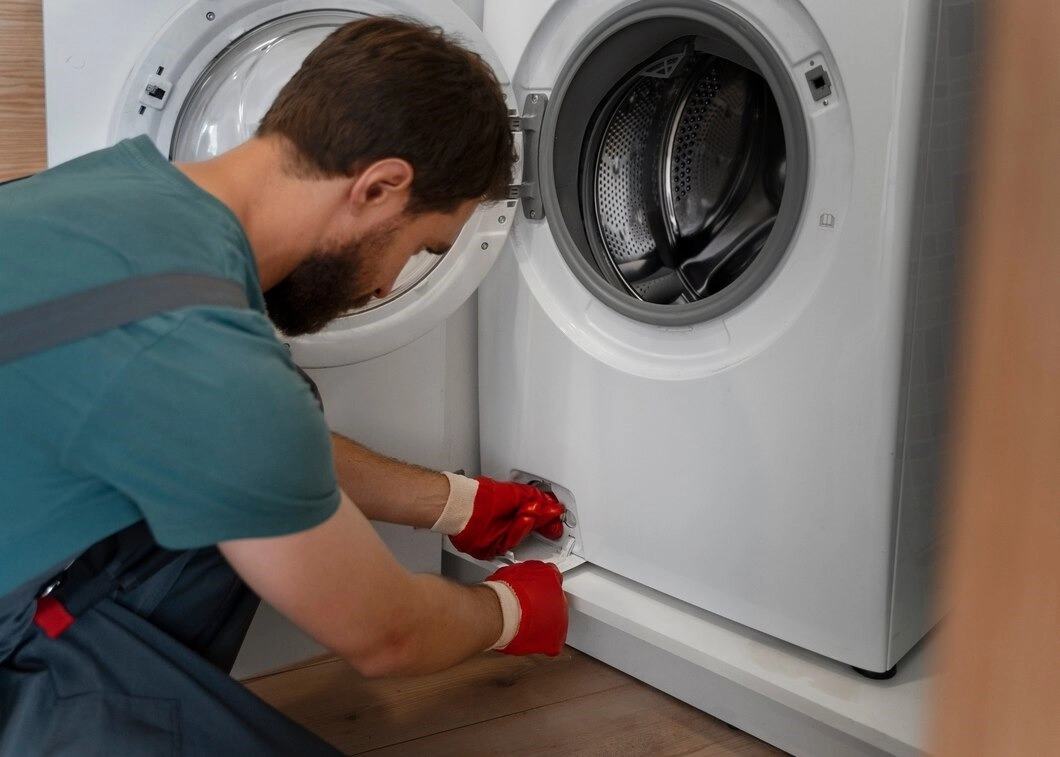
A washing machine along Colorado's Front Range deals with a different set of problems than one in a humid climate. Dry indoor air raises static, Front Range water runs moderately hard in most service areas, and the swing between a heated basement laundry room and a freezing garage one ages hoses and seals faster than a milder climate does. Most of these problems have a fix that does not need a technician.
Static builds up when fabric loses moisture, and Denver metro humidity sits below 30 percent indoors, especially once the furnace starts running in fall. Dry synthetic fabric holds a stronger charge than natural fiber, so a load heavy on fleece or polyester picks up more static than a load of cotton towels.
Most water supplied by Denver Water and neighboring Front Range districts falls in the moderately hard range; a home on a private well in the foothills or on the eastern plains sees harder water than city supply. Hard water reduces how well detergent dissolves, which leaves a chalky residue on dark fabric and inside the drum over time.
An unlevel machine, worn leveling feet, or an overloaded drum causes most washer vibration. Older Front Range homes built with wood-frame upper floors transmit that vibration through the joists more than a laundry room on a concrete slab does. Level the washer with a bubble level, add rubber anti-vibration pads under all four feet, and split oversized loads in half.
Hard water keeps standard detergent from fully dissolving, and the leftover minerals bond with detergent film to leave a chalky residue on dark clothing and inside the drum. Switching to an HE detergent built for hard water, and running an empty hot-water cycle with a washer cleaning tablet once a month, clears most of it.
No. Denver's 5,280-foot elevation does not change washer drainage or spin mechanics; those depend on water pressure and the machine's own pump and motor. A slow drain almost always traces to a clogged drain hose, a dirty lint filter, or a kink in the line behind the machine, not the altitude.
A garage or unheated mudroom laundry setup, common in older Front Range homes and some mountain-adjacent communities, swings between freezing overnight and 60-plus degrees by afternoon on a sunny winter day. That swing dries out rubber door seals and hoses faster than a stable indoor temperature would, so check those parts twice a year in a garage laundry setup instead of once.
A worn door gasket, a loose or cracked supply hose, or a clogged standpipe cause most basement washer leaks. Because a leak in a below-grade laundry room can sit unnoticed against drywall and flooring, check hose connections for wear once a year and keep a moisture-absorbing mat under the machine as a backup.
Noise during the spin cycle commonly points to worn drum bearings, an unlevel machine, or the washer sitting too tight against a wall, which amplifies vibration into the framing. Foam padding or rubber feet under the machine and a couple of inches of clearance from the wall cut most of the noise without a repair call.
| Task | Frequency |
|---|---|
| Clean lint filter or trap | Every 1 to 2 loads |
| Wipe door gasket and drum | Weekly, leave door open between loads to dry |
| Run empty hot cycle with cleaner | Monthly, more frequently with hard water |
| Inspect supply hoses | Every 6 to 12 months, more frequently in a garage laundry room |
Mineral buildup from hard water coats heating elements and valves over years of use, which reduces efficiency and eventually causes a part to fail earlier than it would on soft water. A whole-home or point-of-use water softener slows that buildup, and an HE detergent built for hard water helps between softener installs.
A standard home inspection checks that the washer's supply and drain connections are sound and that there is no active leak, but it does not evaluate the machine as an appliance the way an appliance-specific inspection would. Run a full cycle during a showing when possible, and ask the seller directly for the washer's age and repair history before closing.
A clean, functional laundry space with no visible mineral staining or leak damage reads as well-maintained to a buyer, while a laundry room with corroded hoses or a musty smell raises a question about hidden moisture damage. The preparing and adding value before selling guide covers which small fixes, laundry room included, matter most before a Front Range listing goes live.
A whole-home ion-exchange softener treats every fixture, including the washer, and fits homes on Denver Water or a well with consistently hard water. A smaller point-of-use unit installed just for the laundry line costs less upfront and works for a household that only wants to protect the washer and its hoses rather than the whole plumbing system.
Look for an HE detergent labeled for hard water use; it includes a water-softening additive that standard detergent does not, so it dissolves fully instead of leaving residue on dark fabric. Liquid formulas dissolve more reliably than powder in moderately hard Front Range water, which matters most on a cold-water cycle.
Call a technician when the drum will not spin at all, the machine trips a breaker, or a leak keeps returning after the hoses and gasket have been checked. Those point to an electrical or internal mechanical fault rather than the water-hardness or dry-air issues a homeowner can fix without opening the cabinet.
Ask for the printable washer maintenance checklist in the form below and the Kenna Real Estate Group emails it the same day.
Whether a Front Range laundry room needs a quick maintenance pass before showings or a buyer wants a second look at an older washer before closing, the Kenna Real Estate Group can point sellers and buyers to what matters most in a Denver metro home. Call or text 303-955-4220. A live person answers. Not a robot, not a phone tree. Or search every home for sale in Colorado to compare laundry setups across current listings.
Questions about any home in Colorado? Call or text 303-955-4220. A live person answers.
Denver's humidity drops below 30 percent, especially in winter with the furnace running, and dry fabric holds a stronger static charge than fabric dried in a humid climate. A dryer ball or a lower heat setting on the last few minutes of a cycle cuts static without a chemical sheet.
Most Front Range water supplied by Denver Water and neighboring districts falls in the moderately hard range, and homes on a private well in the foothills see harder water than city supply. Hard water leaves mineral buildup in a washer's hoses and on clothes over years of use.
An unlevel washer, worn leveling feet, or an overloaded drum causes most vibration, and older Front Range homes with wood-frame floors transmit that vibration more than a home on a concrete slab. Leveling the machine and adding anti-vibration pads under the feet solves most of it.
Denver's elevation does not meaningfully change how a washer drains or spins; that is a water-pressure and mechanical issue, not an altitude one. A slow drain almost always traces to a clogged hose, a dirty lint filter, or a kinked drain line.
A worn door seal or gasket, a loose or cracked supply hose, or a clogged standpipe are the most common causes. Check the hoses for cracking once a year; Colorado's dry indoor air and temperature swings between a heated basement and an unheated garage laundry room age rubber seals faster than a stable climate does.
Mineral buildup from hard water coats heating elements and valves over years, reducing efficiency and eventually causing a part to fail early. A whole-home or point-of-use water softener slows that buildup, and an HE detergent formulated for hard water helps in the meantime.
A general home inspection checks that supply and drain connections are sound but does not evaluate the washing machine itself as an appliance. Run a full cycle during a showing or ask the seller for the appliance's age and any repair history before closing.


