New - 4 Hours Ago
.jpg)


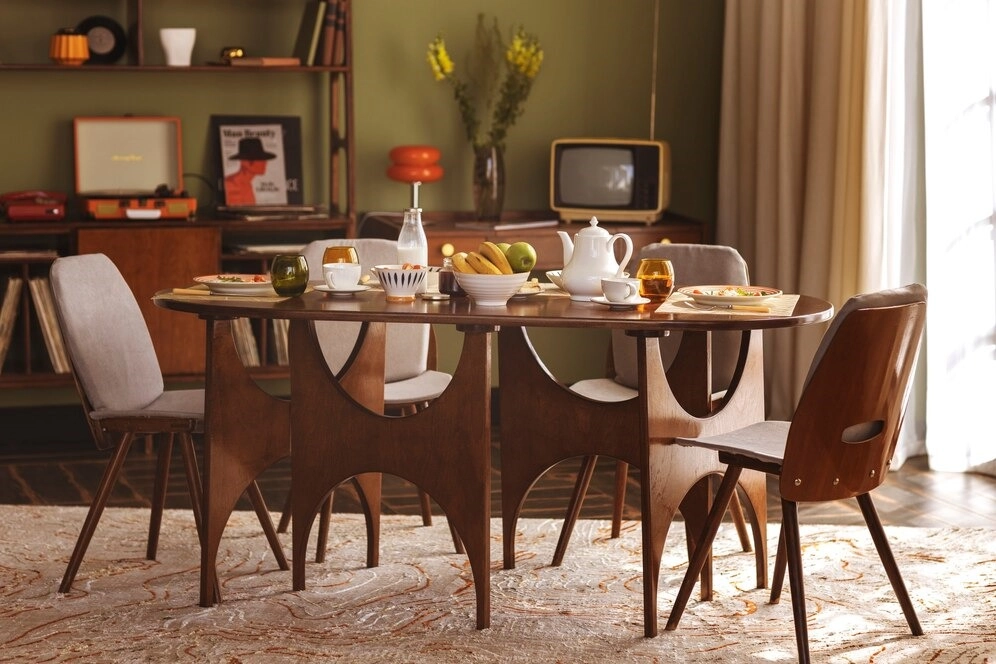
A dining room in a Colorado home has to do more work than it did a generation ago. It is a table for dinner, a desk for remote work, a homework surface, and, if the home is about to list, one of the rooms buyers photograph in their head before they walk out the door. Getting the size, the budget order, and the Front Range climate right matters more than picking a style first.
Start with seat count, not room size. Each seat needs 24 to 28 inches of table length, and the room needs 24 to 31 inches of clear floor behind every chair so someone can push back and stand without hitting a wall or a buffet. A 6-foot table seats six; an extendable table with a leaf adds two more seats for a holiday gathering without permanently taking over a smaller Front Range dining nook.
Table and chairs first, then a light fixture sized to the table, then everything else. A sideboard, extra lamps or wall art can wait a year while the household learns how it actually uses the room. Furnishing a new construction home from scratch along the Front Range benefits from this order, since new-build dining rooms in communities from Castle Rock to Commerce City tend to be sized for a standard 6-seat layout rather than a custom one.
Indoor humidity along the Front Range commonly runs below the 40 to 60 percent range that solid wood furniture is milled for, and forced-air heat in winter drops it further. Dry joints shrink, veneer can crack, and a table leaf that fit last spring can bind by January. A small room humidifier near a solid-wood table, especially November through March, keeps the wood stable.
Denver sits at 5,280 feet, where UV exposure runs stronger than at sea level even through a closed window. A dining room with south- or west-facing glass fades upholstery, wood finish, and rug color faster than an identical room at lower elevation. UV-filtering window film, blinds during peak afternoon sun, or rotating chair cushions and a rug each season slows the fade.
Yes, and lightly. Set the table for four to six place settings, pull the extension leaves if the room reads small in photos, and clear a sideboard down to one or two objects. The showing your Colorado home to buyers guide covers the rest of the walkthrough, but the dining room is one of the fastest rooms to reset between showings because it needs so little furniture to read as finished.
New construction and many remodeled homes from Aurora to Lakewood blend the kitchen, dining and living space into one open floor plan rather than walling off a formal dining room. In that layout, the dining furniture needs to visually match or intentionally contrast with the kitchen and living room finishes, since all three sit in one sightline. A rug under the dining table helps define the space without adding walls.
A formal, closed-off dining room appeals to a narrower buyer pool than flexible open-concept space along the Front Range. Staging a formal dining room so it reads as dual-purpose, a table that works for dinner and for a laptop, photographs and shows better than a room staged only for holiday meals nobody has in it eleven months of the year.
A table depth of at least 36 inches leaves room for a laptop and paperwork without crowding a place setting later. Chairs with arms are more comfortable for a workday but harder to tuck fully under the table; a mixed set, arm chairs at the ends and armless along the sides, balances both uses in a smaller Front Range dining space.
A furnished rental in Denver, Boulder or the surrounding metro needs a table, four to six chairs and basic lighting; tenants furnishing the rest of the unit themselves is the norm on standard leases. Durable, easy-to-clean finishes hold up better between tenants than upholstered dining chairs, which show wear fast in a rental turnover.
| Item | Typical Denver metro cost |
|---|---|
| Table and 4 chairs, new | $800 to $2,500 |
| Extendable table with leaves | $1,200 to $3,500 |
| Light fixture sized for the table | $150 to $800 |
| Area rug | $150 to $600 |
| Full room, table through decor | $2,000 to $5,000 |
Local and used furniture markets around Denver bring the low end of that range down further, and a solid-wood table bought used outlasts a new veneer one in the dry Front Range climate.
A round or drop-leaf table under 42 inches across fits most Denver condo dining nooks without blocking a walkway. Bench seating on one side instead of chairs saves 6 to 10 inches of clearance, which matters more in a condo than a single-family lot in Centennial or Lone Tree with room to spare.
Colorado's strong daylight means many dining rooms need less daytime artificial light than a similar room in a cloudier climate, but evening light still matters. Hang a fixture 30 to 36 inches above the table surface, sized to roughly two-thirds the table's width, so it lights the table without glaring into seated eye level.
Buyers touring a Front Range home spend more time in the kitchen and dining sightline than almost any other room, since the two share one open sightline in most current floor plans. A dining room that looks cramped with an oversized table, or bare with none at all, reads as a smaller square-footage number than the listing states; a correctly sized table with the leaves removed corrects that impression fast.
Ask for the printable dining room sizing and budget checklist in the form below and the Kenna Real Estate Group emails it the same day. Explore TreasureBox's collection for style ideas across table, chair and storage pieces.
Whether a dining room needs a quick reset before showings or a full furnishing plan for a new Front Range home, the Kenna Real Estate Group can point out which layouts buyers in a specific Denver metro neighborhood respond to. Call or text 303-955-4220. A live person answers. Not a robot, not a phone tree. Or search every home for sale in Colorado to see current dining room layouts across the market.
Questions about any home in Colorado? Call or text 303-955-4220. A live person answers.
Plan on 24 to 28 inches of table length per seat and 24 to 31 inches of clearance behind each chair so a person can pull out and stand up without bumping a wall or buffet. A 6-foot table seats six comfortably; an extendable table adds two more seats for gatherings without needing a bigger room year-round.
Humidity along the Front Range sits well below the 40 to 60 percent range solid wood furniture is built for, which shrinks joints and can crack veneer over a few seasons. A small humidifier near a solid-wood table in winter, when indoor heat drops humidity further, keeps joints from loosening.
UV intensity at 5,280 feet runs stronger than at sea level, and a dining room with south- or west-facing windows fades fabric and wood finish faster than the same room at lower elevation. UV-filtering window film or rotating a rug and chair cushions every season slows the fading.
Yes. A dining table set for 4 to 6, with the leaves removed if the room reads small, photographs better than an empty room or an overloaded one. Remove personal china displays and keep a single centerpiece so buyers picture their own furniture in the space.
Denver metro buyers searching for a formal dining room are a smaller group than those searching for open-concept kitchen-dining space, so a formal room that flexes into a home office or a playroom-style flex space markets better than one staged as dining-only.
A functional table-and-chair set for four runs roughly $800 to $2,500 depending on material; adding a bench or extension leaves, a rug, and a light fixture brings a full room to $2,000 to $5,000. Used and local-maker furniture markets in Denver bring that range down.
Extra leaves that make a table look oversized for the room, mismatched chairs, and a sideboard that crowds the walkway all shrink a room in photos. A cleared sideboard top and a table set with a simple runner photograph as more square footage than they measure.