New - 9 Hours Ago

.jpg)


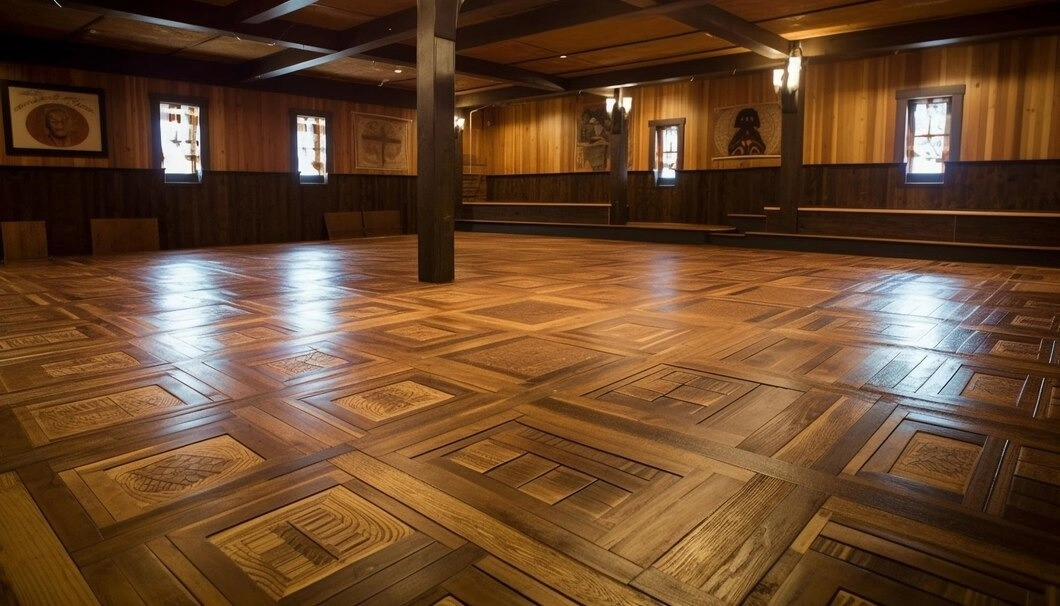
Hardwood flooring runs $8 to $23 per square foot installed in the Denver metro, and the biggest cost variable after wood species is whether the installer accounts for Colorado's dry, low-humidity air, which shrinks and expands wood more than most climates a national cost guide assumes. Skipping that step is the single most common reason Front Range hardwood floors develop visible gaps within the first winter.
| Flooring type | Material cost per sq ft | Installed cost per sq ft |
|---|---|---|
| Engineered hardwood | $3 to $10 | $6 to $14 |
| Solid oak | $3 to $8 | $8 to $16 |
| Solid maple | $6 to $11 | $10 to $18 |
| Solid hickory or exotic species | $8 to $15 | $13 to $23 |
A full cost breakdown of installing hardwood flooring shows how subfloor prep, room size and finish choice shift these numbers on a specific project.
Engineered hardwood handles Colorado's humidity swings better than solid wood because its layered construction resists the expansion and contraction that causes gapping and cupping. Solid hardwood still performs well above grade in a climate-controlled main level; engineered is the better choice in a basement, over radiant heat, or in a home with wide seasonal humidity swings.
Wood releases moisture into dry winter air and reabsorbs it during more humid summer weeks, and that cycle makes boards shrink slightly in winter and swell slightly in summer. Gaps that open in January and close by July are normal seasonal movement, not a defect; gaps that stay open year-round point to boards installed too dry or too wet at the start.
Yes, and this step matters more here than in a humid climate. Flooring should sit in the home for 3 to 7 days before installation so the wood reaches the same moisture level as the room it will live in; installing hardwood straight off a delivery truck in Colorado's dry air is the top cause of visible gapping the following winter.
Engineered hardwood is the standard choice over radiant heat because its layered core resists the temperature-driven expansion and contraction that solid wood struggles with directly above a heat source. Any hardwood over radiant heat needs the manufacturer's specific temperature limits followed closely, since exceeding them voids most warranties.
Yes, hardwood consistently ranks among the flooring types Denver metro buyers ask for by name in listing searches, and it appraises favorably compared with carpet in main living areas. Replacing worn carpet with hardwood in a kitchen, dining room or main-level living space is one of the more reliably recouped flooring upgrades before a sale.
Higher UV exposure at altitude can fade unprotected hardwood finish near south- and west-facing windows faster than in a lower-elevation home, showing as a visible color difference under a rug or furniture that has not moved in years. A UV-inhibiting finish and periodically rotating rugs limits this effect on sun-exposed rooms.
Engineered hardwood with a moisture-resistant core can go in a Front Range basement; solid hardwood is a poor choice below grade because of moisture risk from the ground and from occasional sump pump or window well water intrusion. Have a contractor test for moisture before installing any wood product in a basement, regardless of type.
A single room takes 1 to 2 days including acclimation and finish drying time; a full main level of 1,000 to 1,500 square feet takes 5 to 10 days for a licensed crew. Refinishing existing hardwood instead of replacing it takes 3 to 5 days, most of it dust-free sanding and multiple coats of finish drying between passes.
Oak runs $3 to $8 per square foot in material, maple $6 to $11, and hickory or other dense exotic species $8 to $15. Labor cost stays roughly the same across species; the material spread is what drives most of the difference in a Denver metro quote from one species to another.
Yes. Running a whole-house humidifier to keep indoor relative humidity between 30% and 50% through the winter heating season reduces the amount a hardwood floor shrinks and limits visible gapping. This single step does more to protect a Front Range hardwood investment than any finish or sealant choice.
Refinish when the existing hardwood is solid wood with enough wear layer left to sand, which most original hardwood in homes built before 1990 has; a refinish runs $3 to $8 per square foot and removes scratches, dated stain color and uneven wear. Replace only when boards are cupped, water-damaged, or engineered with too thin a wear layer to sand.
Older Front Range homes, particularly those built on expansive clay soil that has shifted over decades, sometimes need subfloor leveling before hardwood installation, which adds $2 to $5 per square foot to the project. A contractor who hires a flooring professional to assess the subfloor before ordering material avoids the more expensive problem of pulling up freshly installed flooring to fix a leveling issue found afterward.
No, a straightforward flooring replacement or new installation over an existing subfloor does not require a permit in Denver or most Front Range cities, since it is a cosmetic and non-structural change. Subfloor repair involving structural framing is the exception and should be reviewed with the local building department.
Hardwood outperforms carpet for durability and buyer appeal but requires more climate management than tile or luxury vinyl plank, both of which ignore humidity swings entirely. Regular maintenance of hardwood, including humidity control and prompt spill cleanup, keeps a Front Range floor performing well for decades.
The Kenna Real Estate Group helps Front Range sellers decide whether refinishing or replacing hardwood pays off before listing, and helps buyers factor flooring condition into an offer. Ask for the printable pre-listing flooring checklist in the form below and we email it the same day. Call or text 303-955-4220. A live person answers. Not a robot, not a phone tree. Ready to see what is already on the market? Search every home for sale in Colorado.
Questions about any home in Colorado? Call or text 303-955-4220. A live person answers.
Colorado's dry winter air pulls moisture out of the wood, causing boards to shrink slightly and gaps to open; the gaps close again as summer humidity returns, which is normal seasonal movement, not a defect.
Engineered hardwood resists humidity-driven expansion and contraction better than solid wood, making it the better choice for a basement, over radiant heat, or anywhere humidity swings widely.
$3 to $8 per square foot for a standard sand-and-refinish, far less than full replacement when the existing wood has enough wear layer left.
Yes, keeping indoor relative humidity between 30% and 50% through winter significantly reduces board shrinkage and visible gapping compared to running the furnace with no humidity control.
Engineered hardwood with a moisture-resistant core can go in a basement after a moisture test; solid hardwood is a poor choice below grade due to ground moisture risk.
3 to 7 days inside the home at normal living conditions before installation, which matters more in Colorado's dry climate than in most other states.
Hickory is the hardest common species and resists dents well; white oak is the more commonly chosen stable middle-ground option for most remodels.
No for a standard replacement over an existing subfloor; only structural subfloor repair needs review with the local building department.


