New - 15 Hours Ago

$589,000
Active
3
Beds
3
Baths
1840
Sqft
0.1
Acres
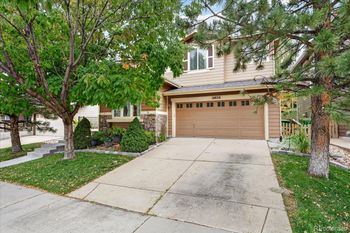
9871 Castle Ridge Cir, Highlands Ranch, CO 80129
MLS#: 3401044
.jpg)


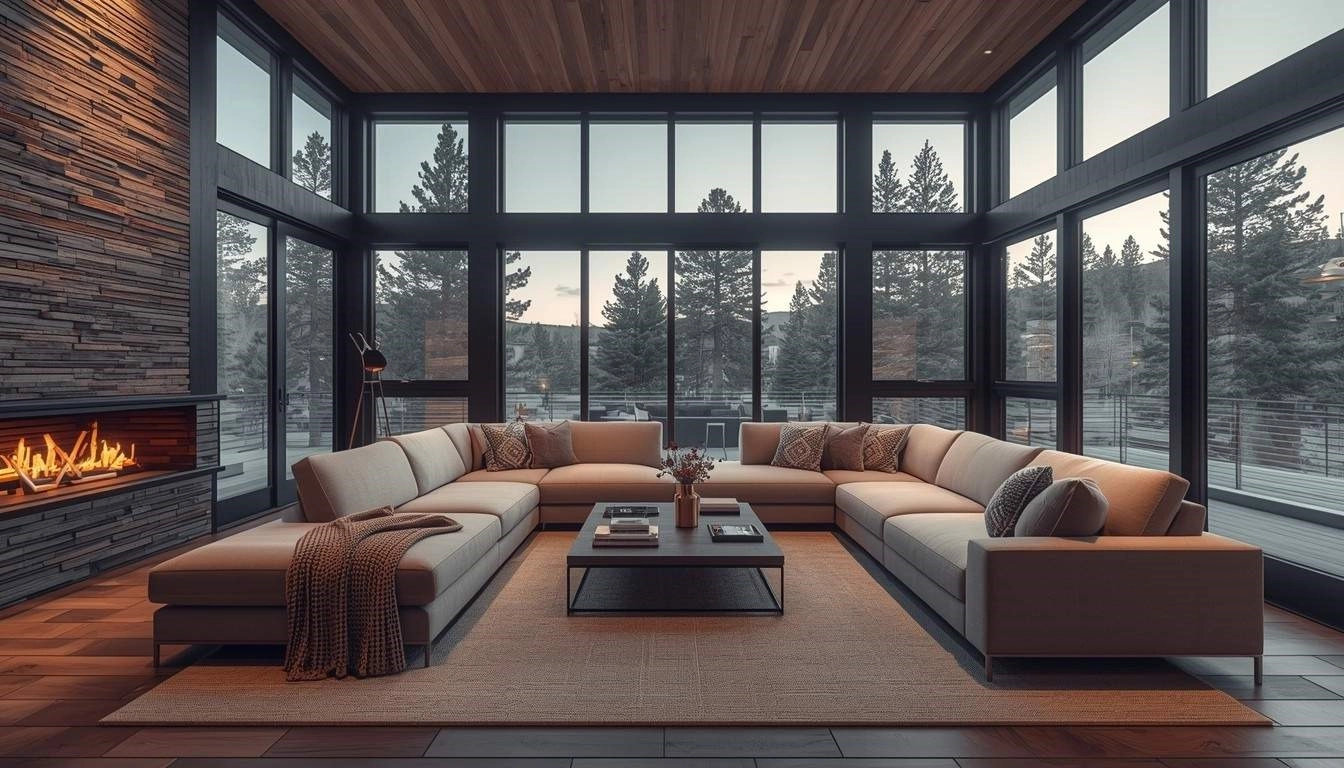
Backrest height decides whether a deep seat sofa reads as a cozy anchor or an oversized obstacle in a Front Range living room. Colorado's living rooms run a wide range, from a 900-square-foot Denver bungalow to an open-concept great room in Highlands Ranch or Parker with 10-foot ceilings and mountain views through a wall of west-facing glass, and the right backrest height depends entirely on which one a homeowner is furnishing.
A deep seat sofa (seat depth of 24 to 28 inches, versus 20 to 22 inches on a standard sofa) needs a taller backrest to keep proportions right, commonly 34 to 38 inches from the floor. In a room with an 8-foot ceiling, common in older Denver neighborhoods like Berkeley and Sunnyside, a backrest at the lower end of that range keeps the sofa from visually crowding the space. In a great room with 9 to 10-foot ceilings and larger window walls, common in newer Castle Rock and Parker construction, a taller backrest closer to 38 inches balances the vertical scale of the room instead of looking squat under the ceiling height.
Denver averages close to 300 days of sunshine a year, and at 5,280 feet the UV index runs meaningfully higher than at sea level for the same sun angle. A sofa placed against a south- or west-facing window without UV-blocking window film will show visible fading within 12 to 18 months on darker fabrics and leathers, and the fade line where a throw pillow or arm cover blocked the light becomes obvious the moment the piece is rearranged. Homeowners staging a home for sale should either angle the sofa out of direct afternoon sun or add UV window film before listing photos, since fade lines show up clearly on camera.
Indoor humidity on the Front Range sits in the teens to twenties during the winter heating season, well below the 40 to 60 percent range leather stays supple in. Untreated leather sofas crack and stiffen faster in a Colorado living room than the same piece would in a humid climate, particularly on the arms and seat edges that get direct heat-vent airflow. A leather conditioner applied two to three times a year, and keeping the sofa a few feet from a floor register, slows the drying considerably.
A great room built around a view corridor, common in Lakewood's foothill-adjacent neighborhoods and much of Golden and Morrison, needs seating that doesn't compete with the window wall. An L-shaped deep seat sectional set perpendicular to the view, rather than facing it directly, keeps sightlines open from the kitchen and entry while still giving the room a furnished anchor. Oversized pieces in an open floor plan photograph smaller than they feel in person, so homeowners furnishing for eventual resale should err toward a piece that leaves clear floor space on at least two sides.
Buyers touring a Front Range home form an impression of room size within the first few seconds, and furniture scale drives that impression more than the room's actual square footage. A deep seat sofa that's too large for the room reads as "this room is small," even when the floor plan is generous; the right-scaled piece does the opposite. Listings with furniture proportioned to the room consistently photograph with more usable floor space in wide-angle MLS shots.
Performance fabrics (solution-dyed polyester or polyester-blend weaves) resist UV fading far better than natural fiber blends like linen or cotton velvet, which is a real consideration given the Front Range's sun exposure. For a sofa near south-facing windows, a performance fabric in a mid-tone color hides both fading and everyday wear better than a dark, natural-fiber option that shows fade lines within a year or two.
| Ceiling height | Recommended backrest height | Common in |
|---|---|---|
| 8 feet | 34 to 35 inches | Older Denver bungalows (Baker, Sunnyside, Platt Park) |
| 9 feet | 35 to 37 inches | 2000s-era Aurora, Centennial and Littleton construction |
| 10 feet+ | 37 to 40 inches | Newer great rooms in Castle Rock, Parker and Highlands Ranch |
It can, as long as the width is scaled down to match. A deep seat loveseat or a two-cushion sofa in the 66 to 72-inch range keeps the extra seat depth people want without overwhelming a 12-by-14-foot bungalow living room. Going deep and wide in a small room is the combination that makes a space feel cramped during a showing.
Sellers listing an occupied home in Denver, Aurora or Lakewood get better results in most cases keeping well-maintained furniture of the right scale rather than renting a full staging package, which runs $500 to $2,500 a month depending on square footage. A single well-chosen sofa swap, if the current one is oversized, worn or an unusual color, solves more of the "does this room look good" problem than a full staging rental.
Neutral mid-tones (warm gray, greige, soft taupe) photograph consistently well under both Colorado's strong natural light and the flash photography most listing photographers use, and they read as move-in ready to the widest range of buyers. Very dark or very saturated colors can photograph muddy in a well-lit Front Range living room, where natural light is rarely the limiting factor.
Denver metro water runs 7 to 15 grains per gallon, moderately hard to hard, which matters when spot-cleaning fabric at home: hard water can leave mineral rings on fabric that a soft-water rinse would not. Homeowners spot-cleaning a fabric sofa at home should use distilled water for the final rinse pass, particularly on lighter-colored performance fabrics.
For style direction on scale, arm shapes and backrest proportions before buying, many Front Range homeowners start with a browse through POVISON Furniture, then confirm final dimensions against the room before ordering.
A well-built deep seat sofa in a performance fabric runs $1,800 to $4,500 in the Denver metro, depending on frame construction and cushion fill; leather versions run higher, $2,500 to $6,000. Buying below that range means a softwood frame and lower-density foam in most cases, which loses shape within two to three years and matters for a piece meant to anchor a room through a full Front Range showing season and beyond. Homeowners furnishing for the long term, not just a single listing cycle, do better paying for a hardwood or engineered-hardwood frame up front.
The Kenna Real Estate Group at Keller Williams DTC advises Front Range sellers on furniture scale and staging as part of every listing walkthrough, so buyers see the room's real square footage instead of a piece that's fighting the space. Call or text 303-955-4220. A live person answers. Not a robot, not a phone tree. Ready to look at homes? Search every home for sale in Colorado.
Questions about any home in Colorado? Call or text 303-955-4220. A live person answers.
Most deep seat sofas run a 34 to 38-inch backrest, taller than a standard sofa's 30 to 33 inches, to keep proportions balanced against the deeper 24 to 28-inch seat.
Yes, faster than in most climates. Denver's roughly 300 sunny days a year and higher UV at 5,280 feet fade dark fabrics and leather within 12 to 18 months near unfiltered south- or west-facing windows.
Front Range winter indoor humidity drops into the teens to twenties, well below leather's ideal 40 to 60 percent range, which dries and cracks untreated leather faster than in humid climates.
Yes, if the width is scaled down. A deep seat loveseat or a 66 to 72-inch two-cushion sofa keeps the extra seat depth without overwhelming a smaller room.
Neutral mid-tones like warm gray or greige photograph most consistently under Colorado's strong natural light and appeal to the widest range of buyers.
For most occupied Denver metro listings, replacing one oversized or worn piece costs less and solves more than a full staging rental, which runs $500 to $2,500 a month.
Use distilled water for the final rinse pass when spot-cleaning. Denver metro tap water runs 7 to 15 grains per gallon and can leave mineral rings on fabric, especially lighter colors.