New - 3 Hours Ago
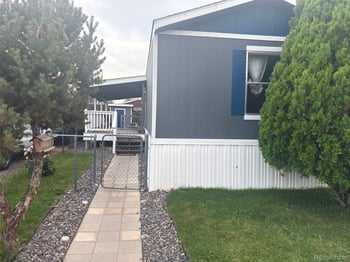
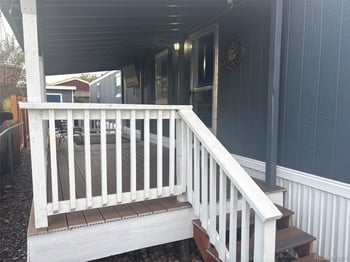
$90,000
Active
3
Beds
2
Baths
1216
Sqft
0.08
Acres
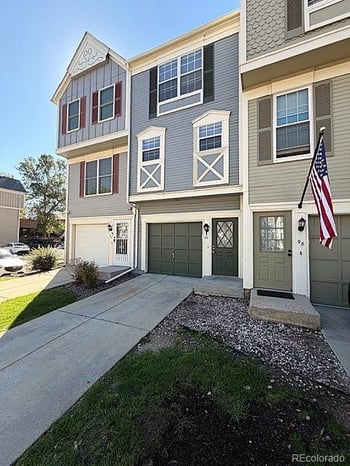
5102 E 96th Dr Lot 156, Denver, CO 80229
MLS#: REC9350823
.jpg)


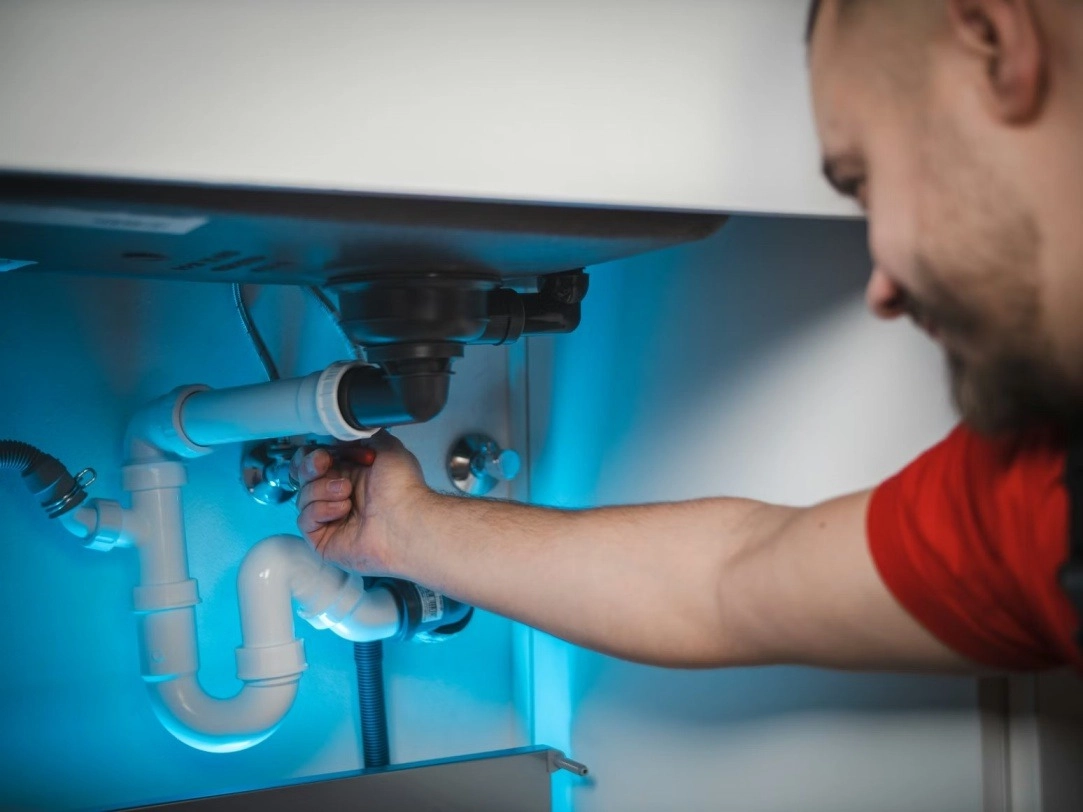
Plumbing problems that never show up in a walkthrough are the ones with the biggest chance of blowing up a Colorado closing: a cracked clay sewer line, a water line broken by shifting soil, or a water heater quietly failing from hard-water scale. Finding these before a buyer's inspector does keeps them from becoming a last-minute credit fight.
Sewer line cracks in pre-1970 clay pipe, water or sewer line breaks caused by expansive soil, and a water heater near the end of its life from hard-water scale cause more closing delays than any visible leak. Each one is invisible during a normal showing and only surfaces with a camera scope, a plumber's pressure test, or a failure at the worst possible time.
A sewer scope runs a small camera through the main sewer line to check for cracks, root intrusion and bellies (low spots where waste collects) before they cause a backup. It costs $150 to $400 in the Denver metro and is close to standard practice on any Front Range home built before 1970, where clay sewer pipe is common and root intrusion from mature trees is a routine finding.
Clay pipe was standard sewer material across Denver, Aurora and older Front Range neighborhoods until PVC became common in the 1970s. Clay pipe joints let tree roots in over decades, and the pipe itself cracks under the same soil movement that damages foundations. A home with mature trees near the sewer line's path carries a higher chance of root intrusion regardless of the home's overall condition.
Denver-area bentonite clay soil expands when it absorbs water and contracts as it dries, and that repeated movement puts stress on rigid pipe runs between the house and the street, especially at any joint. A water or sewer line that seemed fine for decades can crack after a wet spring or a dry, hot summer shifts the soil around it. This is the same soil behavior that causes foundation cracks and is covered in more detail in the Denver-area foundation problem guide.
Denver metro tap water runs moderately hard, and mineral scale builds up inside a water heater tank over years, reducing efficiency and shortening the unit's life. A tank that would otherwise last 10 to 12 years can fail closer to 8 in a home that never flushes the tank. An annual flush, a simple DIY task or a low-cost plumber visit, slows the buildup and extends the water heater's working life.
| Water heater type | Typical lifespan | Front Range replacement cost |
|---|---|---|
| Standard tank (40-50 gal) | 8 - 12 years | $1,400 - $2,800 |
| Tankless | 15 - 20 years | $3,000 - $5,500 |
Uninsulated pipes running through an exterior wall, a crawlspace or an unheated garage freeze during a hard Front Range cold snap, and a frozen pipe that cracks causes a flood the moment it thaws. Homes with a history of frozen pipes commonly share one issue: a gap in wall or crawlspace insulation that a plumber or an energy audit can pinpoint and seal before the next cold snap.
Water left in an in-ground sprinkler system freezes and cracks the pipes and valves once temperatures drop, so Front Range homeowners schedule a compressed-air blowout every fall, by mid-October and before the first hard freeze. A blowout costs $50 to $100 and is far cheaper than repairing a cracked backflow preventer or a split irrigation line discovered in spring. The Colorado winterizing guide to backflow preventers and sprinkler maintenance covers the full seasonal checklist.
A spot repair on a cracked clay line runs $1,000 to $4,000 depending on depth and access; a full trenchless sewer line replacement runs $6,000 to $15,000 across the Front Range, less than traditional dig-and-replace in most cases because it avoids tearing up the yard or driveway. A sewer scope before listing tells a seller which category they are dealing with before a buyer's inspector delivers the news.
Yes, a sewer or water line problem found during a buyer's inspection is one of the more serious items raised inside the inspection objection deadline, commonly 7 to 10 days after contract acceptance, because it affects habitability and repair cost more than a cosmetic item. A seller who has a sewer scope and plumbing evaluation done before listing enters that window already knowing the answer instead of negotiating blind.
Denver, Aurora, Colorado Springs and most Front Range cities require a plumbing permit for sewer line repair or replacement, water heater replacement, and any repiping work, with an inspection before the trench is closed or the work is finalized. A licensed plumbing contractor pulls the permit as part of the job; unpermitted sewer or water line work has to be disclosed to a buyer and can complicate financing.
A Smart Pricing Report factors known system condition into the recommended list price, and a documented, resolved sewer scope or water heater replacement removes uncertainty that would otherwise sit as a discount in a buyer's mind. Ask for the printable pre-listing plumbing checklist in the form below and we email it the same day.
Yes, on any Front Range home built before 1970 or with mature trees near the sewer line's path. A licensed plumbing contractor (you are free to use any provider) can complete the scope in under an hour, and the report either clears the line or gives the seller time to budget a repair before it becomes a closing deadline problem. A resolved plumbing issue, documented, leaves a Front Range home feeling well maintained to a buyer walking through it.
Ask for the age of the water heater, whether the sewer line has been scoped and when, and whether any past frozen-pipe or backup claims were filed with insurance. A buyer's agent can request a sewer scope as part of the inspection contingency on any home built before 1970, and the answer should come back before the inspection objection deadline closes rather than after.
The Kenna Real Estate Group helps Front Range sellers find hidden plumbing issues before a buyer's inspector does, and helps buyers put a sewer scope and plumbing evaluation into their offer strategy from the start. Call or text 303-955-4220. A live person answers. Not a robot, not a phone tree. Or search every home for sale in Colorado.
Questions about any home in Colorado? Call or text 303-955-4220. A live person answers.
A camera inspection of the main sewer line checking for cracks and root intrusion, costing $150 to $400 in the Denver metro.
Clay pipe was standard until PVC became common in the 1970s; its joints let tree roots in over decades, causing cracks and backups.
Denver-area bentonite clay expands when wet and contracts when dry, stressing rigid pipe runs and joints between the house and the street.
8 to 12 years for a standard tank, shortened by hard-water scale buildup without an annual flush; 15 to 20 years for a tankless unit.
Water left in the system freezes and cracks pipes and valves; a compressed-air blowout, done by mid-October, costs $50 to $100 and prevents that damage.
$1,000 to $4,000 for a spot repair, and $6,000 to $15,000 for a full trenchless replacement.
Yes, it is commonly raised inside the inspection objection deadline, 7 to 10 days after acceptance, because it affects habitability and repair cost.
Yes, on any home built before 1970 or with mature trees near the sewer line, so the seller knows the answer before a buyer's inspector does.