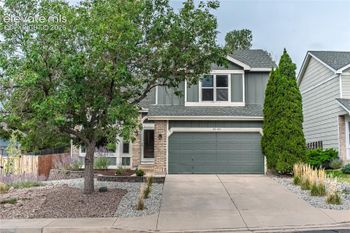
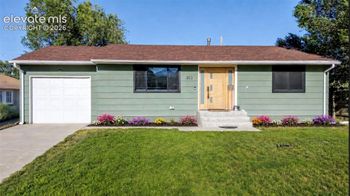
New - 3 Hours Ago
$362,950
Active
3
Beds
2
Baths
2682
Sqft
0.15
Acres
803 Tia Juana St, Colorado Springs, CO 80909
MLS#: 7002793
.jpg)


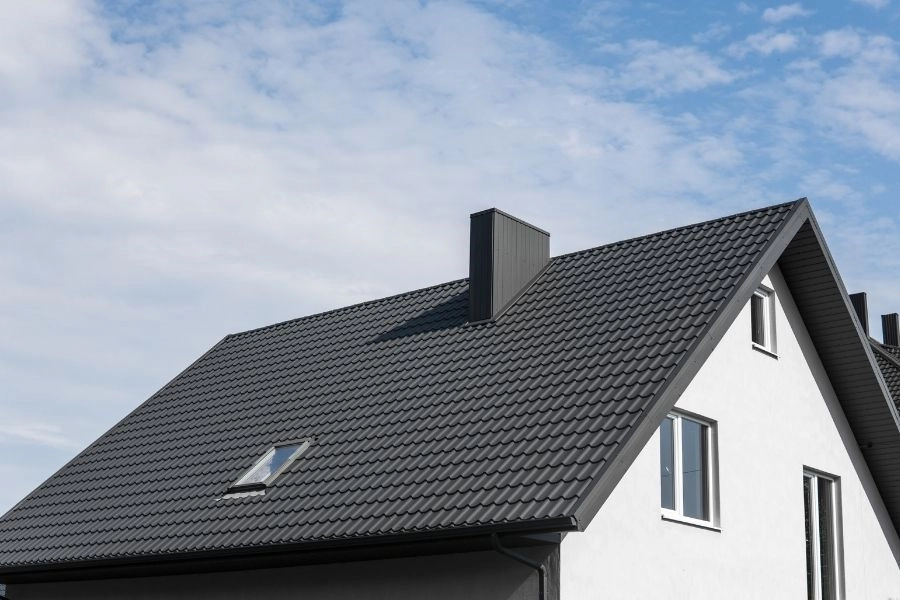
A maintenance task that gets ignored on a Front Range home rarely announces itself. A furnace filter clogs quietly, a roof flashing gap leaks only during a hard rain, and a water heater's anode rod corrodes away with no warning until the tank itself starts to fail. None of these show symptoms until the cost has already grown.
Six systems account for most of the "wish I had caught that sooner" repair calls across Denver, Aurora, and Colorado Springs: HVAC filters, roof flashing, weatherstripping, water heaters, garage door springs, and dryer vents. Each one is inexpensive to maintain and expensive to replace after failure.
Colorado's dust and pollen load, especially during cottonwood season and dry summer stretches, clogs a standard HVAC filter faster than in wetter climates. A filter that lasts 90 days in a humid region needs replacing every 30 to 60 days on the Front Range to keep a furnace or AC system running at full efficiency.
Flashing around a chimney, skylight or roof valley fails quietly, and Colorado's freeze-thaw cycle speeds up the process by driving water into any small gap and expanding it overnight. A visual roof check every spring, before hail season, catches lifted or cracked flashing while the fix is still a caulk-and-seal job instead of a full section replacement.
Gaps around windows and exterior doors let conditioned air escape, and Front Range temperature swings between a 60-degree afternoon and a 15-degree night make that loss show up directly on an Xcel Energy bill. Fresh weatherstripping and exterior caulk, done once a year, is one of the cheapest maintenance items that pays for itself in a single winter.
A water heater's anode rod corrodes on purpose, protecting the tank's steel lining from rust. Front Range water hardness accelerates that process, and a rod that is never checked leaves the tank itself to start rusting once the rod is gone. Checking the rod every two to three years, and flushing sediment annually, extends a tank's life well past its typical 10 to 12 years.
None of the six systems above cost much to maintain individually, which is exactly why they get ignored — each one feels too small to schedule around. Added together, a full year of the maintenance list above runs a few hundred dollars for a typical Front Range home. Ignored for three to five years, several of these systems reach the end of their working life at the same time, turning a spread-out maintenance budget into a single expensive season.
Cold temperatures make steel torsion springs brittle, and a spring that snaps under tension can cause real injury. An annual lubrication and tension check, done by a technician, catches a spring nearing the end of its cycle count before it fails on a sub-zero morning.
Lint buildup in a dryer vent is one of the more common causes of residential house fires nationally, and Colorado's dry air increases the static and lint accumulation inside a vent run. An annual professional cleaning, more frequently for a vent longer than 25 feet, keeps both the fire risk and the energy waste in check.
Intense UV at 5,280 feet breaks down exterior wood finishes faster than at sea level, and the same freeze-thaw cycle that stresses foundations dries and cracks unsealed wood fences and decks. Restaining exposed wood every one to two years, instead of the longer intervals common in milder climates, prevents a full rebuild.
Across Denver, Aurora, and Colorado Springs, the same handful of items show up repeatedly on inspection reports: a furnace or water heater near the end of its expected life, missing or damaged flashing, minor grading issues that direct water toward the foundation, and worn weatherstripping. None of these are deal-breakers on their own, but a report with several of them at once gives a buyer's agent more room to ask for a larger credit than any single item would justify.
A homeowner who works through the maintenance list above a season or two before listing walks into a showing with a shorter, cheaper list of open items — and a stronger position at the negotiating table.
An appraiser's condition rating accounts for visible upkeep, and a well-maintained home with documented recent service on its major systems supports a stronger comparable-sales argument than a similar home with visible deferred items. Keeping receipts for HVAC service, roof work, and water heater maintenance gives an appraiser and a buyer's lender something concrete to point to.
A one-page log listing each system, the last service date, and the technician or product used turns six scattered tasks into a single reference sheet. Keeping it in a shared drive or a printed folder near the utility room means it survives a change of homeowner, and it becomes one of the more persuasive documents a seller can hand a buyer's agent during a showing, alongside receipts for the bigger-ticket repairs.
Filter swaps, weatherstripping, and basic caulking are reasonable DIY tasks for most homeowners. Garage door spring tension, anode rod replacement, and any work involving a gas appliance's flame or venting belong to a licensed technician: a mistake on any of these can void a warranty or, in the case of a gas appliance, create a real hazard. A Front Range home warranty or a standing relationship with a local HVAC and plumbing company makes it easier to get these smaller jobs scheduled before they turn into an emergency call.
| Task | Cost to maintain | Cost after failure |
|---|---|---|
| HVAC filter changes | $60 to $150 a year | $300 to $800 coil cleaning or repair |
| Roof flashing check | $150 to $300 | $2,000 to $8,000 leak and drywall repair |
| Weatherstripping and caulk | $100 to $250 | Higher Xcel bills for years |
| Water heater anode rod | $150 to $250 | $1,500 to $2,500 early tank replacement |
| Dryer vent cleaning | $100 to $175 | Fire risk and $200+ in wasted energy a year |
The Kenna Real Estate Group helps Front Range homeowners weigh which maintenance items are worth fixing before a home goes on the market. Ask for the printable maintenance checklist in the form below and we email it the same day. Call or text 303-955-4220. A live person answers. Not a robot, not a phone tree. Or search every home for sale in Colorado.
Questions about any home in Colorado? Call or text 303-955-4220. A live person answers.
Every 30 to 60 days during dust and pollen season, compared with up to 90 days in wetter climates, because of Colorado's dust and cottonwood pollen load.
Cold temperatures make steel torsion springs brittle, and a spring nearing the end of its cycle count is more prone to snap on a sub-zero morning without a yearly tension check.
Once a year for most homes, more frequently for a vent run longer than 25 feet, since dry air increases static and lint buildup inside the duct.
Yes. Intense UV at 5,280 feet breaks down exterior wood finishes faster than at sea level, which is why Front Range decks and fences need restaining every one to two years.
Two to three years is a reasonable check interval on the Front Range, since local water hardness speeds up the corrosion the rod is designed to absorb.
Yes. Front Range temperature swings between warm afternoons and cold nights make air leaks around doors and windows show up directly on an Xcel Energy bill.
Lifted or cracked flashing around chimneys, skylights and roof valleys, before hail season starts, while the fix is still a caulk-and-seal repair.