New - Just Now
$2,390,000
Active
2
Beds
3
Baths
1988
Sqft
3.01
Acres
1901 Wazee St #1007, Denver, CO 80202
MLS#: RECIR1069681
.jpg)


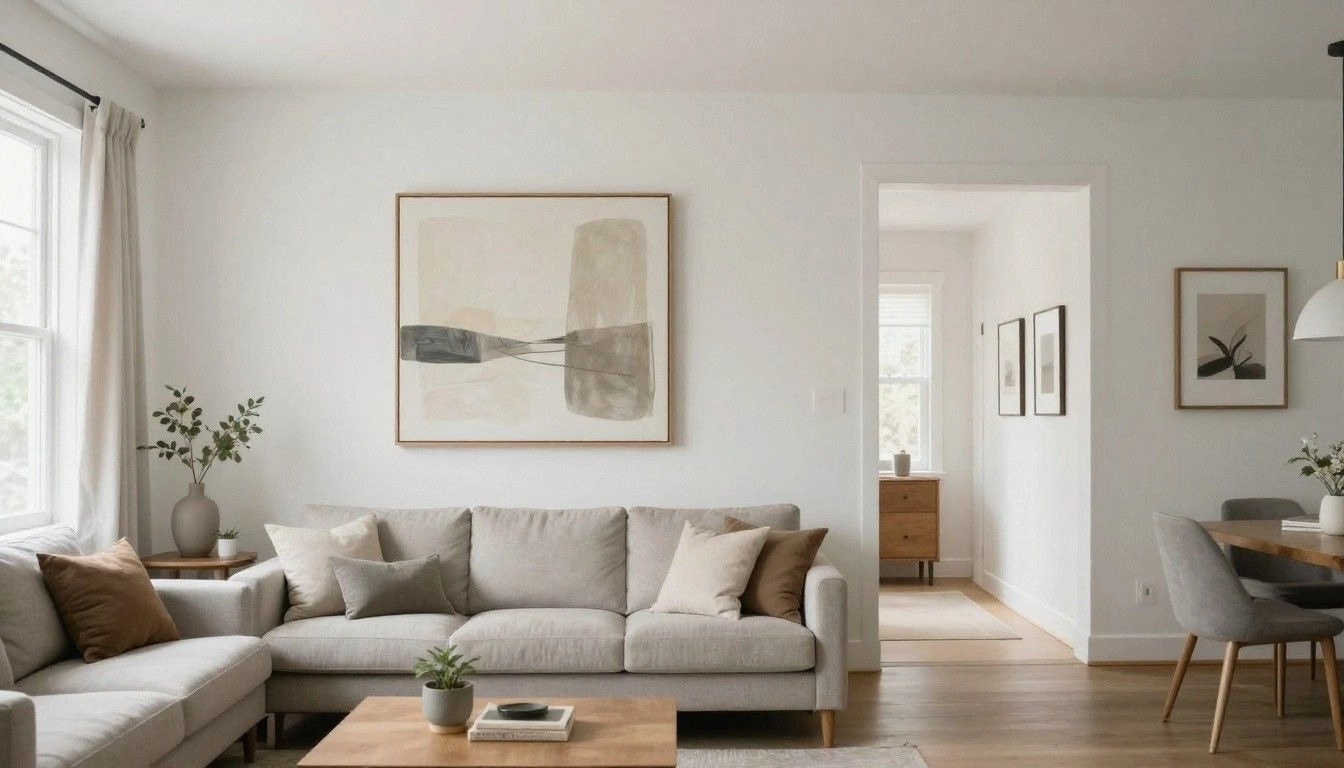
Listing photos sell a Front Range home before a single buyer walks through the door, and bare or cluttered walls read as unfinished in every photo taken of them. The right wall art, in the right spot, at the right scale, fills a room without competing with the space itself, and it is one of the least expensive staging decisions a Colorado seller makes before the photographer arrives.
Yes, indirectly. Wall art does not sell a home on its own, but a room that photographs as finished, warm and proportionate gets more online clicks and more in-person showings than a room that photographs as bare or visually cluttered. On the Front Range, where buyers scroll dozens of Denver metro listings before booking a showing, that first photo impression decides whether a home makes the short list.
Remove anything with strong personal or religious significance, political or sports-team messaging, and any piece with a busy pattern that competes with the room's furniture in photos. A gallery wall of family photos is the single most common item Front Range stagers ask sellers to pack away before the first showing.
Colorado's roughly 300 days of sun a year and intense UV at 5,280 feet mean interior photography deals with strong contrast between a sunlit window and a shaded interior wall on most days of the year. Matte-finish art with muted tones photographs more evenly under that light than a glossy print, which can create a glare spot in a listing photo taken midday.
| Option | Cost per room | Ownership after listing |
|---|---|---|
| Canvas photo print, buy | $40 to $150 | Keeps the piece |
| Professional stager, rented art | $150 to $400 per month | Returned at closing |
| Original or gallery art, buy | $200 to $1,000+ | Keeps the piece |
A photo canvas print is one of the lowest-cost ways to fill a large blank wall for listing photos without committing to a full staging rental contract.
Center the largest piece over the sofa, the bed, or a fireplace mantel, the three focal points a listing photographer frames first in each room, in nearly every case. Scale the piece to roughly two-thirds the width of the furniture below it; art that is too small over a large sofa reads as an afterthought in photos.
Yes, nearly always. Family photos and personal memorabilia make it harder for a buyer to picture the home as their own, and they are the single item staging consultants across the Denver metro ask sellers to remove most consistently before photography.
A completely bare wall in a main living space photographs as unfinished, while a wall with too many small items photographs as cluttered. One well-scaled piece, or a simple grouping of two to three pieces at consistent spacing, is the balance that reads as finished without competing with the room.
For a standard sofa, a single canvas 36 to 48 inches wide fills the space correctly; for a queen or king bed, 40 to 60 inches wide centered above the headboard reads proportionate in photos. Undersized art is the most common staging mistake Front Range sellers make on their own before hiring help.
A moderate contrast between art and wall color reads best in listing photography; art that closely matches the wall disappears in photos, and art that clashes sharply pulls attention away from the room itself. Neutral walls paired with a single muted-tone statement piece give a camera the most flattering result.
Higher-altitude sunlight carries a cooler, bluer color temperature than sea-level daylight, which can shift how warm-toned art and furniture read in a photo taken near a window. A photographer who shoots Front Range listings regularly adjusts white balance for this; sellers choosing their own art should lean toward warm, muted tones to balance that cooler natural light.
Virtual staging can add furniture and art digitally to an empty room's listing photos, which works well for a vacant home, but it cannot fix an occupied home's actual walls during in-person showings. A seller staying in the home through the sale still needs real wall art staged correctly for the showings virtual staging cannot replace.
The living room, primary bedroom and entry benefit the most, since those rooms appear first in listing photo order and get the most in-person foot traffic during a showing. Secondary bedrooms and bathrooms can stay simpler, with a single small piece or none at all.
More than three to four wall pieces in a single room, outside of an intentional gallery grouping with consistent spacing, reads as cluttered in a photo, in the large majority of rooms. When in doubt before a shoot, remove pieces rather than add them; a photographer can always suggest adding one item back for a specific angle.
Buy inexpensive canvas prints for a home that will stay occupied through the sale and where the seller wants to keep or reuse the pieces afterward. Rent from a professional stager for a vacant, higher-price-point listing where a full furnished staging package supports a stronger asking price.
Yes. In a fast-moving seller's market, buyers overlook minor staging gaps because inventory is thin and competition is high. When Denver metro inventory sits longer and buyers have more listings to compare, small details like proportionate wall art, even lighting and a decluttered gallery wall separate a listing that gets an offer in the first two weeks from one that lingers.
The Kenna Real Estate Group walks Front Range sellers room by room through what to hang, what to pack away, and where the listing photographer should focus before the shoot. Ask for the printable pre-photo staging checklist in the form below and we email it the same day. Call or text 303-955-4220. A live person answers. Not a robot, not a phone tree. Ready to see what is already on the market? Search every home for sale in Colorado.
Questions about any home in Colorado? Call or text 303-955-4220. A live person answers.
A single canvas 36 to 48 inches wide centered over the sofa fills the space proportionately for most Front Range living rooms.
Yes, family photos and personal memorabilia are the most commonly removed items in Front Range home staging, since they make it harder for buyers to picture the space as their own.
A photo canvas print runs $40 to $150 depending on size, a low-cost way to fill a large blank wall before listing photos.
Yes, matte-finish art in warm, muted tones balances Colorado's cooler, high-altitude natural light better than glossy prints or cool-toned pieces.
Virtual staging works well for empty rooms in listing photos, but a home that stays occupied through in-person showings still needs real staged wall art.
Buy inexpensive canvas prints for an occupied home you want to keep decorating afterward; rent from a professional stager for a vacant, higher-price-point listing.
Three to four pieces at most, outside of an intentional gallery grouping with consistent spacing; more than that reads as cluttered in nearly every listing photo.
The living room, primary bedroom and entry matter most, since those rooms appear first in listing photo order and get the most in-person foot traffic.