New - 30 Mins Ago
.jpg)


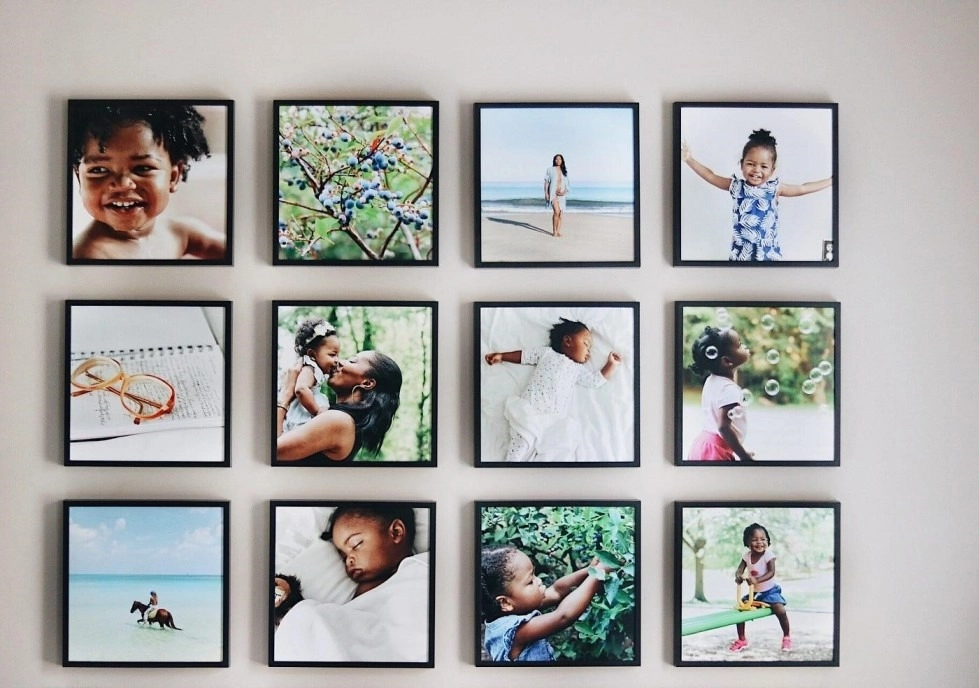
Blank walls are one of the fastest things buyers notice on a showing, and one of the cheapest to fix. In the Front Range's dry, high-UV climate, wall art also needs a little more care than it would in a humid or low-light market: canvas, frames, and adhesives all react differently at 5,280 feet than they do at sea level.
A single canvas looks small on the great-room walls common in newer Front Range construction, where 10- to 12-foot ceilings are standard. Layering two or three canvases of different sizes, with the largest anchoring the group and smaller pieces overlapping its edge, fills the wall without one oversized piece dominating the room. Leave 2 to 3 inches between overlapping frames so the layering reads as intentional, not crowded.
A 10- or 12-foot ceiling changes where the eye lands on a wall grouping. Center the main cluster at standard eye level, around 57 to 60 inches from the floor to the piece's center, rather than centering it on the full wall height. A grouping centered too high to match a tall ceiling reads awkward from where people actually stand and sit in the room.
Pick one or two accent colors already in the room, a rug, throw pillows, a piece of furniture, and pull those tones into the wall art rather than matching the art to the wall paint exactly. A too-literal match reads flat in photos; a color echo reads intentional.
Combining a canvas print with a framed piece, a woven textile, or a small shelf breaks up a wall that would otherwise be all one material. This works especially well in mountain modern interiors, where natural materials like wood and woven fiber are already part of the design language.
Relative humidity in Front Range homes runs 20 to 30% during heating season, well below what canvas and wood frames are built for. Canvas loosens on its stretcher bars over time in very dry air, and wood frames develop small gaps at the joints. Running a humidifier in rooms with valuable art, and avoiding placement directly above a forced-air vent, extends the life of both.
UV intensity at 5,280 feet is measurably higher than at sea level, and Colorado's nearly 300 sunny days a year mean most rooms get significant direct light. Hang canvas and framed prints away from south- and west-facing windows, or use UV-filtering glass and window film if the wall placement can't be avoided. Colors fade unevenly when only part of a piece gets direct sun, which shows up faster than most homeowners expect.
Yes, when it's used to guide the eye rather than fill space. Staged homes with intentional wall groupings photograph better for listing photos, and empty or cluttered walls are one of the most common notes buyers' agents give after a showing. See more staging-specific placement guidance in Home staging wall art: what to hang and where to photograph better.
Family photos and highly personal pieces should come down before listing so buyers can picture their own life in the space; neutral canvas groupings and landscape or abstract pieces stay in place and help a room feel finished rather than staged-empty.
Anchor a wall grouping to a piece of furniture below it, a sofa, console table, or bed, rather than centering it on the wall itself. The full grouping, art and furniture together, should span roughly two-thirds to three-quarters of the furniture's width for the room to photograph as intentionally composed rather than randomly decorated.
| Wall Space | Recommended Canvas Size | Typical Setting |
|---|---|---|
| Above a standard sofa | Two-thirds the sofa's width | Most Front Range living rooms |
| Great room with 10-12 ft ceilings | Cluster of 2 to 3 pieces, largest 36 to 48 in | Newer south metro construction |
| Stairwell or narrow hallway | Vertical grid, 12 to 18 in pieces | Two-story Denver metro homes |
Swapping pieces between a bright south-facing room and a shaded interior hallway every year or two spreads UV exposure across a full collection rather than concentrating fade damage on whatever happens to hang in the sunniest room. This costs nothing beyond the time to rehang, and it extends the usable life of a print collection built up over several years in a Colorado home.
Newly built or freshly painted drywall should cure for the time the builder or painter recommends before hanging heavy framed pieces, since anchors set into uncured drywall or fresh texture can loosen. Homebuyers moving into new construction in growth areas like RidgeGate or the south metro should wait before mounting heavier gallery walls.
Wrap canvas in acid-free paper before a moving blanket, never plastic wrap directly against the canvas, since trapped moisture can transfer to the surface. This matters most for anyone relocating to Colorado from a more humid climate, since the art needs to acclimate slowly to the drier air rather than being unwrapped and hung immediately. See the guide to moving to Denver for more on settling into a Front Range home.
Mountain modern interiors, common in new construction west of I-25 and in the foothills, pair naturally with landscape photography, abstract pieces in earth tones, and canvases with visible texture that echo the wood and stone already in the room. A single oversized statement piece over a stone fireplace reads better in this style than a small cluster, since the architecture already provides the layering through material contrast.
Older Denver homes with plaster walls need different hanging hardware than newer drywall construction; a standard picture hook rated for drywall pulls loose from plaster under the same weight. For anything over 15 pounds, locate a wall stud or use a toggle-style anchor rated for the wall material, and confirm the weight rating before hanging a large framed canvas above a bed or sofa where a fall creates both damage and a hazard to anyone underneath.
| Grouping Size | Typical Cost Range | Best Wall |
|---|---|---|
| Single statement canvas | $80 to $300 | Above a fireplace or headboard |
| 3-piece cluster | $150 to $500 | Living room or great room |
| Full gallery wall (6-10 pieces) | $300 to $900 | Stairwell or long hallway |
Whether you're staging a Front Range home to sell or settling art into a new house after a move to Colorado, the Kenna Real Estate Group can point you to the upgrades that actually help a listing show well. Call or text 303-955-4220. A live person answers. Not a robot, not a phone tree. Or search every home for sale in Colorado. Shop ready-to-hang canvas prints to start a wall grouping in your own home.
Questions about any home in Colorado? Call or text 303-955-4220. A live person answers.
Two to three pieces of varying size works best on a large Front Range great-room wall. One large anchor piece with one or two smaller overlapping prints reads as intentional rather than cluttered.
It loosens canvas on its stretcher bars and opens small gaps in wood frame joints over time, since indoor humidity runs 20 to 30% during heating season. A humidifier in the room slows this.
Avoid direct placement there when possible. UV intensity at 5,280 feet is higher than at sea level, and Colorado's nearly 300 sunny days a year fade unprotected art faster than in most other climates.
Yes. Intentional wall groupings photograph better for listings and address one of the most common notes buyers give after a showing: empty or cluttered walls.
Yes. Personal photos should come down so buyers can picture their own life in the space. Neutral canvas groupings and landscape or abstract art stay in place in most cases.
As a general guide, the art should span about two-thirds of the sofa's width so it reads as proportioned to the furniture below it.
Follow the builder's or painter's recommended cure time before mounting heavy framed pieces; anchors set into uncured drywall or fresh texture can loosen and fail.
Wrap it in acid-free paper before a moving blanket, not plastic wrap directly against the canvas, and let it acclimate to the drier indoor air for a day or two before hanging.