.jpg)


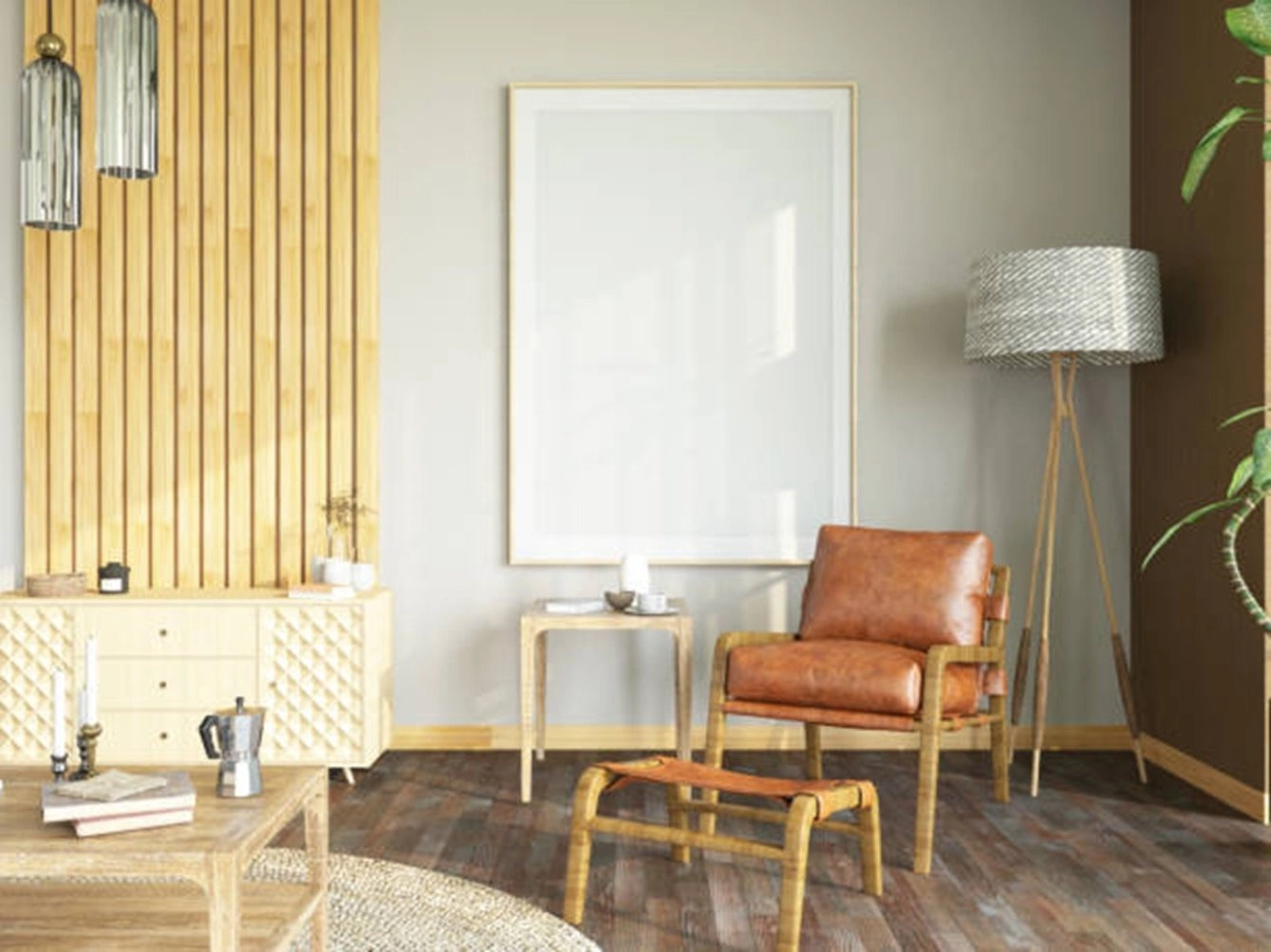
Wall art is the better choice for a Colorado home going on the market; wallpaper is the better long-term choice for an owner staying five or more years in a Denver metro home with the humidity control to keep seams tight. The two solve different problems, and confusing them costs a seller either showing appeal or a homeowner an early re-do.
Colorado's dry climate changes the math on wallpaper specifically, in a way that does not show up in national design guidance written for a more humid state.
Does wallpaper or wall art work better when selling a Colorado home?
Wall art wins for a listing because it is removable in minutes, lets a buyer picture the space in neutral form, and photographs consistently under any lighting setup. Wallpaper is a bolder, more personal choice that narrows the buyer pool during a showing, even when it is well installed.
How does Colorado's dry climate affect wallpaper installation and seams?
Colorado's low humidity, especially along the Front Range in winter, dries wallpaper paste faster than the installer's working window in a humid climate, which raises the odds of visible seams if the crew is not used to the local conditions. A professional installer familiar with Front Range homes adjusts paste type and working pace to account for this.
Does wallpaper affect how buyers view a Front Range home during a showing?
Yes. A patterned or bold-color wallpaper reads as a strong personal choice, and many buyers walking a Denver metro showing mentally price in the cost of removal even when the wallpaper itself is in good condition. Neutral interior walls, whether painted or lightly papered in a subtle texture, keep more buyers picturing their own furniture in the room.
How much does wallpaper installation cost in the Denver metro?
Professional wallpaper installation runs $3 to $12 per square foot depending on pattern complexity and wall prep, or roughly $400 to $1,200 for an average bedroom. Removal of old, non-strippable wallpaper runs $2 to $5 per square foot on top of that, since scraping and skim-coating damaged drywall takes real labor time.
Is peel-and-stick wallpaper a better bet in Colorado's dry air?
Peel-and-stick wallpaper avoids the paste-drying issue entirely, which makes it a lower-risk DIY option in Colorado's climate. It performs best on smooth, primed walls and in lower-traffic rooms; it is not the right choice for a textured wall or a room with direct, intense western sun exposure, which can loosen the adhesive over time.
Does removing old wallpaper before listing help a Colorado home sell faster?
Removing dated or bold wallpaper before listing and repainting in a neutral tone is one of the higher-return pre-sale projects on the Front Range, since it removes a specific objection buyers raise during a showing. Budget for drywall repair; wallpaper glue commonly takes a layer of paper or paint with it during removal.
What wall art choices photograph best under Colorado's bright natural light?
Colorado's close to 300 days of sun a year means most rooms get strong, direct natural light, which washes out low-contrast or glossy-framed art in listing photos. Matte-framed pieces with clear color contrast against the wall photograph more consistently across a listing's full photo set.
Do HOA rules ever apply to interior wall treatments?
Rarely. Interior finishes, including wallpaper and wall art, sit outside most Front Range HOA covenants, which focus on exterior appearance and shared structural elements. Check the specific declaration for a condo or townhome, since some attached-home associations do regulate shared or party walls.
Should a seller repaint over wallpaper instead of removing it?
Painting over wallpaper is possible with the right primer, but it is a short-term fix that risks bubbling if the wallpaper is not fully adhered, and a Colorado buyer's inspector can flag it as a cosmetic concern. Full removal costs more upfront but avoids a callback or a price reduction during negotiation.
What interior wall choice works best for resale in a Front Range listing?
A neutral, warm-toned paint color across the main living spaces, paired with a few well-placed cloud wallpaper or similar accent moments in a single low-traffic room, gives a Colorado home broad buyer appeal without feeling generic; you are free to use any wallpaper supplier for an accent wall.
Does static from dry Front Range winters affect vinyl wallpaper?
Static builds up on vinyl wallpaper faster in Colorado's low winter humidity than in a more humid state, which attracts dust to the surface between cleanings. A light, non-abrasive dusting every few weeks keeps a papered accent wall photographing cleanly for a listing, and a humidifier in the room during heating season cuts the static buildup at the source.
Does wallpaper affect how a Colorado home's condition reads on an appraisal?
Wallpaper itself is not an appraisal line item, but peeling seams, bubbling, or visible water staining behind paper reads as deferred maintenance and can support a lower condition rating. A well-maintained, professionally installed wallpaper in good repair does not count against the home.
Does a Front Range condo or townhome treat wallpaper differently than a single-family home?
The finish decision works the same way, but a smaller footprint makes the resale math sharper: a bold wallpaper choice in a compact condo living room narrows an already smaller buyer pool more than it does in a larger single-family home with more rooms to balance the look. Neutral walls with a single accent moment carry more weight in a condo-sized space for that reason.
| Option | Cost | Best fit for a Colorado listing |
|---|---|---|
| Removable wall art | $0-$500 per room | Any room going on the market; zero installation risk |
| Peel-and-stick wallpaper | $150-$500 per room DIY | Low-traffic accent wall, smooth primed surface |
| Professional pasted wallpaper | $400-$1,200 per room | Owner staying long-term, not planning to sell soon |
Where to go next
- Preparing and Adding Value Before Selling
- Showing Your Colorado Home to Buyers
- Boost Your Home's Value: How Wallpaper Can Help Sell Your Home Faster
- Home Staging Wall Art: What to Hang and Where to Photograph Better
- Search every home for sale in Colorado
Talk to the Kenna Real Estate Group
The Kenna Real Estate Group at Keller Williams DTC advises Front Range sellers on which interior finishes help a showing and which ones cost a buyer's confidence. Call or text 303-955-4220. A live person answers. Not a robot, not a phone tree. Or search every home for sale in Colorado.
Homes for sale that match this post
- Pool: guide
- Townhome: guide
- Condo: guide
- HOA Rules and Fees Guide in Denver
- Price reduction: guide
- All homes for sale in Denver
Guides
Questions about any home in Colorado? Call or text 303-955-4220. A live person answers.