.jpg)


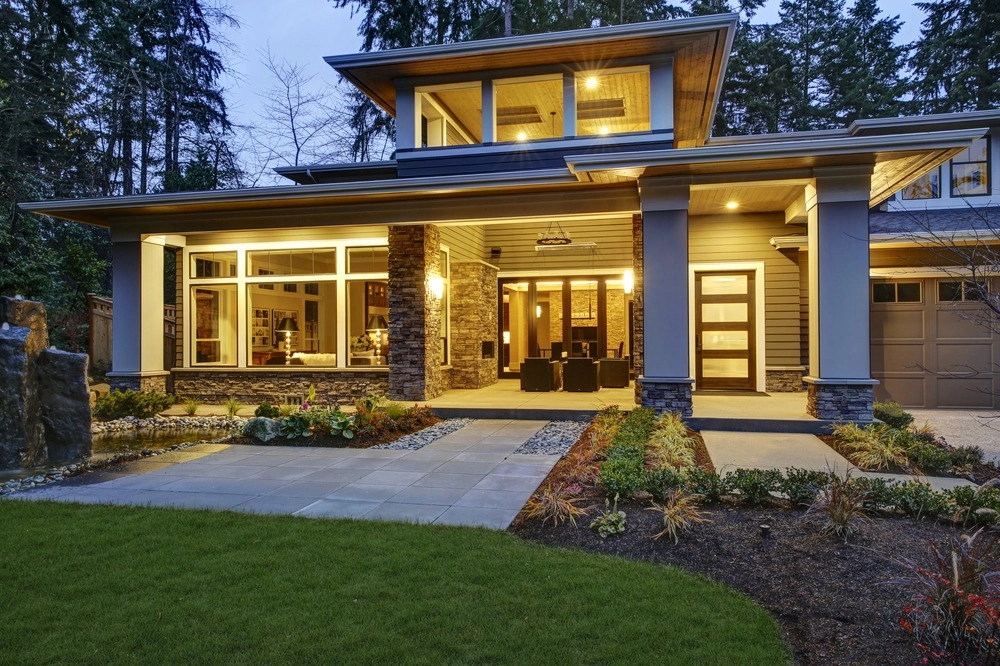
Denver and most Front Range cities allow a home-based business as long as it stays a secondary use of the home, does not add regular customer traffic, and does not require exterior changes that signal a commercial operation. A spare bedroom, a finished basement corner, or part of a garage all work, but the right layout depends on zoning, HOA rules, and how much internet and workspace the business needs.
Can I run a business from my home in Denver?
Yes, under Denver's home occupation rules, which permit a business run by residents of the home as long as it does not employ non-resident staff on site, generate significant vehicle or foot traffic, or use outdoor storage or signage visible from the street. Most consulting, freelance, online sales, and remote-work setups fall well within these limits without a permit.
Does Denver zoning restrict home-based businesses?
Denver's zoning code sets limits on square footage used for the business, parking impact, and signage, and some business types (like a salon with walk-in clients or a business needing hazardous materials storage) require a zoning permit or are not allowed in residential zones at all. A homeowner planning a business with in-home client visits should check the specific zone district before signing a lease or starting build-out.
Do HOAs restrict home-based businesses in Colorado?
Many Front Range HOAs add their own restrictions on top of city zoning, including limits on client visits, exterior signage, and commercial vehicle parking in the driveway or on the street. A buyer planning a home-based business should read the HOA covenants before making an offer in a community with an active HOA, since some communities prohibit any business use entirely.
What room works best for a home office in a Colorado house?
A spare bedroom with a door that closes works best for video calls and focused work, since it separates business noise and clutter from the rest of the home. A room with good natural light and a wall behind the desk for video call backgrounds works better day to day than a windowless basement corner, though a basement office wins on quiet and privacy.
Does a finished basement work for a home business in Denver?
Yes, and many Denver metro homes have basement square footage well suited to an office, especially homes built with an egress window that provides natural light and a legal second exit. A basement office should have its own heating and cooling zone or a supplemental unit, since basement temperatures run cooler than the main floor through a Colorado winter.
Do I need a permit to convert a garage into an office?
Yes, in nearly every Front Range city. Converting a garage into finished living or office space requires a building permit for insulation, electrical, and sometimes plumbing work, and the city or county building department confirms whether the conversion affects the home's parking requirement under local zoning. Skipping the permit creates a disclosure problem when the home is later sold.
Does a home office add resale value in Colorado?
A well-designed home office, particularly one with a door that closes and good natural light, is a feature Front Range buyers actively search for since remote and hybrid work became common. It rarely adds a specific dollar figure to an appraisal the way a bathroom or bedroom count does, but it shortens a listing's time on market when buyers are comparing similar homes.
What internet speeds are available across the Front Range?
Denver metro, Boulder, and Colorado Springs have strong fiber and cable coverage from multiple providers, with speeds well above what a typical home business needs for video calls and cloud-based work. Rural areas outside the metro core, including parts of unincorporated county land, have far more limited options, so a buyer planning a bandwidth-heavy home business should confirm provider coverage at a specific address before making an offer.
| Space option | Typical build-out cost | Best for |
|---|---|---|
| Spare bedroom conversion | $500 to $3,000 | Desk work, video calls, low renovation need |
| Finished basement office | $8,000 to $25,000 | Privacy, more square footage, permanent setup |
| Garage conversion | $15,000 to $40,000+ | Separate entrance, client meetings, larger build-out |
Should a home business have a separate entrance?
A separate entrance helps if the business receives occasional clients or deliveries, since it keeps that traffic away from the home's main living entrance. Garage conversions with a side door, and basement offices with a walkout or egress door, both work well for this without changing the home's main facade.
Do I need a business license to run a business from home in Colorado?
Most Colorado cities require a general business license regardless of whether the business operates from a home or a commercial location, and some cities add a specific home occupation permit on top of that. Requirements differ by city, so a homeowner should confirm with the specific city or county clerk's office before opening.
How much does it cost to build out a home office in Denver metro?
A simple spare-bedroom office with a desk, shelving, and better lighting costs $500 to $3,000, while a full basement or garage conversion with permits, insulation, and finished walls runs $8,000 to $40,000 depending on scope. Homeowners planning a business-focused build-out should get a permit-inclusive quote before starting, since unpermitted work has to be disclosed at resale.
Does remote work change what Front Range buyers look for?
Yes. Buyers relocating for remote or hybrid roles increasingly ask about a dedicated office space, reliable internet at the address, and quiet away from shared living areas, which has made a flexible extra room one of the more requested features in Denver metro listings over the past several years.
What Colorado cities are most flexible for home-based businesses?
Denver, Aurora, and most suburban Front Range cities allow low-impact home businesses with minimal restrictions, while some smaller HOA-governed communities and certain zone districts add tighter limits. A buyer planning a business with regular client visits should compare zoning and HOA rules across a shortlist of cities before choosing a neighborhood.
Should I use a spare bedroom or convert a garage for an office?
A spare bedroom is the faster, lower-cost option and works well for most solo or remote-work businesses. A garage conversion makes sense when a business needs more square footage, a separate entrance, or space for equipment that does not belong inside the main living area.
Does a home office need its own utility metering or address?
No, for the vast majority of home-based businesses permitted under home occupation rules, the office runs on the home's existing utilities and address. A business needing a separate commercial address for licensing or mail can use a registered agent or a virtual business address service instead of a home address.
Where to go next
- Work from home living in Denver
- Remote work buyers: Denver neighborhoods that balance space and connectivity
- Search every home for sale in Colorado
- Set up a personalized Colorado home search
- Colorado real estate investing guide
Talk to the Kenna Real Estate Group
The Kenna Real Estate Group helps Colorado buyers find a home with the right layout, internet access, and zoning for a home-based business before they write an offer. Call or text 303-955-4220. A live person answers. Not a robot, not a phone tree. Start the search today: search every home for sale in Colorado.