New - Just Now
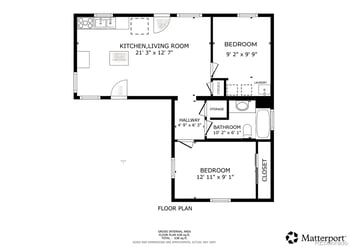
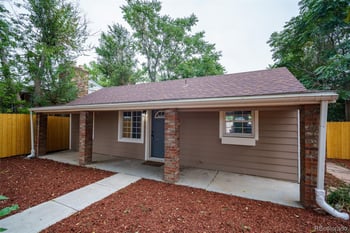
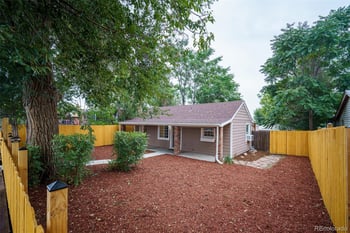
$400,000
Coming Soon
2
Beds
1
Baths
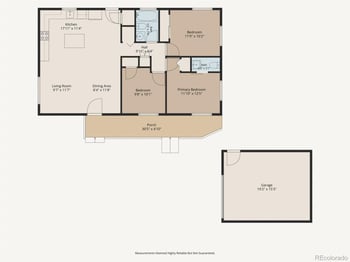
709
Sqft
0.14
Acres
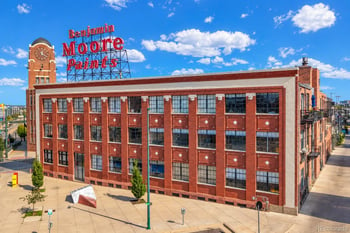
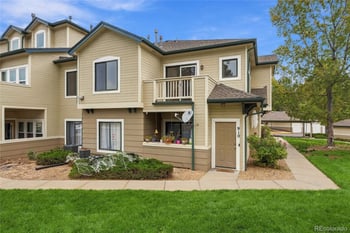
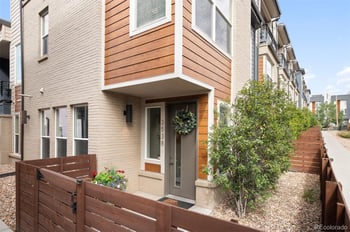
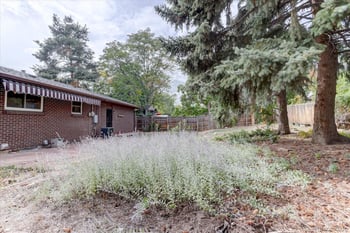
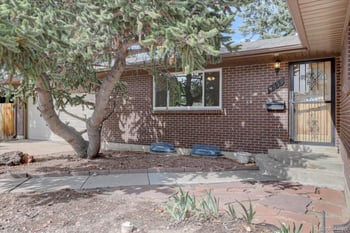
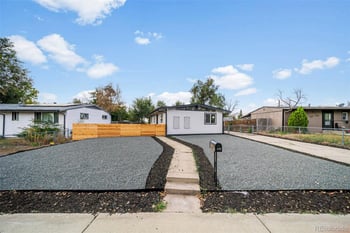
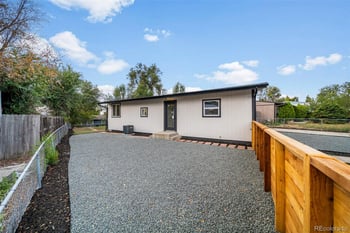
1240 S Navajo St, Denver, CO 80223
MLS#: REC6506849
.jpg)



Interior design affects comfort in a Colorado home through four levers: light, humidity, color, and layout, and each one behaves differently here than in a humid or overcast climate. A home tuned to Colorado's dry air and intense sun feels more comfortable to live in and photographs better for a sale.
A room feels comfortable when light, temperature, and layout work together instead of against each other. Colorado gets close to 300 days of sun a year, so a room with harsh afternoon glare and no window treatment feels less comfortable than one with layered light, even if both rooms are the same size and furnished similarly.
Colorado's indoor humidity sits in the 20 to 30 percent range during winter heating season, well below the 40 to 50 percent that wood furniture and cabinetry are built for, and that gap causes joints to loosen, veneer to crack, and hardwood floors to gap between boards. A humidifier sized for the home's square footage, or a whole-house humidifier tied to the furnace, protects both furniture and the home's finishes.
Yes, faster than in most states. UV exposure at 5,280 feet and above is stronger than at sea level, and south- and west-facing rooms with direct sun fade upholstery, rugs, and hardwood finishes within a few years without protection. UV-filtering window film or cellular shades in sun-heavy rooms slow that fading and protect the investment in furniture and flooring.
Layered lighting, ambient overhead, task lighting at counters and desks, and accent lighting on art or architectural features, reads as more comfortable than a single overhead fixture in every room. Warm-white bulbs (around 2700K to 3000K) suit living and bedroom spaces, while brighter, cooler bulbs (3500K to 4000K) work better in kitchens and home offices where task visibility matters more.
Yes. Warm neutrals photograph more consistently across a home's different light exposures than bold or dark colors, which is one reason light, warm-toned walls are common advice before listing a Colorado home. A single consistent neutral palette through connected rooms, entry, living room, and kitchen, makes a home look larger and more move-in ready in listing photos.
Many Denver bungalows and older homes in neighborhoods like Berkeley and Platt Park were built with smaller, separated rooms than buyers expect today, and opening a single non-structural wall between a kitchen and dining room does more for comfort and flow than a full remodel in many of these homes. A structural engineer should confirm which walls are load-bearing before any wall comes down.
A full redesign rarely pays back its cost at resale, but a focused refresh, paint, light fixtures, and decluttering, consistently improves how a home shows and how fast it sells. See the staging priorities on Kenna's adding-value guide before committing to a bigger renovation.
A paint, lighting, and staging refresh on an average Front Range home runs $2,000 to $6,000 depending on square footage and how much furniture needs replacing or rearranging for photos. A full kitchen or bathroom remodel costs far more and rarely returns its full cost dollar for dollar at resale.
| Update | Typical cost | Best for |
|---|---|---|
| Interior paint, whole home | $3,000 to $7,000 | Nearly every listing |
| Lighting fixture refresh | $500 to $2,000 | Dated kitchens and dining rooms |
| Professional staging (furnished) | $1,500 to $4,000 for 30 to 60 days | Vacant homes and higher price bands |
| UV window film, sun-heavy rooms | $400 to $1,200 | South and west-facing rooms |
A renovation budget that grows past a homeowner's ability to pay for it in cash sometimes leads to more debt than the project or the eventual sale can cover, and it is worth understanding the options before borrowing further against home equity. A consumer proposal or, in more serious cases, bankruptcy are formal paths worth understanding early, and a homeowner in that position should talk to a financial professional before a renovation debt becomes a bigger problem than the home improvement it paid for.
Front Range water runs harder than average, and mineral buildup on faucets, shower glass, and appliances dulls their finish faster than in a soft-water region. A water softener or regular descaling keeps fixtures looking newer for showings and protects appliances like dishwashers and water heaters from scale buildup over time.
Light, consistent wall colors, mirrors placed to reflect natural light, and furniture scaled to the room (rather than oversized pieces that crowd a small space) make a compact bungalow feel roomier without a structural change. Removing excess furniture before listing photos is the single highest-return step for a smaller home.
Engineered hardwood handles Colorado's humidity swings better than solid hardwood, since the layered construction resists the gapping and cupping that solid wood shows over a few dry winters. Luxury vinyl plank is a lower-cost, durable option for entries and mudrooms exposed to mag chloride tracked in from winter roads.
Most HOAs regulate only the exterior and shared spaces of a home, so interior paint, flooring, and fixture changes do not need approval in most communities. Structural changes in an attached condo or townhome, including plumbing and electrical work behind shared walls, require HOA or building sign-off before work starts.
Colorado's wildfire smoke season runs from summer into early fall and pushes fine particulate matter indoors through HVAC systems and open windows, which settles on fabric, blinds, and upholstery over repeated smoke events. A quality HVAC filter rated for smoke particulates and regular dusting of soft furnishings during smoke advisories protects both indoor air and the home's finishes.
A targeted refresh, paint and lighting, returns more of its cost at resale than a full remodel, because buyers respond to a clean, move-in-ready feel more than they pay a premium for specific finish choices they plan to replace anyway. Sellers deciding between a light refresh and a full renovation should talk to an agent about what buyers in their specific price band expect.
The Kenna Real Estate Group tells Colorado sellers exactly which interior updates buyers respond to in their specific neighborhood and price band, before a dollar is spent. Call or text 303-955-4220. A live person answers. Not a robot, not a phone tree. See what is already on the market: search every home for sale in Colorado.
Questions about any home in Colorado? Call or text 303-955-4220. A live person answers.
Indoor humidity drops to 20 to 30 percent during heating season, well below the 40 to 50 percent wood furniture is built for, which loosens joints and cracks finishes without a humidifier.
Yes. UV exposure at 5,280 feet and above is stronger than at sea level, and unprotected south- and west-facing rooms fade upholstery and flooring within a few years.
A single consistent warm-neutral palette through connected rooms photographs more evenly and makes a home look larger than a mix of bold colors room to room.
Most HOAs regulate exterior and shared spaces only, so interior paint and flooring changes do not need approval in most communities. Structural work in shared-wall units does.
Look at the options before borrowing further against home equity. A consumer proposal or bankruptcy are formal paths a financial professional can walk through if renovation debt becomes unmanageable.
Engineered hardwood handles Colorado's humidity swings better than solid hardwood, resisting the gapping and cupping solid wood shows after a few dry winters.
Front Range water runs harder than average, and mineral buildup dulls faucet and glass finishes faster than in a soft-water region unless softened or descaled regularly.