New - Just Now

.jpg)


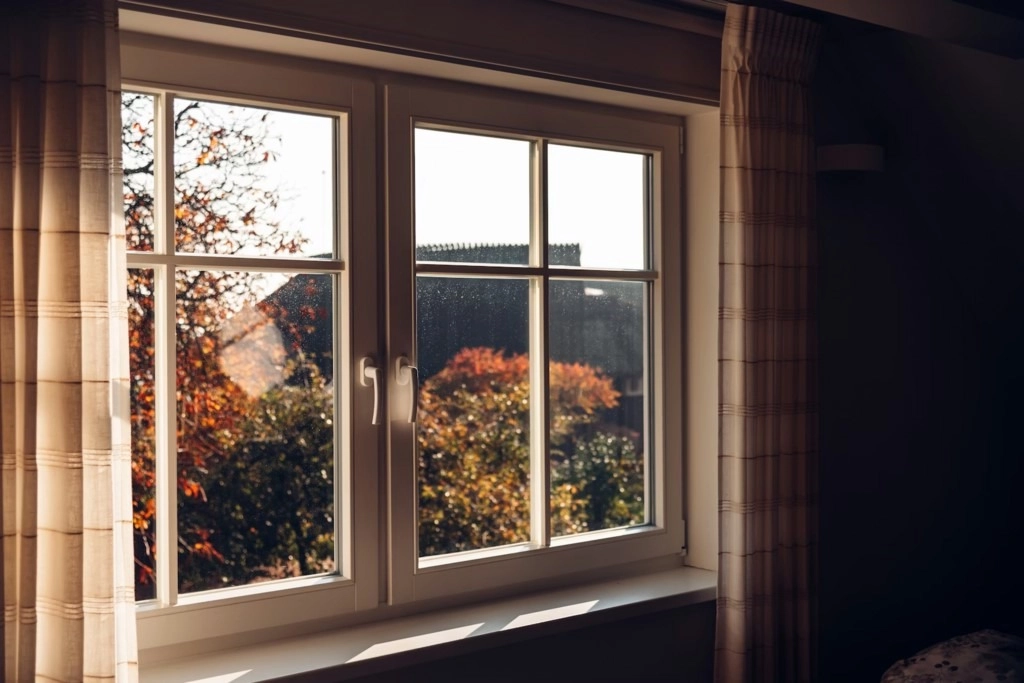
New windows in a Front Range home cut heat loss by roughly 30 to 50 percent compared to old single-pane glass, according to Department of Energy research on double-pane, low-E replacements, and that matters twice in Colorado: once on the winter heating bill, and again every time a spring or summer hailstorm hits a home still carrying its original single-pane windows.
Standard vinyl double-hung or casement windows run $500 to $1,000 installed per window in the Denver metro, with fiberglass and wood-clad options running $900 to $1,800 per window. A full-home replacement on an average 2,000-square-foot home with 15 to 20 windows lands between $9,000 and $25,000 depending on window count, material, and whether the frames need repair.
New windows are not itemized on an appraisal the way a kitchen remodel is, but they resolve a common inspection-period concern on homes built before the 1990s, where original single-pane or early double-pane windows show fogging, air leaks, or failed seals. A documented recent window replacement removes that objection and supports the lower utility costs shown on a seller's disclosure.
Most Front Range jurisdictions treat a like-for-like window replacement, same size opening, same wall, as permit-exempt or a simple over-the-counter permit. Replacing a window with a different size, adding a window to a wall, or changing a bedroom window to meet or maintain egress requirements requires a permit and inspection. Confirm the exact rule with your city or county building department before work starts, since thresholds vary.
Yes, in most Front Range communities. HOAs commonly restrict frame color, grid pattern, and sometimes glass tint on street-facing elevations to keep a subdivision's exterior consistent. Submit your window style and color choice to the HOA design review process before ordering, especially if you are changing from the original frame color or grid pattern.
A low-emissivity, or low-E, coating is a microscopically thin metallic layer on the glass that reflects infrared heat while letting visible light through. In Colorado's climate, a low-E coating keeps summer heat gain down during intense high-altitude sun exposure while still holding indoor heat in during cold, dry winters, which is a meaningful comfort and cost difference given the state's wide seasonal swing. The Department of Energy's guide on windows with low-E coatings covers how the rating system works.
Impact-rated glass, tested to a Class 4 hail-impact standard, resists cracking from hail sizes that shatter standard glass, which matters given Colorado's spring-through-September hail season and its position among the highest hail-frequency states in the country. Impact-rated windows cost more upfront than standard glass, 10 to 20 percent more per window in most cases, but reduce the chance of a mid-storm replacement.
Some Colorado insurers offer a discount or credit for impact-resistant windows, roofing, or siding, since it reduces the insurer's hail claim exposure. Discount availability and amount vary by carrier, so ask your insurance agent directly whether impact-rated glass qualifies for a premium reduction on your policy before assuming the upgrade pays for itself through insurance savings alone.
Denver's building energy code calls for a U-factor of 0.30 or better in most cases and pays attention to solar heat gain coefficient, or SHGC, balancing winter heat retention against summer heat gain given the intense high-altitude sun. A qualified installer will confirm the current code minimum for your specific jurisdiction, since energy code requirements are updated periodically.
Yes. Colorado follows versions of the International Residential Code requiring every bedroom to have an egress window meeting minimum net clear opening, width, height, and sill-height requirements, so occupants can exit and firefighters can enter in an emergency. Replacing a bedroom window with one that does not meet current egress dimensions is a common code violation flagged during a sale, particularly in finished basements.
Xcel Energy has offered rebates tied to qualifying high-efficiency window replacements as part of its broader home energy efficiency programs for Colorado customers. Rebate amounts and eligibility change by program year, so confirm the current offer directly with Xcel before finalizing your window order.
Single-pane windows and early double-pane units with failed seals are a major source of heat loss in Front Range homes built before the 1990s, and the Department of Energy estimates that replacing old, inefficient windows with low-E double-pane units cuts window-related heat loss by roughly 30 to 50 percent.
Vinyl handles Colorado's freeze-thaw and daily temperature swings well and dominates the market for cost and low maintenance. Fiberglass expands and contracts at closer to the same rate as glass, which some installers prefer for larger window units exposed to the state's wide swings. Wood-clad windows offer a traditional look suited to older or historic homes but need more maintenance against UV and moisture over time.
A whole-home window replacement with 15 to 20 windows takes 2 to 4 days for a professional crew, while a handful of windows can be completed in a single day. Custom or specialty shapes, and any frame repair discovered during removal, extend the timeline.
Double-pane windows with a wider air gap or laminated glass reduce sound transmission noticeably compared to old single-pane units, which matters during a hailstorm on a home with a lot of window area, and on any Front Range property near a busy corridor with regular wind gusts. Laminated glass, sometimes paired with impact ratings, offers the strongest noise reduction of the common options, and buyers touring a home during a windy showing notice the difference immediately.
Full replacement is a significant spend that rarely returns its full cost at resale, but replacing individual failed or fogged windows, and repairing or re-caulking others, addresses the specific issue a buyer's inspector flags most. See preparing and adding value before selling for how window repairs compare to other pre-listing spending.
The Kenna Real Estate Group helps Front Range sellers and buyers weigh which window issues are worth fixing now and which are a negotiating point instead. Call or text 303-955-4220. A live person answers. Not a robot, not a phone tree. See what is on the market now at search every home for sale in Colorado.
For installation, working with a regional specialist like Tom Adams Window & Door Company ensures the crew understands local code and egress requirements; you are free to use any licensed window installer in your area.
Questions about any home in Colorado? Call or text 303-955-4220. A live person answers.
Standard vinyl windows run $500 to $1,000 installed per window; fiberglass and wood-clad run $900 to $1,800. A full-home replacement totals $9,000 to $25,000.
A like-for-like replacement in the same opening is permit-exempt or a simple over-the-counter permit in most Front Range cities. Changing window size or a bedroom's egress dimensions requires a permit.
Yes. Class 4 impact-rated glass resists cracking from hail that shatters standard glass, which matters given Colorado's spring-through-September hail season and high hail frequency.
Some insurers offer a discount for impact-resistant windows, roofing, or siding since it reduces hail claim risk. Availability and amount vary by carrier, so confirm with your agent.
Most HOAs restrict frame color and grid pattern on street-facing elevations. Submit your choice to design review before ordering windows.
Yes. Every bedroom needs an egress window meeting minimum opening, width, height, and sill-height requirements, a common issue flagged in finished basements during a sale.
Xcel Energy has offered rebates for qualifying high-efficiency window replacements as part of its home energy programs. Amounts and eligibility change by year, so confirm the current offer directly.