New - 2 Hours Ago
.jpg)


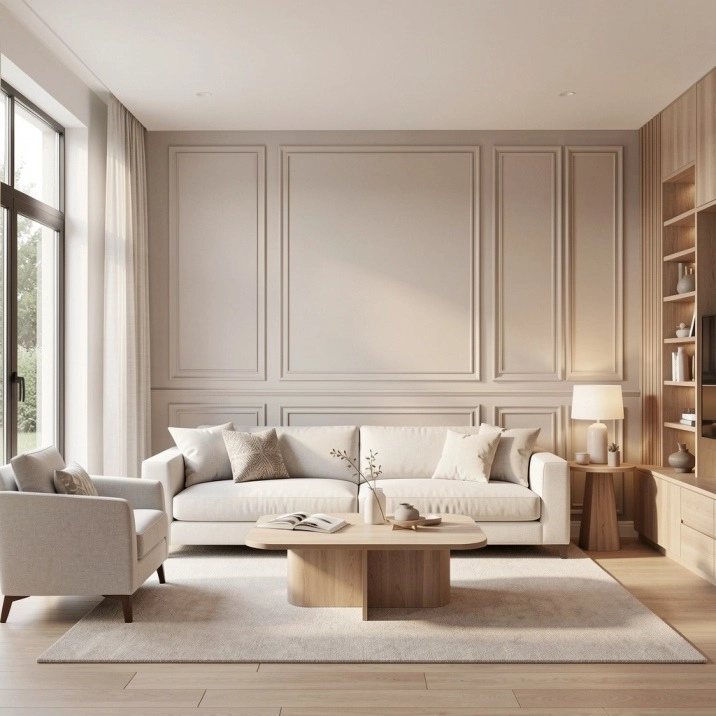
New-build Front Range homes come with clean architectural lines and efficient layouts, but that same simplicity can leave walls feeling plain compared with the detail found in older Denver housing stock. Ready-made panelling is a lower-cost way to add that missing character back into a new home, without the scope or cost of a full renovation.
Builders across the Front Range design new construction with smooth, minimal walls to keep build costs down and maintain a clean, contemporary look buyers expect in a new home. That approach photographs well and keeps a home easy to furnish, but it also means the architectural detail found in a 1920s Denver square or a craftsman bungalow, wainscoting, picture rails, coffered ceilings, is largely absent from a newly built floor plan.
Ready-made panelling comes pre-cut and pre-finished, ready to install directly onto an existing wall without the custom carpentry a traditional wainscoting project requires. The panels create raised lines, grid patterns, or textured surfaces that break up a flat wall and add real dimension to a room, all without altering the home's underlying structure.
Buyers respond to a home that feels finished and intentional, and small architectural details are a large part of what separates a home that photographs as "builder basic" from one that photographs as a higher-style build, without the cost of custom millwork. A feature wall in a primary bedroom or a panelled accent in a main living area gives listing photos a visual focal point that a plain wall does not.
Front Range humidity sits low for most of the year, and both solid wood and MDF panelling can develop gaps at the seams if installed without acclimating the material to the home's indoor humidity first. Let panelling sit inside the home for at least 48 hours before installation, and use a paintable, flexible caulk at the seams so small seasonal movement does not show as a visible crack.
A whole-home humidifier during the winter heating season protects panelling the same way it protects hardwood floors and wood trim, and it is a worthwhile investment for any Front Range home with significant wood or MDF millwork.
MDF panelling costs less, comes pre-primed and ready for paint, and resists the seasonal movement solid wood shows in Colorado's dry climate. Solid wood panelling costs more and shows real grain and texture, but it needs sealing and, in some cases, periodic refinishing to hold up over time. Most Front Range new-build applications use MDF for its cost and stability, reserving solid wood for a smaller statement feature such as a single accent wall.
Interior, non-structural wall panelling does not require a city or county building permit, since it does not alter the home's structure or systems. Confirm with your specific city or county building department if the project includes electrical work, such as moving an outlet or a light switch, since that portion of the job needs its own permit even when the panelling itself does not.
Because panelling is interior work, most Front Range HOAs do not require design review approval the way they would for an exterior change. Check your specific HOA's governing documents if you are uncertain.
Panelling has the most visual impact in rooms with a single clear focal wall: a primary bedroom headboard wall, a dining room accent wall, an entryway, or a home office. Hallways and living rooms also work well, particularly in the open floor plans common in new Front Range construction, where a panelled wall helps define a specific zone within a larger open space.
Ready-made panelling costs a fraction of custom-built wainscoting or coffered detail, since the panels arrive pre-cut and require only installation rather than on-site fabrication. A single accent wall in a bedroom or dining room is a project most homeowners complete in a weekend, compared with the multi-week timeline and higher labor cost of custom millwork.
Beyond the visual upgrade, panelling adds a layer of physical protection to walls in hallways, entryways, and family living spaces, areas that take the most wear from daily use. A panelled lower wall section resists scuffs and dents better than painted drywall alone, which matters over years of regular use in a busy household.
For the cleanest look, match the panelling's paint color and sheen to the room's existing baseboards and trim, or paint both the panelling and the trim the same fresh color as part of the project. A mismatch between crisp new panelling and older, yellowed trim draws attention to the difference rather than reading as a cohesive design choice.
For a homeowner preparing to sell a newly built Front Range home, a panelled accent wall in the primary bedroom or main living space is a low-cost, high-visibility upgrade that shows well in listing photos and in person. It is one of the few upgrades that adds character to a new-build home's interior without the cost or disruption of a structural renovation.
A single accent wall is a manageable weekend project for a homeowner comfortable with basic tools, a level, adhesive, and a finish nailer. A full room or a project involving outlet relocation, crown molding integration, or a curved wall is worth handing to a finish carpenter, since a poor cut line or an uneven reveal is far more visible on panelling than on a plain painted wall.
Get at least two quotes if you hire out the work, and ask each contractor to walk the specific wall with you before pricing the job, since panelling pricing depends heavily on wall condition, outlet count, and trim complexity.
A tone-on-tone finish, panelling painted the same color as the wall around it, reads as subtle and architectural rather than decorative, and pairs well with the neutral palettes common in Front Range resale listings. A contrasting color or a natural wood finish makes a stronger design statement, which works well for a single feature wall but can compete with a room's other finishes if used throughout a whole house.
The Kenna Real Estate Group tells Front Range sellers exactly which finishing touches, panelling included, are worth the cost before listing a new-build home, based on what buyers are responding to in your specific market right now. Call or text 303-955-4220. A live person answers. Not a robot, not a phone tree. Or search every home for sale in Colorado to see how new construction is showing today.
Questions about any home in Colorado? Call or text 303-955-4220. A live person answers.
Builders design new construction with smooth, minimal walls to control cost and keep a clean, contemporary look, which leaves out the architectural detail found in older Denver housing stock.
Panelling gives a room a visual focal point that shows well in listing photos and in person, which helps a new-build home read as finished rather than plain, though it is a presentation upgrade rather than a assured dollar-for-dollar return.
Panelling can show gaps at the seams if installed without acclimating to the home's indoor humidity first. Let panels sit inside for 48 hours before installing and use flexible caulk at the seams.
Interior, non-structural panelling does not require a permit, though related electrical work, such as moving an outlet, needs its own permit. Check with your specific city or county building department.
MDF costs less and resists Colorado's dry-climate movement better, making it the more common choice for full rooms. Solid wood shows real grain but needs sealing and works best as a smaller accent feature.
Rooms with one clear focal wall work best: a primary bedroom headboard wall, a dining room accent wall, an entryway, or a home office.
Most Front Range HOAs only review exterior changes, so interior panelling does not require design review approval in most cases. Checking your specific HOA's governing documents removes any doubt.
Yes, for the cost. A panelled accent wall is a low-cost, high-visibility upgrade that adds character to a new-build home's interior without the cost or disruption of a structural renovation.