New - 17 Hours Ago


.jpg)


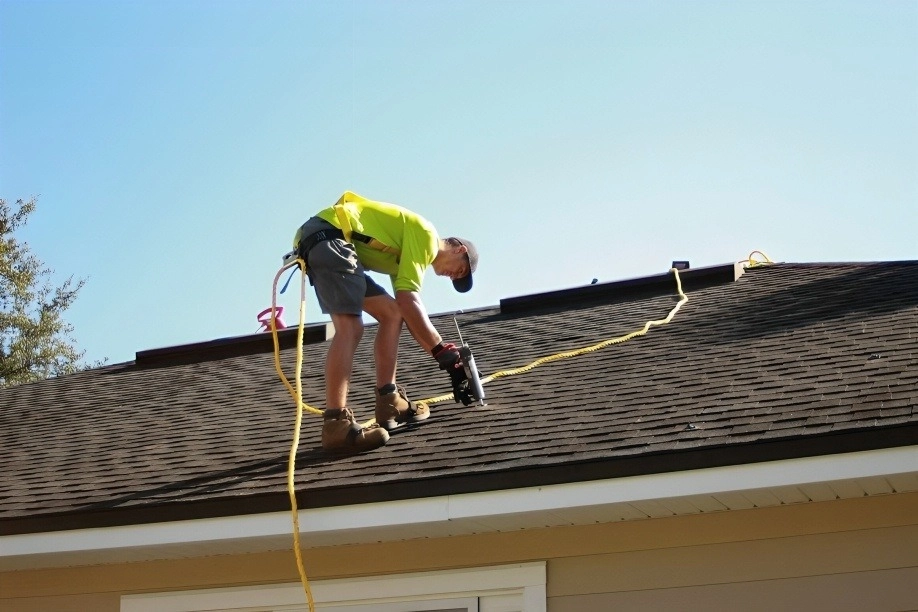
A commercial roof affects a Colorado property's value through three numbers a buyer or lender will check: remaining roof life, documented maintenance cost, and how the roofing system holds up to this state's hail and UV load. Weak numbers in any of the three lower what an investor will pay.
A roof nearing the end of its rated life is one of the fastest ways to shrink a buyer's offer or trigger a price reduction during due diligence. Commercial buyers and their lenders routinely commission a property condition assessment that weighs remaining roof life heavily, because a full commercial re-roof is one of the largest single capital expenses a new owner can face.
TPO and EPDM membrane roofs with a hail-resistant rating, and standing-seam or standing-rib metal systems, are the most common choices for Colorado commercial buildings because both resist puncture and denting better than older built-up or modified bitumen systems. Ask any roofer bidding a commercial metal roof repair for the specific hail rating of the material they're proposing.
Flat and low-slope commercial roofs take direct hail impact across the entire surface rather than shedding it the way a steep residential roof does, and standing water after a storm can find any weak seam faster. Regular post-storm inspection matters more on flat commercial roofs than on pitched residential ones.
Denver's elevation and roughly 300 sunny days a year accelerate UV degradation of membrane roofing compared with lower, cloudier markets. Reflective or white membrane surfaces slow this aging and reduce cooling costs at the same time, a combination that matters for both roof lifespan and operating expenses.
| Approach | Typical cost pattern |
|---|---|
| Scheduled inspection and small repairs | $1,000 - $5,000 per year for a mid-size building |
| Deferred maintenance leading to leaks | $10,000 - $50,000+ in reactive repair and interior damage |
| Full commercial re-roof after failure | 2 to 4 times the cost of a planned replacement, on average |
Yes. Insurers increasingly price commercial policies based on roof age, material and documented condition, and buildings with aging or unrated roofing can see higher premiums or coverage restrictions specifically for wind and hail. A newer, hail-rated roofing system is one of the more direct ways to manage commercial insurance costs on the Front Range. See how this plays out on the residential side in Colorado insurance options for contractor and property businesses.
Tenants notice leaks, water stains and visible neglect quickly, and repeated disruption from roofing failures is a common reason businesses decline to renew a lease. A well-maintained roof signals overall property management quality and supports the rent a landlord can command.
Reflective membranes and improved insulation reduce cooling load during Colorado's hot, dry summer afternoons and help stabilize heating costs through the freeze-thaw swings of shoulder seasons. Lower utility costs are a selling point for prospective tenants comparing similar spaces. Poor insulation undercuts these savings even with a new roofing membrane on top.
A documented, recently replaced or well-maintained roof with warranty paperwork supports a stronger appraisal and gives a lender fewer reasons to require a capital reserve holdback at closing. Keep every roofing invoice, warranty and inspection report in the property file.
Commercial roofing replacement requires a building permit in Denver, Aurora and virtually every Front Range jurisdiction, along with plan review for larger buildings. Confirm requirements and inspection schedules with the specific city or county building department before signing a contractor agreement.
Buying a commercial building with an aging roof means budgeting for replacement as part of the purchase, while leasing shifts that risk to the landlord under most commercial lease structures. Review the Colorado real estate investing guide for how this factors into an owner-occupant's overall decision.
TPO and EPDM membrane systems commonly run 15 to 25 years depending on thickness and maintenance, while standing-seam metal systems can exceed 30 to 40 years. Colorado's UV and hail exposure tend to push actual performance toward the shorter end of each range without consistent inspection. Thicker membrane, 60 mil versus 45 mil, holds up longer to repeated hail impact and is worth the added upfront cost on a building expected to hold for the long term.
Owners who track roof age against these ranges and budget a replacement reserve well before year 15 to 20 avoid the scramble of an emergency re-roof after a major storm, when contractor availability across the Front Range tightens and pricing rises.
Inspectors look for ponding water, membrane seam separation, rusted flashing and visible patch repairs without documentation. Any of these findings becomes a negotiating point in a commercial purchase agreement, similar to how residential roof issues surface in a home inspection.
Yes, whenever the roof is past roughly 60% of its expected lifespan or lacks maintenance documentation. Building a reserve for roof replacement into the purchase underwriting protects an investor from an unplanned capital call in year one or two of ownership. Request the current roof warranty documents, the most recent inspection report and any hail claim history from the seller during due diligence, and use those documents to negotiate price or a seller credit rather than discovering roof problems after closing.
Many manufacturer and workmanship warranties on commercial roofing are transferable, but only with a formal transfer request and sometimes an inspection fee paid within a set window after closing. Confirm transferability and complete the paperwork during due diligence rather than after the sale closes, since some warranties lapse if not transferred promptly.
Commercial property policies in hail-prone Colorado markets commonly carry a separate percentage-based wind/hail deductible, similar to residential policies, but the percentage and the way it applies to a multi-building or larger asset can vary significantly by carrier. Review the specific wind/hail deductible language in a commercial policy during due diligence, since it directly affects out-of-pocket exposure after a major storm.
The Kenna Real Estate Group helps Colorado investors weigh roof condition and remaining life as part of a commercial purchase or listing decision. Call or text 303-955-4220. A live person answers. Not a robot, not a phone tree. Or search every home for sale in Colorado today.
Questions about any home in Colorado? Call or text 303-955-4220. A live person answers.
Hail-rated TPO, EPDM and standing-seam metal systems outperform older built-up or modified bitumen roofs against Front Range hail.
Membrane systems run 15 to 25 years and metal systems 30 to 40 years, though Colorado's UV and hail exposure push actual performance toward the shorter end without regular maintenance.
Yes, a documented, well-maintained roof supports a stronger appraisal and can prevent a lender from requiring a capital reserve holdback at closing.
Yes, a professional roof condition assessment should be part of due diligence on any commercial purchase, especially for buildings with a flat or low-slope roof.
Yes, tenants notice roof-related disruptions quickly, and a well-maintained roof supports lease renewals and the rent a landlord can command.
Yes, Denver, Aurora and most Front Range jurisdictions require a building permit and plan review for a commercial roof replacement.