New - 13 Hours Ago

.jpg)


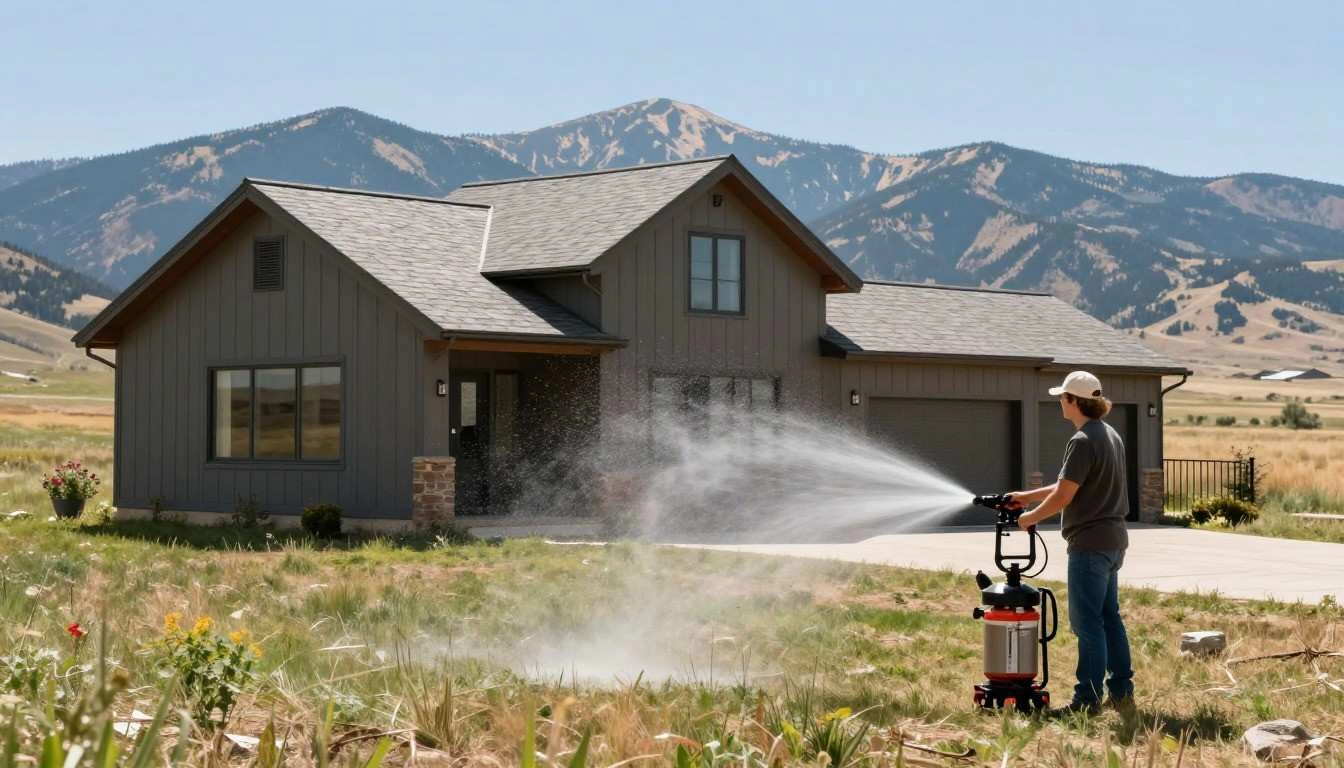
A portable fire fighting pump for a Colorado foothills or rural property costs $300 to $2,000, with flow rate, not price, the number that matters most. A homeowner on a well or a pond in the wildland-urban interface west of Golden, in Evergreen, or up toward Conifer needs a pump that can move 20 to 60 gallons per minute from a static water source, not the smaller unit sold for a suburban garden hose upgrade.
Entry-level gas-powered trash pumps start around $300 to $600 and move 15 to 25 gallons per minute, adequate for light brush suppression near a structure. Mid-range wildland-style pumps built for sustained fire suppression run $700 to $1,500 and move 30 to 60 gallons per minute at higher pressure. High-output units used by rural fire departments and larger properties run $1,500 to $2,500 or more; homeowners comparing models can browse fire fighting pumps for sale to see the flow rate and engine size options at each price point.
The wildland-urban interface along the foothills, from Boulder and Golden south through Evergreen, Conifer, and the corridor toward Colorado Springs, carries the state's highest wildfire exposure. Insurers now score individual parcels for wildfire risk rather than pricing an entire ZIP code the same way, and that score factors into whether a foothills buyer can get standard coverage or needs a Colorado FAIR Plan policy. Buyers evaluating a foothills or mountain-adjacent property should read the Kenna Real Estate Group's mountain view home buying guide alongside the wildfire score before writing an offer.
Some insurers give credit for on-site water access and suppression equipment as part of a broader wildfire mitigation package, alongside defensible space clearing and an ember-resistant roof, but a pump alone rarely moves the premium on its own. The larger factor in a Colorado wildfire insurance score is the condition of the vegetation and structure within 100 to 200 feet of the home, known as defensible space.
A pump moving less than 20 gallons per minute struggles to keep pace with an advancing grass fire. For a typical rural Front Range foothills lot, a 4- to 6.5-horsepower engine pushing 30 to 45 gallons per minute at 50 to 90 psi covers a standard garden hose or fire hose setup and reaches most of a structure's perimeter from one static water source such as a pond, cistern, or stock tank.
The pump itself needs no permit. A new water storage tank or cistern, particularly one over a set capacity, needs a building or fire district permit in some counties; Jefferson, Douglas, and El Paso counties each set their own thresholds, so check with the local fire protection district before installing a large tank.
Most foothills communities have no restriction on a homeowner storing a portable pump or hose reel on their own property, since it sits outside standard architectural review. Some metro districts and fire protection districts run voluntary mitigation programs that provide guidance or partial cost-share for equipment and defensible space work.
| Property type | Recommended flow rate | Typical cost |
|---|---|---|
| Suburban lot near hydrant access | 15 to 20 gpm | $300 to $600 |
| Foothills or WUI home, 1 to 5 acres | 30 to 45 gpm | $700 to $1,500 |
| Rural property, 5+ acres, no hydrant | 45 to 60+ gpm | $1,500 to $2,500+ |
No. A portable pump is one tool alongside cleared vegetation, an ember-resistant roof and gutters, and non-combustible material within 5 feet of the foundation. Insurers and wildfire mitigation specialists treat equipment and defensible space as two separate line items when they evaluate a property.
Wildfire mitigation work and equipment are not required disclosure items on Colorado's Seller's Property Disclosure, but sellers in the wildland-urban interface increasingly list defensible space clearing and water access as selling points, since a buyer's insurance quote depends heavily on them. A seller relocating out of a foothills property can compare timing against the market with a Smart Pricing Report before listing.
A pond, stock tank, cistern, seasonal creek, or a dedicated static water storage tank all work as a source, as long as the pump's suction lift rating matches the vertical distance and hose length to the water. Most portable wildland pumps handle a suction lift of 15 to 20 feet; a source farther below the pump than that needs a stronger unit or a closer secondary tank.
Yes. Insurers factor a property's distance from the nearest hydrant and from a staffed fire station into the overall wildfire and fire-protection score, alongside vegetation and roofing material. A rural property 5 or more miles from a fire station, common in parts of Douglas, Jefferson, and El Paso counties, sees higher premiums or more limited carrier options in many cases regardless of on-site equipment, which is why buyers touring foothills listings should ask for the property's fire-protection district and ISO rating before writing an offer.
Ask for the printable wildfire mitigation checklist in the form below and the Kenna Real Estate Group emails it the same day.
Looking at a foothills or rural Colorado property and want the real picture on wildfire risk and insurability before you write an offer? The Kenna Real Estate Group pulls the wildfire score and mitigation history before you tour. Call or text 303-955-4220. A live person answers. Not a robot, not a phone tree. Or search every home for sale in Colorado.
Questions about any home in Colorado? Call or text 303-955-4220. A live person answers.
$300 to $600 for an entry-level unit moving 15 to 25 gallons per minute, up to $1,500 to $2,500 for a high-output wildland-style pump.
The foothills wildland-urban interface from Boulder and Golden south through Evergreen, Conifer, and toward Colorado Springs carries the state's highest exposure.
Some insurers give credit for on-site water access as part of a broader mitigation package, but defensible space and roof condition matter more to the wildfire score.
30 to 45 gallons per minute for most foothills lots of 1 to 5 acres; 45 to 60-plus for larger rural land with no hydrant access.
No permit applies to the pump. A large new water storage tank needs a fire district or building permit in some counties.
Most have no restriction, since a portable pump sits outside standard architectural review.
No. Insurers and mitigation specialists treat cleared vegetation and roof material as separate factors from equipment on-site.
It is not required, but sellers in the wildland-urban interface increasingly list it since it affects a buyer's insurance quote.