New - 15 Mins Ago

.jpg)


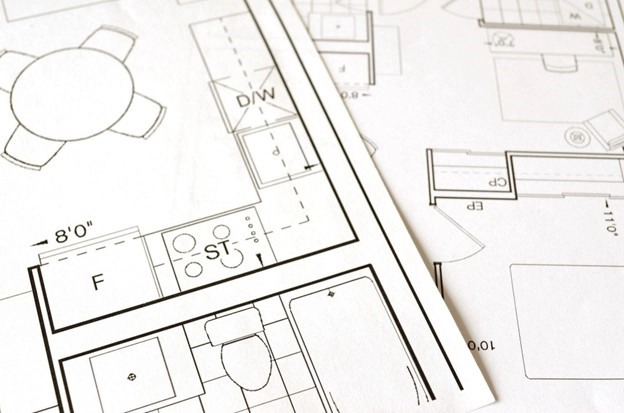
A Denver metro studio runs 400 to 650 sq ft, and the floor plan that works best depends less on square footage than on how the kitchen, sleeping area, and storage are zoned. An L-shaped layout that separates the sleeping nook from the main living area, paired with at least one full wall of closet storage, outperforms a single open rectangle for almost every lifestyle.
Most Denver metro studios range from 400 to 650 sq ft, with downtown and LoDo units running toward the smaller end and suburban studio-condo conversions sometimes reaching 700 sq ft. Below 400 sq ft, storage becomes the limiting factor for almost any lifestyle; above 650 sq ft, the unit starts to function more like a small one-bedroom.
A studio with a distinct sleeping alcove — separated by a half-wall, a step-down, or built-in shelving rather than fully open to the living area — works best for anyone downsizing from a larger Front Range home, since it preserves a sense of separate rooms without adding square footage. Look for a floor plan that keeps the bed out of direct sightline from the front door.
A functional studio needs at least one full-depth reach-in closet plus a secondary storage zone — a coat closet, a pantry cabinet, or built-in shelving — since there's no spare bedroom or basement to absorb overflow. Many Denver metro buildings also offer a separate storage unit in the building for an added monthly fee; factor that cost into the comparison between buildings.
Yes. With close to 300 sunny days a year, a studio with a south- or west-facing window makes a small floor plan feel noticeably larger and reduces the need for daytime lighting, while a north-facing or interior unit with limited windows feels smaller regardless of square footage. Check the window-to-floor-area ratio, not just the number of windows, before choosing a unit.
| Layout | Best for | Trade-off |
|---|---|---|
| Fully open rectangle | Maximizing light and flexibility | No visual separation between sleeping and living zones |
| L-shaped with sleeping alcove | A sense of separate rooms | Slightly less flexible furniture placement |
| Convertible/Murphy-bed studio | Using the same floor space for two functions | Costs more upfront for the built-in system |
Studio and small one-bedroom condos in walkable Denver metro locations rent reliably to a steady pool of tenants, but they also carry a smaller buyer pool at resale than a one- or two-bedroom unit, since fewer buyers want to live long-term in a studio. Run the numbers against HOA fees and the building's rental restrictions before treating a studio as a rental investment.
HOA fees for a studio land close to what a one-bedroom in the same building pays in most cases, since the fee covers shared building systems and amenities more than unit size. Check the HOA's reserve study and any pending special assessment before buying; a Denver condo special assessment can land on a buyer at closing if it's not caught early.
A studio's open layout carries sound from the kitchen, the street-facing window, and shared hallways straight into the sleeping area, so unit placement within the building matters as much as the floor plan itself. Ask about the building's construction type and whether the unit sits over a garage, retail space, or mechanical room before signing.
A studio with a defined nook separate from the sleeping area — a window bay, an alcove, or a deep closet converted to a desk space — supports a home office better than an open plan with no separation. A room divider or a bookshelf placed to break sightlines helps on video calls in either layout.
Ceilings above 9 feet, common in some converted historic Denver buildings, make a small studio read noticeably larger than the same square footage under an 8-foot ceiling. Exposed ductwork or brick in an older building can add character but also lowers the usable ceiling height in spots; check it in person, not just the listing photos.
A one-bedroom holds value and resells faster than a studio of similar quality in the same building in most sales, because it appeals to a wider range of Front Range buyers. A studio makes the most financial sense as a starter purchase or a rental with a clear multi-year exit plan rather than a long-term hold.
Built-in closet systems that use the full height of the space, rather than a single shelf and rod, roughly double usable storage in the same footprint. A tall, narrow pantry cabinet next to the kitchen absorbs bulk goods and small appliances that would otherwise crowd the counter, and under-bed storage bins handle seasonal gear like winter coats and ski equipment that a Front Range household needs but doesn't use year-round.
Older converted-warehouse studios in neighborhoods like LoDo commonly carry higher ceilings and character but weaker insulation than new construction, which shows up as a bigger swing between a hot summer afternoon and a cold winter night. Ask about the building's window age and heating and cooling system type, since a studio's single open room amplifies a drafty window or an undersized unit faster than a larger floor plan with more rooms to absorb the difference.
Many older Denver metro studio buildings rely on a single wall unit or a window air conditioner rather than central air, and in an open one-room layout that unit has to cover the entire square footage on a hot Front Range afternoon. Check the unit's rated square footage against the studio's actual size before assuming it keeps up, especially in a south- or west-facing unit that catches direct afternoon sun most of the year.
A renter should budget a security deposit, the first month's rent, and any building move-in fee, while a buyer adds closing costs, HOA transfer fees, and a reserve for the building's storage unit fee if one applies. Both should confirm parking availability and cost separately, since many Denver metro studio buildings charge for parking as a line item outside the base rent or HOA fee.
We walk buyers through the studio and small-condo inventory across the Denver metro, including which buildings carry rental restrictions and pending special assessments before you write an offer.
Call or text 303-955-4220. A live person answers. Not a robot, not a phone tree. Ready to look now? Search every home for sale in Colorado.
Questions about any home in Colorado? Call or text 303-955-4220. A live person answers.
Most run 400 to 650 sq ft, with downtown and LoDo units toward the smaller end of that range.
One with a separated sleeping alcove rather than a fully open layout, so the unit keeps a sense of distinct rooms.
Not by much in most buildings, since fees cover shared building systems and amenities more than unit size.
A walkable-location studio rents reliably, but it carries a smaller resale buyer pool than a one-bedroom, so run the numbers against HOA fees and rental rules first.
Yes, given close to 300 sunny days a year; a south- or west-facing window makes a small floor plan feel noticeably larger.
A one-bedroom of similar quality in the same building holds value and sells faster in most cases, since it appeals to more buyers.


