New - Just Now
.jpg)


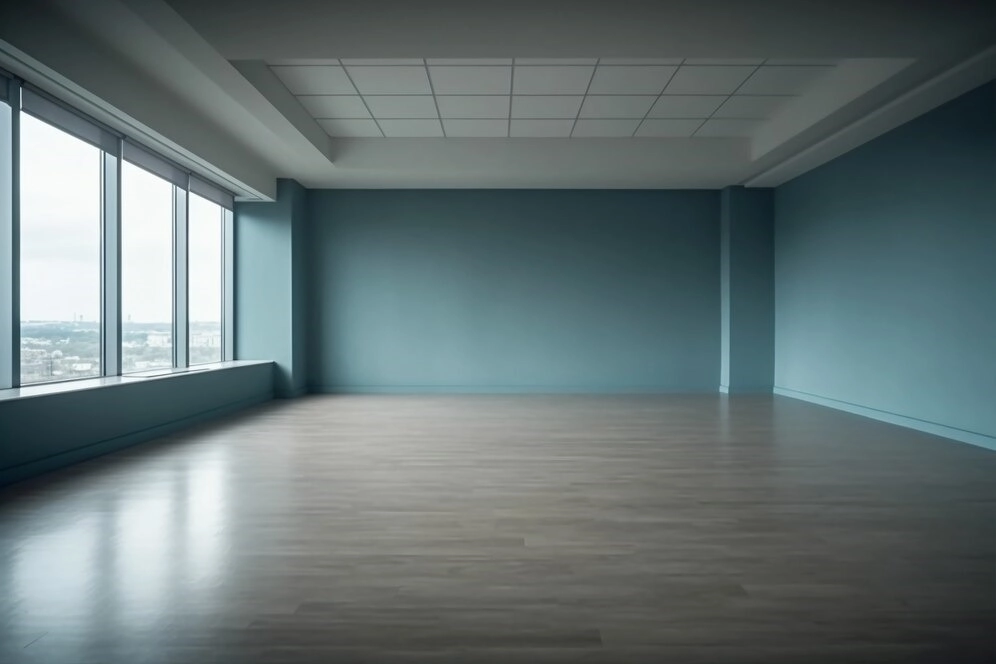
A working studio in the Denver metro comes in two forms: a leased commercial or live-work space in a district built for it, or a home studio built into an existing house through a garage conversion or an accessory dwelling unit. The right choice depends on budget, how much noise or fumes the work produces, and whether the space needs to double as a residence.
Artists, photographers, musicians, and fitness or movement instructors are the most common studio renters across the Front Range. Each trade has a different space requirement: painters and photographers want large windows and north-facing light, musicians need sound isolation, and movement instructors need open floor space and wall mirrors. Define the work before you tour a single listing, since a space that fits one trade rarely fits another without costly changes.
Denver's RiNo Art District, the Santa Fe Art District, and the Golden Triangle each carry a concentration of studio and live-work buildings, some zoned specifically for combined residential and creative use. Boulder and Fort Collins carry a smaller but active inventory near their downtown cores. Our downtown Denver and LoDo condos and lofts guide covers loft-style inventory that doubles well as studio space, and our Denver condos, townhomes, and lofts guide covers the broader metro.
Colorado's 2024 accessory dwelling unit law, HB24-1152, requires cities inside the Denver metro planning boundary to allow an ADU on most single-unit lots, which opened a second path: convert a garage, basement, or backyard structure into a dedicated studio instead of leasing one. Denver, Aurora, and Colorado Springs each set their own permit process, setback rules, and size limits for an ADU or garage conversion, so confirm the specific requirements with the city's planning department before you budget the project. Our Denver house hacking guide covers the ADU rules in more depth for owners considering the conversion.
A structural change to a garage, new plumbing for a sink or bathroom, and new electrical circuits for kilns, welding equipment, or a full music setup each require a permit in every Front Range city. Skipping the permit blocks resale later, since a buyer's lender flags unpermitted square footage found during appraisal.
Looking for a Denver metro home with the space to build a studio?
Call or text the Kenna Real Estate Group at 303-955-4220 to find a property with a garage, basement, or lot that fits your work.
Colorado's low humidity and intense UV at 5,280 feet dry out paint, clay, wood, and canvas faster than in a coastal market, which changes how a painter or potter times a project and how a woodworker stores lumber. Instruments with wood bodies, guitars and pianos in particular, need a humidifier or a climate-controlled case to prevent cracking during Colorado's driest winter months. Budget a small humidifier or dehumidifier system into any studio build, whether leased or built at home.
Many Front Range studio and loft buildings predate modern sound-isolation standards, so a musician renting or building a studio should budget for isolated flooring, double drywall, and door seals rather than assume the existing walls handle the sound. A contractor experienced in studio buildouts can price a sound-isolation package before you sign a lease or start construction.
Denver, Aurora, and Colorado Springs each regulate home-based businesses and studios differently, covering how much of the home is allowed for the work, whether clients or students can visit, and whether signage is allowed. A studio that only stores materials and does not see client traffic clears zoning more easily than one that hosts classes or walk-in customers, so confirm the specific use with the city before you commit to a location.
Standard renters or homeowners insurance rarely covers business equipment, inventory, or liability from clients visiting a home studio. A separate business owner's policy or an endorsement added to the existing policy covers equipment loss and visitor injury, and most landlords of a leased commercial studio space require proof of liability coverage before handing over keys.
Get a replacement-cost estimate on cameras, instruments, kilns, or fitness equipment before you shop for coverage, since a policy priced on the wrong equipment value leaves a real gap after a claim. Ask the insurer directly whether the policy covers equipment stored in a detached garage or ADU, since some homeowners policies limit coverage for structures separate from the main house.
A leased studio in RiNo or the Santa Fe Art District carries a monthly rent and no upfront construction cost, which suits a renter testing a new business or without capital for a build-out. A home studio or ADU carries upfront permit and construction costs but builds equity into the property and eliminates a second monthly payment once finished. Run both numbers against your timeline and cash position before deciding.
| Option | Upfront cost | Ongoing cost |
|---|---|---|
| Leased studio, RiNo or Santa Fe Art District | Security deposit plus first month's rent | Monthly rent and utilities not included in the lease |
| Garage conversion studio | $15,000 - $45,000 depending on plumbing and electrical scope | Property tax increase from added square footage |
| Detached ADU studio | $80,000 - $180,000+ for a full backyard build | Property tax increase, plus utility hookup if separately metered |
A photography studio needs ceiling height for lighting rigs and a cyclorama wall, and north-facing windows give the most consistent daylight for shoots without the strong afternoon glare common on Colorado's south and west exposures. A fitness or movement studio needs unobstructed floor space, sprung or cushioned flooring, and full-length mirrors, plus a lease clause that allows classes if clients will attend in person. A fine art or ceramics studio needs ventilation for kiln heat and fumes, a concrete or sealed floor that tolerates spills, and a landlord willing to approve the equipment in writing before you sign.
The Kenna Real Estate Group helps Denver metro buyers find homes with the garage, basement, or lot size to build a studio, and connects renters with agents who track live-work inventory across the Front Range. Call or text 303-955-4220. A live person answers. Not a robot, not a phone tree. Or search every home for sale in Colorado to start your search.
Questions about any home in Colorado? Call or text 303-955-4220. A live person answers.
Yes. Structural changes, new electrical circuits, and any plumbing added to a garage conversion each require a city permit, and skipping one can block resale later.
It depends on the city and whether the work involves client visits, signage, or amplified sound. Denver, Aurora, and Colorado Springs each set their own home-occupation rules to check before you commit.
Low humidity at altitude dries out wood instruments and can crack the body over a Colorado winter without a humidifier or a climate-controlled case.
A leased studio needs no upfront construction cost but carries an ongoing monthly rent. An ADU or garage-conversion studio costs more upfront but adds square footage and equity to the property.
HB24-1152 requires cities inside the Denver metro planning boundary to allow an ADU on most single-unit lots, though each city still sets its own permit process and size limits.
A business owner's policy or an endorsement on an existing homeowners or renters policy, since standard coverage rarely extends to business equipment or client liability.
The RiNo Art District, the Santa Fe Art District, and the Golden Triangle carry the highest concentration of studio and live-work buildings in the Denver metro.