.jpg)


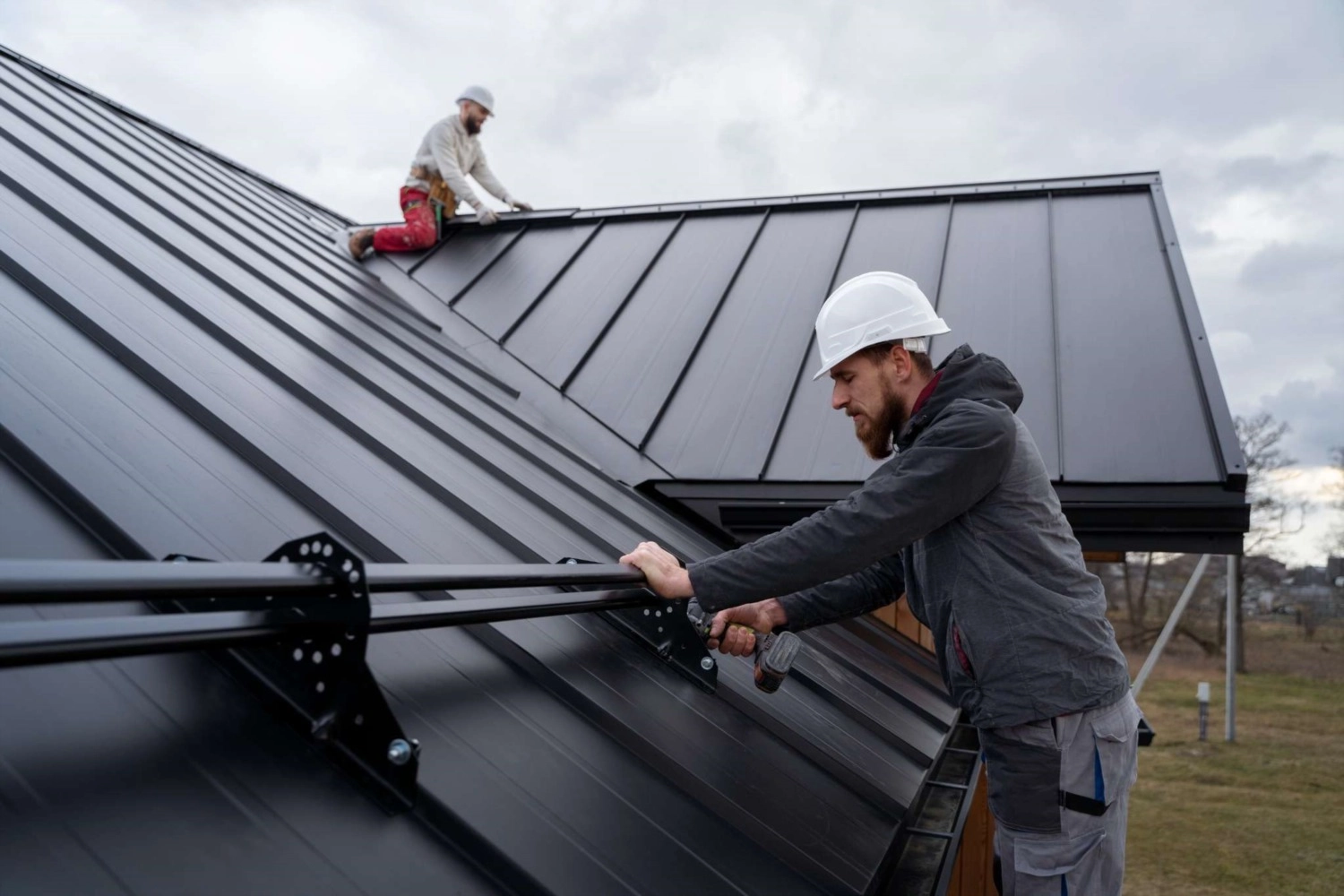
The fastest way to get burned by a Colorado roofing contractor is to sign with whoever knocks on your door the week after a hailstorm. Vet the license, the insurance and the contract before you vet the sales pitch.
Why does Colorado's hail season attract so many storm-chasing roofers?
Colorado sits in Hail Alley, and every major storm between mid-April and mid-September brings out-of-state crews going door to door offering fast, low-bid repairs. Some are legitimate seasonal contractors; many disappear before a warranty claim ever comes up. A company with a permanent Colorado address, a local phone number and a multi-year track record is a better starting point than a truck with an out-of-state plate.
What license and insurance should a Colorado roofing contractor carry?
Many Front Range cities and counties require roofing contractors to hold a local business license and carry general liability and workers' compensation insurance. Ask for certificates of insurance directly from the contractor, not just a verbal assurance, and confirm coverage is current before any work begins on your roof.
What are the biggest red flags after a Front Range hailstorm?
- No license or insurance: legitimate contractors always carry both and will provide documentation without hesitation.
- High-pressure, today-only pricing: real companies give you time to compare bids and read the contract.
- No local references or reviews: a company with zero Colorado project history is a risk.
- Full payment demanded upfront: a reasonable deposit is normal; the full cost before work starts is not.
- Bids far below every other estimate: unusually low pricing means lower-grade materials or corners cut on flashing and underlayment.
How do you verify a roofing contractor's Colorado license and insurance?
Ask for the contractor's business license number and insurance certificates, then confirm directly with the issuing city or county and the insurance carrier rather than relying on documents the contractor hands you. A legitimate company will not hesitate to make this easy.
What questions should you ask before signing a roofing contract?
- How long has your company operated in Colorado, and can I see recent local projects?
- Do you carry workers' compensation, and can I see the certificate?
- What shingle brand and Class 4 impact rating are included, and can you show the product's UL 2218 documentation?
- Who pulls the permit, and is that cost included in the bid?
- What is the manufacturer warranty versus your workmanship warranty, and how long does each last?
How does the insurance claims process work with a Colorado roofer?
A reputable contractor can meet your insurance adjuster on-site to point out documented hail damage, but the claim itself is between you and your insurer. Get a written scope of work and cost estimate from the contractor that you can compare against the adjuster's estimate before agreeing to any supplement.
Should a contractor ever handle your insurance claim directly?
A contractor can assist and advocate during an adjuster's visit, but you should remain the one communicating with your insurance company and signing off on claim decisions. Be cautious of any contractor who asks you to sign over your insurance check or claim rights before work is complete.
What makes a bid too good to be true on a Colorado re-roof?
A bid dramatically below every other estimate on a comparable Class 4 architectural shingle job, roughly $9,000 to $16,000 for a typical 2,000 to 2,500 square foot Front Range roof, signals a downgrade in materials, thinner underlayment, or a plan to skip permit fees altogether.
Do you need multiple bids, and how do prices compare?
| Roof type | Typical Denver-metro installed cost |
|---|---|
| 3-tab asphalt shingle | $7,000 - $11,000 |
| Class 4 architectural asphalt shingle | $9,000 - $16,000 |
| Standing-seam metal | $18,000 - $32,000 |
Get at least three written bids on identical scope and materials before deciding. Use a roof pitch calculator to sanity-check that each bid is measuring your roof the same way.
What should a written roofing contract in Colorado include?
Total price, itemized materials with brand and Class 4 rating, permit responsibility, start and completion dates, payment schedule tied to milestones rather than full payment upfront, and both the manufacturer and workmanship warranty terms in writing.
Does the contractor's experience with Class 4 shingles matter?
Yes. Installation quality affects whether you keep the insurance discount tied to Class 4 impact-resistant roofing. Ask specifically how many Class 4 installs the crew has completed and whether they can provide the manufacturer certification paperwork you'll need for your insurer.
How do you check reviews without falling for fake ones?
Look for reviews spread across multiple platforms, not just one, with specific project details, dates and neighborhood mentions rather than generic praise. A pattern of consistent, detailed local reviews over several years is a stronger signal than a sudden cluster of five-star ratings.
What permits and inspections should the contractor handle?
Most Front Range cities and counties require a permit for a full roof replacement; a reliable contractor pulls it themselves and schedules the required inspections, rather than leaving that responsibility to the homeowner.
How long should a Front Range roof replacement take?
A standard asphalt shingle tear-off and replacement on an average Denver-metro home takes 1 to 3 days of active work, weather permitting. Metal roofing and larger or steeper homes can take longer.
What warranty should you expect on materials and labor?
Expect a manufacturer's material warranty, commonly 25 to 50 years depending on the shingle line, plus a separate workmanship warranty from the contractor, commonly 2 to 10 years. Get both in writing before signing.
How does hiring the right contractor affect a future home sale?
A documented, permitted roof installation from a licensed, established local roofer near you gives future buyers and their inspectors confidence, and gives you paperwork that supports your asking price. A rushed storm-chaser job, even if it looks fine now, can surface as a red flag during a Colorado home inspection years later.
Should you get a second opinion before signing off on an insurance-covered roof repair?
Yes, particularly when the first estimate comes from whoever showed up at your door rather than a company you researched. A second, independent inspection can confirm whether the adjuster's scope matches the actual damage, and it protects you from a contractor who inflates a bid because "insurance is paying for it anyway."
Does a manufacturer certification actually mean anything when choosing a contractor?
It does, within limits. A manufacturer-certified installer has completed training on that specific shingle or membrane system and commonly qualifies for extended, manufacturer-backed warranties unavailable through a non-certified crew. Certification isn't a substitute for checking license, insurance and local references, but it's a meaningful additional signal when comparing bids that otherwise look similar.
Where to go next
- Search every home for sale in Colorado
- Preparing and adding value before selling
- Colorado hail and roof cost comparison
- The roof report: what buyers should inspect before closing
- Get a Smart Pricing Report for your home
Talk to the Kenna Real Estate Group
The Kenna Real Estate Group helps Colorado sellers document roofing work so it holds up under a buyer's inspection, and helps buyers evaluate a seller's roofing paperwork before closing. Call or text 303-955-4220. A live person answers. Not a robot, not a phone tree. Or search every home for sale in Colorado today.
Homes for sale that match this post
Guides
Questions about any home in Colorado? Call or text 303-955-4220. A live person answers.