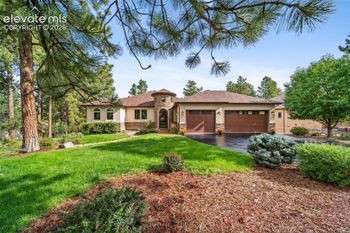
New - 11 Hours Ago

$1,255,000
Coming Soon
4
Beds
3
Baths
3525
Sqft
0.26
Acres
3532 S Eudora Way, Denver, CO 80237
MLS#: 7973063
.jpg)


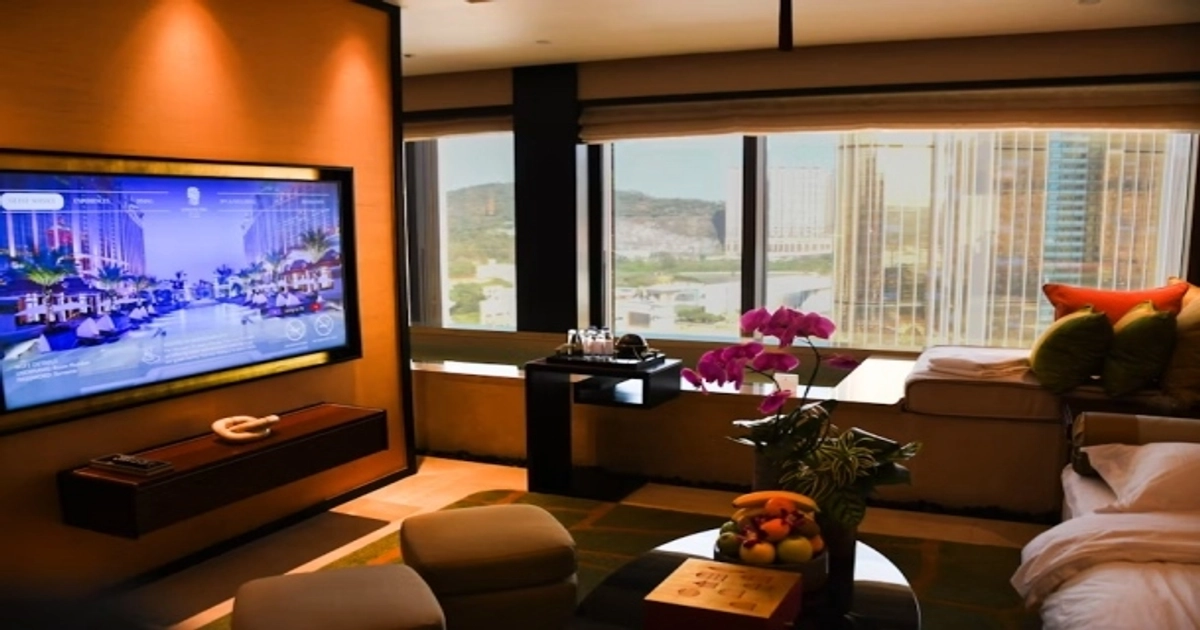
A high-end feel is not about square footage or a full renovation budget. It comes from layout, light, and a handful of finish upgrades that read as intentional rather than builder-grade. Every one of these works in a starter ranch in Aurora or a two-story in Highlands Ranch, and several of them pay back directly when you list.
A high-end room never feels cramped or awkward to walk through. Look at how furniture sits relative to doorways and traffic paths, and check whether each seating area has a clear purpose. Arrange seating to invite conversation around a fireplace or a piece of art rather than pointing every chair at the television. In an open-concept great room, which is common in newer Front Range construction, define separate zones with an area rug under the seating group or a console table between the living and dining space, so a large open floor plan reads as several designed rooms instead of one undefined space.
Basic builder-grade cabinet pulls, doorknobs, and light switch plates are one of the fastest ways to make a room look inexpensive, and swapping them is one of the cheapest fixes on this list. A full house of hardware in brass, matte black, or brushed nickel commonly runs $300 to $900 in materials for a mid-size home, with most of that cost in your own labor if you do it yourself.
Ditch a flat builder-grade flush-mount fixture for a statement chandelier, layered pendant lighting, or a sculptural fixture over a dining table or kitchen island. Beyond looking better, layered lighting (overhead, task, and ambient) photographs dramatically better for listing photos, and buyer feedback on Front Range showings consistently calls out good lighting as a reason a home felt more finished than comparable listings.
Rich textiles — velvet and wool throw pillows, a substantial window treatment, a textured area rug — add depth that a bare, minimally furnished room cannot fake. Mixing two or three complementary textures and patterns reads as curated rather than matched-set generic.
A single large-format piece, whether an original or a high-quality oversized print, creates a stronger focal point than a cluster of small frames and makes a room feel more deliberately designed. This is one of the least expensive changes on the list relative to its visual impact.
Colorado gets roughly 300 days of sun a year, and even a north-facing room in a Denver bungalow gets more usable daylight across a year than most people expect. Rooms that use that light instead of blocking it feel larger and more expensive automatically. Swap heavy, dark drapes for light-filtering curtains or simple roll-up shades that let in full daylight. Front Range buyers respond strongly to light-filled rooms in showings, and it costs nothing more than a different choice of window treatment.
A large mirror placed opposite a window bounces daylight back across the room and visually doubles the sense of space. A grouped arrangement of smaller mirrors on a darker interior wall works the same way on a smaller scale and adds a designed look at the same time.
A high-end room reads as calm because everything in it has a place. Add closed storage — a woven basket, a decorative box, a credenza with doors — so daily items disappear instead of accumulating on visible surfaces. A simple "one in, one out" habit on decor and accessories keeps a room from slowly filling back up after the first big declutter push.
Buyers touring a Front Range listing spend a disproportionate amount of showing time in the kitchen and primary bathroom, so upgrades there carry more weight per dollar than almost anywhere else in the house. New cabinet hardware and a modern faucet can transform a dated kitchen for a few hundred dollars. In the bathroom, a frameless mirror, updated light bar, and matching towel hardware do the same for well under $500 combined, without touching cabinets, counters, or plumbing.
A high-end interior almost always uses a tighter color palette than an average home: two or three neutral base tones with one or two accent colors carried through pillows, art, and small decor pieces. A wall painted a bold, saturated color in only one room, with no repetition elsewhere in the home, reads as a leftover trend rather than an intentional design choice. Repeating the same two or three accent colors across adjoining rooms ties the whole home together, which matters as much for a listing walkthrough as it does for daily living.
New developments across the Front Range include upgraded finishes as standard in many floor plans, from statement lighting to luxury 1-bedrooms with built-in architectural detail, because developers know these details influence how a unit is perceived at first walkthrough. The same logic applies to an existing home: the finishes a buyer notices in the first ten seconds set the tone for how they judge everything else in the showing.
None of this requires a contractor or a permit. Hardware, lighting, textiles, and decluttering are weekend projects that change how a listing photographs and how a buyer feels walking through the door, and our agents on the Front Range routinely see homes with this kind of preparation draw stronger offers in the first two weeks on market. Our guide to preparing and adding value before selling breaks down which upgrades matter most for your specific home and price point.
For an occupied home, a consultation with a professional stager (commonly a few hundred dollars for advice, more for full staging with rented furniture) can be worth it if your furniture does not suit the layout or if the home will sit vacant during the listing period. For most occupied Front Range homes, the layout, lighting, and declutter steps above cover the bulk of the visual impact without a full staging contract, and a listing agent who tours homes every week can flag the two or three changes that matter most for a specific property in a single walkthrough.
Whether you are updating your current home or preparing to list on the Front Range, the Kenna Real Estate Group can tell you which of these upgrades actually move a sale price and which ones are cosmetic only. Call or text 303-955-4220. A live person answers. Not a robot, not a phone tree. Or search every home for sale in Colorado to see how finish quality shows up across current listings.
Questions about any home in Colorado? Call or text 303-955-4220. A live person answers.
Swap builder-grade cabinet hardware, doorknobs, and light switch plates for brass, matte black, or brushed nickel. A full mid-size home commonly runs $300 to $900 in materials and is a weekend DIY project.
Yes. Layered lighting (overhead, task, and ambient) photographs better for listing photos and consistently comes up in Front Range buyer feedback as a reason a home felt more finished than similar listings.
One large-format piece creates a stronger focal point and reads as more deliberately designed than a cluster of small frames, for close to the same total cost.
Yes. A large mirror opposite a window bounces daylight back into the room and visually doubles the sense of space, which matters most in rooms with limited natural light.
For a vacant home or a layout your own furniture does not suit, a stager can be worth the cost. For most occupied Front Range homes, layout, lighting, and decluttering cover most of the visual impact on their own.
Yes. Closed storage and a simple 'one in, one out' habit keep visible surfaces clear, which photographs better and helps buyers picture their own belongings in the space during a showing.
Light-filtering curtains or simple roll-up shades that pull all the way up let in full daylight, which reads as more open and more expensive than heavy, dark drapes.