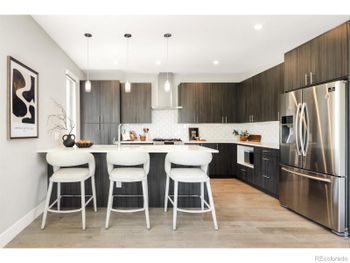
New - 2 Hours Ago

$310,000
Coming Soon
2
Beds
2
Baths
1672
Sqft
--
Acres
1762 S Trenton St #2, Denver, CO 80231
MLS#: 4185761
.jpg)


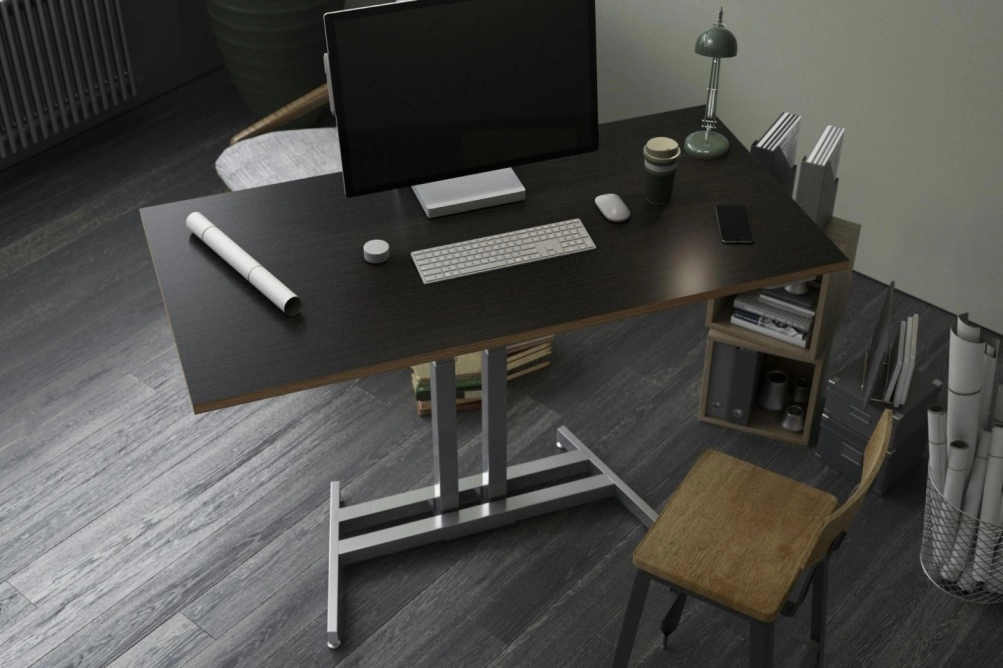
A productive home office in a small Colorado house comes down to three decisions: where the desk goes relative to natural light, how storage is zoned so the space resets in under a minute, and whether the setup needs to double as a selling point when the home eventually lists.
Give the space one job. Decide whether it's for deep work, calls, or admin tasks, then build the desk, chair, and storage around that single purpose instead of trying to serve every use at once. A defined "work triangle" of seat, screen, and daily supplies keeps the space functional even in a spare corner or converted closet.
Remote and hybrid work has made a dedicated office or flexible work nook a feature buyers ask about across the Front Range, from Centennial to Denver to Highlands Ranch. A room or nook staged as an office, rather than left as generic storage, photographs as a usable extra room instead of dead space, which widens the pool of buyers who can picture using it.
Position the desk with the window to the side rather than directly behind or in front. Side light avoids screen glare during the day and keeps a video call from backlighting your face. Colorado gets roughly 300 days of sun a year, so even a small window supplies enough daylight for most of the workday without an overhead fixture running constantly.
A simple furnished office setup inside an existing garage bay doesn't need a permit. Insulating, adding electrical circuits, or converting the garage into a fully separate living space does require permits, and in Denver that work falls under the city's accessory dwelling unit and zoning rules. Check the Denver ADU, zoning, and historic district guide before starting anything beyond furniture and lighting.
Use vertical wall storage zoned by task rather than by category: daily tools within arm's reach, rarely used items on a top shelf, grab-and-go items on a hook near the door. A single closed bin for cables and loose supplies keeps the desk surface clear, which matters both for daily focus and for how the room photographs if the home lists later.
A visual boundary, a rug under the desk, a room divider, or a bookshelf used as a partial wall, signals to your brain and to a buyer touring the home that the space has a defined purpose. In open-concept Front Range floor plans, this matters more than a physical wall, since full walls aren't always practical to add.
Layer two
Yes. Personal items, cables, and paperwork should be cleared the same way any other room gets staged, but keep enough furniture in place, a desk and a chair, at minimum, so buyers can picture the room's purpose rather than guessing at an empty space. A staged office reads as flexible living area, not just storage.
A home office is furnished space inside the existing home footprint with no kitchen, no separate entrance requirement, and no permit for basic setup. A legal accessory dwelling unit is a separate living space with its own entrance and, in most cases, a kitchen, and it requires permits, inspection, and compliance with Denver's zoning code. Converting a garage office into a rentable ADU later is a separate project with separate approval.
A functional desk, chair, and basic lighting setup runs $300 to $1,200 depending on furniture quality, while a wall-mounted drop-leaf desk and shelving system for a very tight space can come in under $500. Larger investments (built-in cabinetry, a dedicated monitor arm system) run higher but aren't required for a working setup.
Keep the desk out of direct sightline from the bed, use a closed storage piece that doubles as a nightstand or console, and add a lamp that only turns on during work hours as a visual cue that switches the room's mode. If the room also functions as a study space for schoolwork like graduate coursework, a resource like a graduate essay writing service can take pressure off a heavy workload the same way a good desk setup takes pressure off a cluttered room; you are free to use any service you choose.
Confirm actual download and upload speeds at the specific address before assuming a listing's advertised internet provider will support video calls; service varies block to block across the Denver metro, especially in older neighborhoods with older infrastructure. A wired connection to the desk, even a single Ethernet run from the router, is more reliable for calls than relying on Wi-Fi alone in a home with thick older walls or a basement office.
A spare bedroom offers better natural light and easier internet access, and it keeps resale flexibility since it can convert back to a bedroom for the next buyer. A basement nook works when no spare bedroom exists, but plan for supplemental lighting and check that the space has a functioning heat source and, ideally, an egress window if it will be used for long stretches of the day.
Freestanding furniture (a desk, a bookcase, a filing cabinet) keeps the option open to convert the room back to a bedroom for resale, while built-in cabinetry limits that flexibility for the next buyer. For a home that will sell again within a few years, freestanding pieces protect resale value better than a heavily customized built-in office.
The Kenna Real Estate Group helps Front Range buyers find homes with real office potential and helps sellers stage a spare room as usable work space before listing. Call or text 303-955-4220. A live person answers. Not a robot, not a phone tree. Or search every home for sale in Colorado to see homes with flexible layouts right now.
Questions about any home in Colorado? Call or text 303-955-4220. A live person answers.
A room or nook staged as an office photographs as a usable extra space rather than dead storage, which widens the pool of buyers who can picture using it. It's become a common ask across Front Range price bands.
A furnished office inside an existing garage bay doesn't need a permit. Insulating, adding electrical circuits, or converting the space into a separate living unit does, under Denver's ADU and zoning rules.
Position the desk with the window to the side rather than behind or in front, to avoid screen glare and video call backlighting. Colorado's roughly 300 days of annual sun supplies enough daylight through even a small window.
A home office is furnished space inside the existing footprint with no permit required. A legal ADU is a separate living unit with its own entrance, in most cases a kitchen, and it requires permits and zoning compliance.
A functional desk, chair, and basic lighting setup runs $300 to $1,200. A wall-mounted drop-leaf desk and shelving for a very tight space can come in under $500.
Use vertical wall storage zoned by task, daily tools within reach, rarely used items on a top shelf, and one closed bin for cables. This keeps the desk surface clear for both daily use and listing photos.
Yes. Clear personal items and cables, but leave a desk and chair in place so buyers can picture the room's purpose instead of guessing at an empty space.
Use a visual boundary: a rug under the desk, a bookshelf as a partial divider, or a lamp that only turns on during work hours. This signals a defined purpose without a full wall.