$345,000
Pending
3
Beds
2
Baths
1538
Sqft
0.0202
Acres
3300 W Florida Ave #48, Denver, CO 80219
MLS#: 9397860
.jpg)


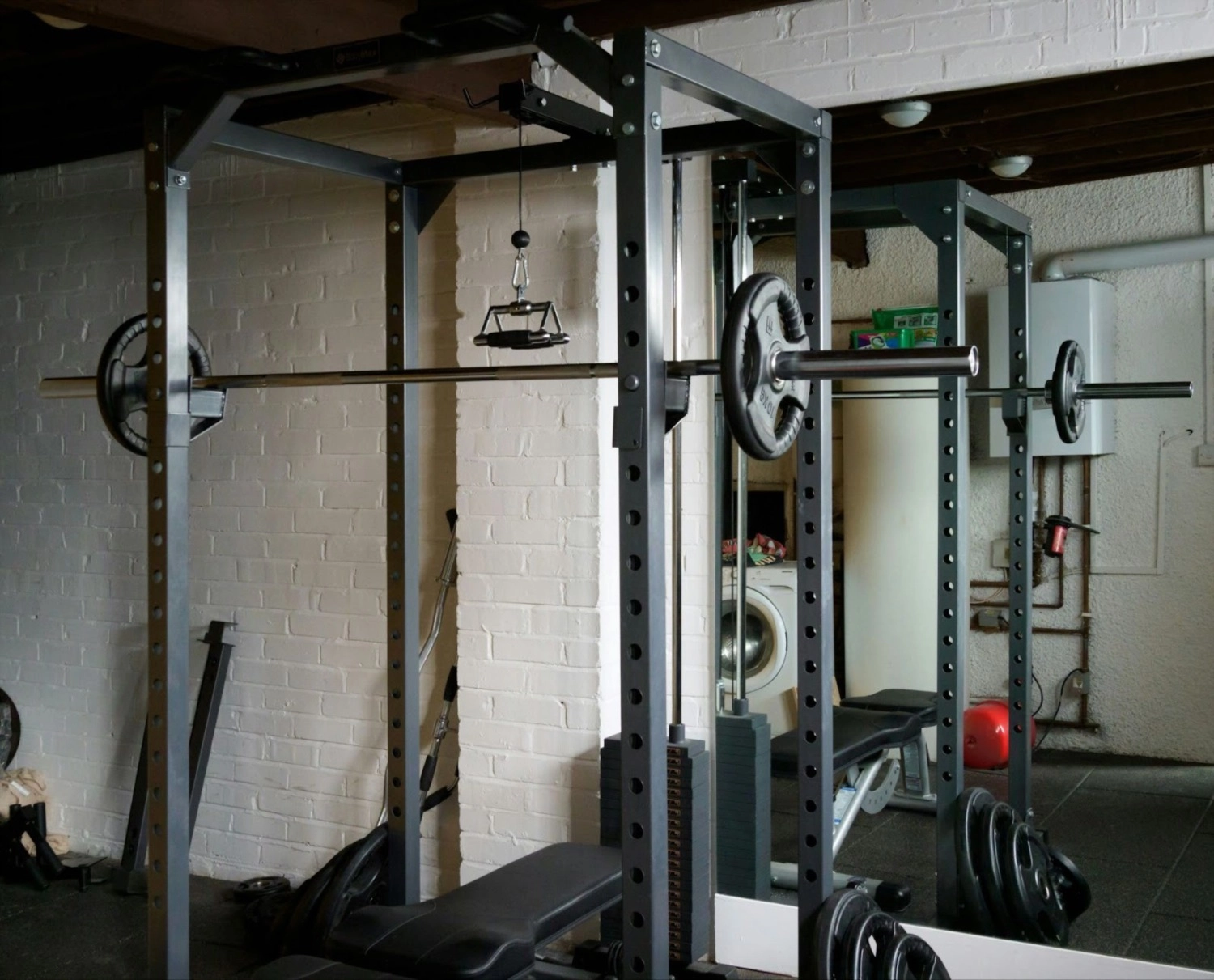
A home gym in a Colorado house works best in a garage or a below-grade room with hard flooring, a plan for the state's dry indoor winter air, and enough electrical capacity for equipment. Here is how to choose the space, flooring, and climate control, and what it does for resale value along the Front Range.
A garage is the most common choice in Front Range homes, offering hard flooring, separation from living space, and enough room for most equipment setups. A finished or unfinished basement is the next most common option, especially in homes without a garage bay to spare, and a spare bedroom works well for lighter routines like yoga, stretching, or a compact strength setup.
Most people can build a working setup in roughly 7 by 10 feet, about the size of a single-car parking space or a large walk-in closet. A yoga or stretching routine needs less; a full weight rack and bench setup needs closer to 10 by 10 feet for clear movement around the equipment.
Yes, with a plan for temperature swings. An uninsulated Front Range garage can swing from well below freezing in winter to well over 90°F in summer, both hard on equipment and on motivation to use the space. An insulated garage door, added wall insulation, or a mini-split climate control unit closes most of that gap.
Concrete is an ideal base layer; add interlocking rubber gym mats on top to protect the slab and any dropped equipment, reduce noise, and add grip and cushioning underfoot. Rubber flooring in this application costs $2 to $5 per square foot installed, depending on thickness.
Low indoor humidity during the heating season dries out skin, sinuses, and household air during a workout faster than in a humid climate, so keeping water within reach matters more here than it does in a wetter state. Altitude itself does not change equipment needs, but it does mean cardio workouts feel harder at first for anyone new to exercising above 5,000 feet.
A ceiling fan or a portable fan handles most airflow needs in a garage gym and costs little to run. A basement gym benefits from a dehumidifier if the space runs damp, both for equipment longevity and for keeping the room comfortable during a workout.
Evaluate the space's existing insulation, window placement, and airflow before buying anything, since a garage with an insulated door and reasonable ceiling height can need only a fan, while a fully exposed, uninsulated space can justify a mini-split system. Buyers touring homes with home gym plans in mind should note garage and basement insulation during the showing, not after closing.
Start with versatile basics rather than a full commercial-style setup:
Add heavier equipment gradually as strength and space needs grow, rather than furnishing the room in one purchase.
A starter setup with dumbbells or plates, a bench, resistance bands, and rubber flooring for a 7 by 10 foot space runs $400 to $1,200, well below the cost of a mid-range home renovation project and far less over time than a multi-year gym membership.
Yes, particularly for households that want climate stability without a garage's temperature swings, since a finished basement stays cooler in summer and holds heat more evenly in winter. Check for adequate ceiling height and confirm the space has a dehumidifier or sump system if the basement has any history of moisture.
Wall-mounted racks keep weight plates and dumbbells off the floor, and a pegboard handles bands, jump ropes, and smaller accessories efficiently. Evaluating wall space, not just floor space, when planning a compact gym layout reveals more usable storage than expected in most cases.
Some Front Range HOAs address noise transfer, particularly in attached townhomes and condos, and a few restrict visible equipment stored outside a garage or patio. Rubber flooring under weights significantly cuts impact noise and helps with both concerns; check the HOA's governing documents before installing anything permanent like a wall-mounted rack or a mini-split unit.
A well-finished, flexible gym space, one that can also serve as a home office, playroom, or storage area, tends to support resale value better than a highly specialized buildout a future buyer would need to undo. Buyers increasingly view a dedicated fitness space as a desirable feature, and a garage gym conversion done without permanent structural changes preserves the room's flexibility for the next owner.
Look for an oversized garage bay, a finished or dry unfinished basement, ceiling height above 8 feet where possible, and existing electrical capacity for equipment like a treadmill or climate control unit. A Colorado home search can filter by square footage and garage size to narrow down listings with genuine gym potential.
A basic strength setup needs no special electrical work, but a treadmill, an electric bike, or a mini-split climate control unit can need a dedicated circuit. Have an electrician confirm panel capacity before buying equipment that draws significant power, particularly in an older Front Range home with a smaller original panel.
Yes, and building it that way protects resale value. A garage or basement gym set up with modular, wall-mounted storage rather than bolted-down equipment converts back to parking, storage, or a flex room quickly for a future buyer who has no interest in fitness equipment. Avoid pouring a dedicated lifting platform or permanently altering flooring unless the home is a long-term hold.
| Location | Typical temperature swing | Setup cost add-on | Best for |
|---|---|---|---|
| Garage | Widest (below freezing to 90°F+ uninsulated) | $0 to $2,500 for insulation or mini-split | Heavy equipment, noise tolerance |
| Basement | Narrowest, naturally stable | $0 to $500 for a dehumidifier | Year-round comfort, quieter workouts |
| Spare bedroom | Matches home's HVAC zone | $0 to $300 for flooring only | Yoga, stretching, light equipment |
Rubber flooring absorbs most impact noise from dropped weights, and adding mass-loaded vinyl or extra drywall layers on shared walls reduces sound transfer further in an attached home or townhome. For most single-family garage or basement gyms, rubber flooring alone solves the bulk of the noise concern.
The Kenna Real Estate Group helps Colorado buyers evaluate garage size, basement condition, and layout for a home gym before they write an offer. Call or text 303-955-4220. A live person answers. Not a robot, not a phone tree. Ready to find a home with the space you need? Search every home for sale in Colorado.
Questions about any home in Colorado? Call or text 303-955-4220. A live person answers.
About 7 by 10 feet works for most setups, roughly the size of a single-car parking space or a large walk-in closet.
It can swing from below freezing to over 90°F uninsulated; an insulated garage door or a mini-split unit closes most of that gap.
Roughly $2 to $5 per square foot depending on thickness, laid over a concrete slab as the base layer.
A basic setup with weights, a bench, bands, and flooring for a small space runs $400 to $1,200.
A flexible, well-finished space that can also serve as an office or storage area tends to support resale value better than a highly specialized buildout.
Some address noise transfer in attached homes and visible equipment storage; check the HOA's governing documents before any permanent installation.