New - 2 Hours Ago
.jpg)


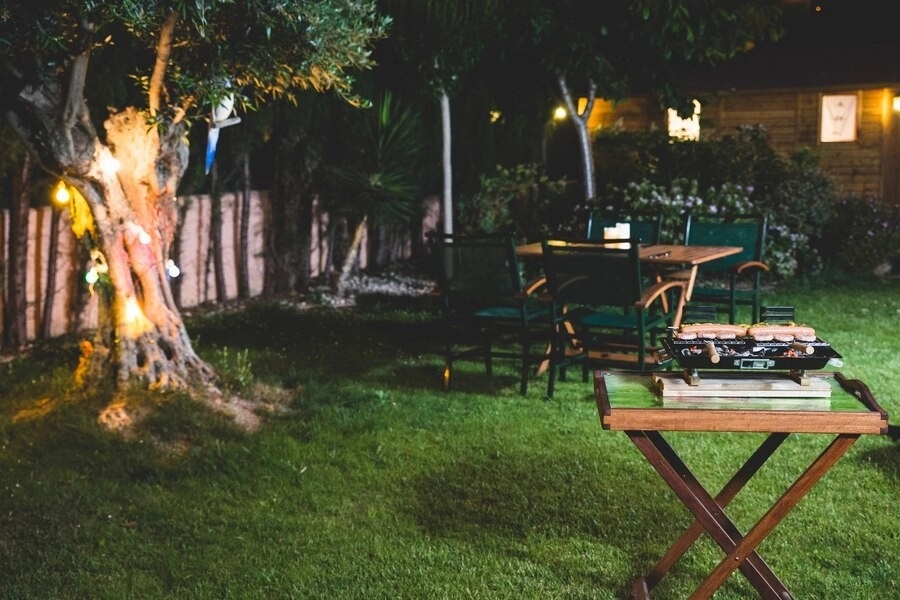
An outdoor living space that works on the Front Range needs three things most climates don't: real shade for close to 300 sunny days a year, hail-tough materials, and a design that still reads as a room on a 25-degree evening. Concrete pavers, powder-coated aluminum furniture, and a shade structure anchored against wind hold up far better here than the wood-and-fabric setups that work in milder climates.
Three factors drive every material and layout decision on the Front Range: intense UV from close to 300 sunny days a year and elevation, hail season from April through September, and temperature swings of 40 degrees or more between afternoon and evening even in summer. A design that ignores any one of the three ages fast or gets used half the year instead of most of it.
A retractable awning or a louvered pergola with adjustable slats gives shade on demand without permanently blocking a west-facing mountain view the rest of the year. Fixed shade sails work on a budget but need re-tensioning after Colorado's wind events, and a solid-roof structure is the lowest-maintenance option if the view isn't the priority for that particular corner of the yard.
Check your HOA or metro district's architectural review rules before building anything permanent. Pergolas, fire pits, sheds, and fences commonly require pre-approval on the Front Range even when they don't require a city permit, and a structure built without HOA sign-off risks a removal order after the fact.
Most Front Range cities require a permit for a deck attached to the house or a structure over a set height or footprint, and a separate permit or inspection applies to a permanent gas fire pit in many jurisdictions. Rules differ between Denver, Aurora, Lakewood, and the surrounding counties, so confirm with your specific city or county building department before construction starts, not after.
Layer the space: shade for midday sun, an open section for the golden-hour light Front Range evenings are known for, and a heat source — a gas fire pit, a patio heater, or both — for the temperature drop once the sun goes down. A space that only accounts for daytime heat sits empty most of the evening, which is when most households actually use a backyard.
UV-stabilized resin wicker, powder-coated aluminum, and marine-grade fabric cushions hold their color and structure far longer at 5,280 feet than untreated wood or standard outdoor fabric. Rotating cushions and storing fabric pieces through the harshest stretch of summer sun adds years to the set.
A paver patio installed on a properly compacted gravel base with adequate drainage handles Colorado's freeze-thaw cycle without heaving. Skipping the base prep is the single most common cause of a cracked or uneven paver patio on the Front Range within a few winters.
A functional, well-built outdoor living area is one of the features Front Range buyers respond to fastest in listing photos, since the region's climate supports outdoor use most of the year. It reads best when it looks finished and low-maintenance, not as an in-progress project with mismatched materials.
| Structure | Sun control | Typical cost range |
|---|---|---|
| Open pergola | Partial shade, adjustable with louvers or a canopy | $4,000 to $12,000 |
| Solid-roof covered patio | Full shade, year-round protection | $8,000 to $25,000 |
| Retractable awning | Shade on demand, retracts for winter sun | $2,500 to $8,000 |
Wind breaks — a fence section, dense landscaping, or a low wall on the prevailing wind side — make an outdoor space usable on the gusty spring and fall days common along the Front Range. Lightweight furniture and umbrellas need weighted bases or anchors; unanchored pieces are a common source of storm damage.
Open burning restrictions and fire pit rules vary by city, county, and current fire danger level, and many Front Range jurisdictions ban open wood fires outright in favor of gas or propane appliances. Check current restrictions with your local fire department before installing or using any fire feature, especially during a dry summer stretch.
Zone a small yard into two or three purposes — dining, lounging, a small garden bed — rather than one open space, and use vertical elements like a trellis or raised planters to add function without eating floor area. Multi-use furniture, like a bench with storage underneath, does the same job indoors and out.
Xeriscaping with native and low-water plants — blue grama grass, Rocky Mountain penstemon, native yucca — cuts irrigation needs and survives the dry stretches between Front Range storms better than a traditional turf lawn. Many Front Range water providers, including Denver Water, run rebate programs for converting turf to xeriscape; check current terms before you dig.
Yes, budget landscaping as its own line item alongside the patio or deck hardscape rather than an afterthought once the construction budget runs out. A mixed approach — a smaller functional turf area for pets or play, xeriscape beds around the perimeter, and drip irrigation instead of overhead sprinklers on planted beds — balances water use against the look most Front Range buyers still expect from a finished yard.
A covered outdoor kitchen extends the usable season on both ends, since shade and a wind break let a household cook and eat outside earlier in spring and later into fall than an open, unshaded setup allows. Run gas and electrical lines during initial construction rather than retrofitting later, since trenching a finished patio to add utilities afterward costs more than planning for them upfront.
We tell sellers which outdoor upgrades actually show up in a Front Range buyer's offer and which ones stay a personal project, before you spend the weekend building it.
Call or text 303-955-4220. A live person answers. Not a robot, not a phone tree. Ready to look now? Search every home for sale in Colorado.
Questions about any home in Colorado? Call or text 303-955-4220. A live person answers.
Concrete or stone pavers, composite decking, and powder-coated aluminum furniture resist hail damage far better than untreated wood or standard fabric.
Most attached decks and larger structures need a permit; check the exact threshold with your city or county building department before building.
Many Front Range HOAs and metro districts require architectural review approval for permanent backyard structures, even ones that don't need a city permit.
Install it on a properly compacted gravel base with good drainage; skipping base prep is the most common cause of heaving within a few winters.
Native and xeriscape plantings like blue grama grass, Rocky Mountain penstemon, and native yucca need far less irrigation than a traditional turf lawn.
It depends on your city, county, and current fire danger level; many Front Range jurisdictions restrict or ban open wood fires in favor of gas appliances.
A finished, low-maintenance outdoor area is one of the features Front Range buyers respond to fastest, given how much of the year the climate supports outdoor use.