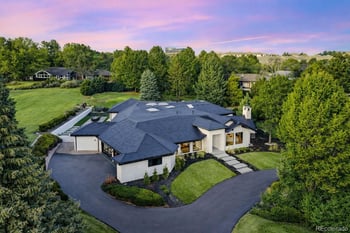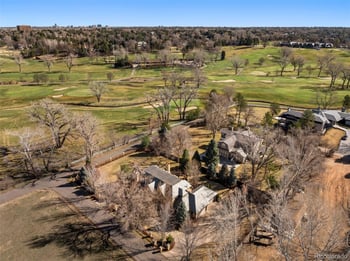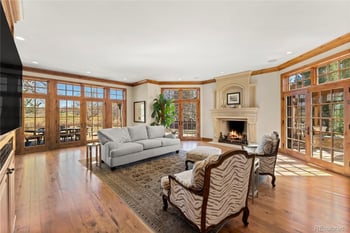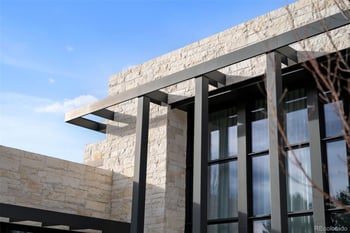
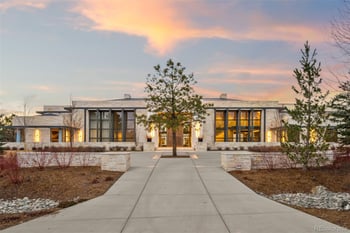

$18,000,000
Pending
5
Beds
10
Baths
12434
Sqft
2.5
Acres
3 Cherry Hills Park Dr, Cherry Hills Village, CO 80113
MLS#: REC5638533
.jpg)



A premium property costs more than the number on the listing. Before you commit to a high-end home or condo on the Front Range, evaluate what you are actually paying for beyond the purchase price: the monthly HOA or maintenance fees, how the building or grounds are managed, and what large repairs are already scheduled or overdue.
The purchase price is only part of the cost, and it is rarely what causes problems later. Monthly HOA or maintenance fees can run significant in premium Denver-area buildings and communities, and they rarely stay static; a $650-a-month fee today can rise to $800 or more within a few years as maintenance costs and insurance premiums increase. Reddit's discussion on monthly HOA or maintenance fees is a useful starting point for understanding how owners in other markets have been surprised by fee increases. Before you offer, ask for the HOA's fee history over the past five years, not just the current number.
Some premium HOA and condo fees include utilities, building insurance, landscaping, snow removal, concierge service and amenity maintenance. Others cover only the exterior structure, leaving unit owners to pay their own utilities, interior insurance and amenity access fees separately. Get the HOA's line-item budget, not just the total, before you remove your inspection contingency. Compare fee structures across Denver-area premium buildings at the luxury home buying guide for Colorado.
A special assessment is a one-time charge levied on all owners in a building or community to cover a major repair or upgrade that was not fully funded through regular dues, such as a roof replacement, elevator overhaul, or parking structure repair. Assessments on Front Range condo and townhome buildings have run anywhere from $5,000 to $40,000 per unit depending on the scope of the project. Ask for HOA meeting minutes from the past two years and any pending capital project votes before you close. See the Denver condo and townhome special-assessment guide for a full walkthrough of what to request.
How well a building or community is run matters as much as what the fees cost. Look at common areas: are hallways, lobbies, pools and fitness rooms well maintained, or is deferred maintenance visible in worn carpet, peeling paint or broken fixtures? Ask the HOA or management company how long elevator or mechanical repairs take, and how many service calls the building has logged in the past year. A management company that responds within 24 to 48 hours on service requests is a strong sign; one that takes weeks is a warning sign regardless of how polished the lobby looks.
A reserve study is a professional assessment of a building's major systems, their remaining useful life, and how much money the HOA has set aside to replace them. A well-funded reserve covers 70% or more of the projected cost of upcoming major repairs; a reserve funded below 30% is a strong signal that a special assessment is coming. Ask for the most recent reserve study and the HOA's current reserve balance as a condition of your offer.
Buying into a premium condominium in Denver, Cherry Hills Village or Lone Tree means buying a share of a business with shared expenses, shared liability and shared decision-making through an owners' association. A well-run building with a healthy reserve, low unit turnover and a professional management company protects your investment. One with high owner turnover, unpaid dues from other owners, or a self-managed board with no reserve study puts your resale value at risk regardless of the finishes inside your unit. Some buildings in the Philippines and other international markets, like this luxury condominium, illustrate the same fundamentals apply globally: management quality and reserve funding matter more than marketing materials.
A premium single-family home on a larger Front Range lot shifts the maintenance burden entirely to you, with no shared reserve to draw on. Budget separately for roof replacement (hail season runs spring through September and Front Range roofs take direct hits most years), irrigation system upkeep, and exterior maintenance driven by Colorado's dry air and roughly 300 days of sun a year, which accelerates wear on paint, caulk and decking compared to humid climates.
Premium new construction in Castle Rock, Parker and parts of Douglas County commonly sits inside a metro district that carries its own bond debt and mill levy, separate from county property tax and separate from any HOA. Ask for the district's current mill levy, its total outstanding bond debt, and the projected timeline for that debt to be paid down; a newer district with high debt per household can add $200 to $500 a month to your real housing cost. Read the Denver special district and metro district tax guide before you offer.
Price per square foot varies significantly across Front Range premium areas; Cherry Hills Village and Greenwood Village command a premium over comparably sized homes in Highlands Ranch or Castle Rock, largely driven by lot size, lot privacy and county tax rates rather than finish quality alone. Compare current premium inventory at Colorado luxury homes for sale by area and see current Denver-metro premium listings at the Denver metro snapshot.
Insurance on premium Front Range properties runs higher than the metro average because of hail exposure, and homes in wildfire-mapped areas of the foothills carry additional underwriting requirements around defensible space and roofing material. Get an insurance quote before you remove your contract contingencies, not after, since coverage on a high-value home can take longer to underwrite than a standard policy.
Tour a premium property in more than one season if you can, or at least ask direct questions about how it performs in each. A landscaped lot that looks flawless in June can reveal drainage problems or a struggling irrigation system by August under Denver Water's summer restrictions. A home with south-facing glass that feels bright and warm in January can run high on cooling costs by July at 5,280 feet, where the sun is stronger and the air is drier than most buyers moving from lower elevations expect. Ask the seller or HOA for a full year of utility costs, not a single month, before you finalize your offer.
Once you have the HOA budget, reserve study, metro district figures and insurance quote for two or three finalist properties, put them side by side. A property with a lower list price but a thinly funded reserve and a high metro district mill levy can cost more per month over five years than a higher-priced property with a healthy reserve and no district debt. Evaluating premium properties is a financial comparison first and a design comparison second.
The Kenna Real Estate Group pulls HOA budgets, reserve studies and metro district financials before our buyers offer on a premium Front Range property, so the number you sign for is the number you actually pay. Call or text 303-955-4220. A live person answers. Not a robot, not a phone tree. Ready to compare premium properties? Search every home for sale in Colorado.
Questions about any home in Colorado? Call or text 303-955-4220. A live person answers.
A reserve study is a professional assessment of a building's major systems and how much money the HOA has set aside for their eventual replacement. A reserve funded below 30% of target is a warning sign of a coming special assessment.
Fee increases of 15% to 25% over three years are common on premium buildings facing rising insurance and maintenance costs. Ask for the five-year fee history before you offer.
It is a one-time charge to all owners covering a major repair, such as a roof or elevator, that regular dues did not fully fund. Assessments on Front Range condo buildings have ranged from $5,000 to $40,000 per unit.
An HOA is a private association covering community amenities and covenants; a metro district is a public taxing entity that issues bonds for infrastructure and adds its own mill levy to your property tax bill.
Ask for the current reserve balance and funding percentage, any pending special assessments, the number of delinquent units, and how long the current management company has held the contract.
No. A single-family home has no shared reserve, so you carry 100% of roof, irrigation and exterior maintenance costs yourself, which Colorado's hail season and dry climate make significant over time.
Hail exposure across the Front Range and wildfire mapping in foothills areas both raise underwriting requirements and premiums on high-value homes compared to the metro average.