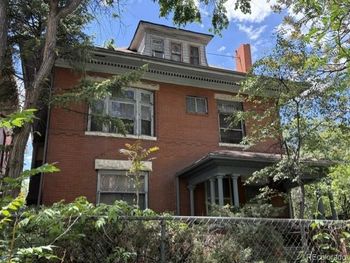
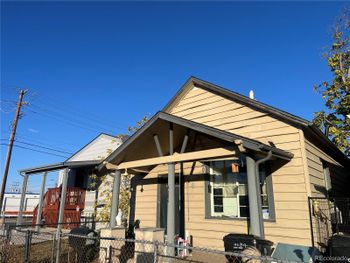
New - 4 Hours Ago

$310,000
Coming Soon
2
Beds
2
Baths
1672
Sqft
--
Acres
1762 S Trenton St #2, Denver, CO 80231
MLS#: 4185761
.jpg)



The right way to start a Colorado home sale is in this order: a net sheet that shows what you walk away with, a signed listing contract that spells out the plan, a price built from closed Denver metro sales, the Colorado disclosures filled out before the sign goes up, and prep limited to what a Front Range inspection will catch anyway. Sellers who do these five things in this order sell in 30 to 60 days at 97% to 100% of list price; sellers who skip to the yard sign spend 90 days and two price cuts getting to the same place.
The Kenna Real Estate Group at Keller Williams DTC runs this exact sequence for every listing from Fort Collins to Colorado Springs.
Start with a net sheet, not a listing. Take the sale price, subtract the mortgage payoff, the commissions (4% to 6% combined in the Denver metro in 2026), the owner's title policy ($1,500 to $2,800 on a $600,000 home), the state documentary fee of one cent per $100 of price, prorated property taxes (Colorado taxes are paid in arrears, so the seller credits the buyer for the months already lived in the current year), and any HOA or metro district transfer fees ($150 to $400). Colorado has no state or county real estate transfer tax, which is one reason Front Range seller costs land at 6% to 8% of the price rather than the 9% to 10% common in transfer-tax states.
The home equity and net proceeds guide lays the net sheet out line by line. Run it before you talk to anyone about timing, because the net decides whether you sell now, sell later or rent the home out.
Denver metro listings peak between March and June, and the homes that go under contract in April and May and close by July carry the highest sale-to-list ratios of the year in the DMAR Market Trends Report. Buyer traffic drops after the second week of November and stays low until mid-January. A home listed the first week of March in Centennial, Littleton or Arvada meets the most buyers with the least competition; a home listed the week after Thanksgiving gets 30% to 40% fewer showings and a longer median time in MLS.
Two Colorado wrinkles change the math. Hail season runs May to September, so a roof claim in June delays a July closing until the insurer and the roofer finish. And a home that shows best with a green yard should list after the sprinkler system is charged in late April, not during the brown weeks of March. The best times to buy or sell a house in Colorado post breaks the calendar down by month.
In Colorado the listing agreement is the Exclusive Right-to-Sell Listing Contract, a form approved by the Colorado Real Estate Commission. If you have ever wondered what is a listing agreement in practical terms, it is the document that sets the list price, the listing period, the commission, what stays with the house, how showings and offers are handled, and the brokerage relationship (in Colorado, a seller's agent or a transaction-broker, and the form makes you pick one).
Pricing on emotion is the most expensive mistake a Colorado seller makes. Your agent runs a comparative market analysis from closed sales within a half mile and the last 90 days, adjusted for square footage, basement finish, lot, garage and condition. The Kenna Real Estate Group goes one step further with the Smart Pricing Report, which puts three prices on the table: the number that sells in 14 days, the number that sells in 30 to 45 days, and the number that sits. You choose the strategy with the trade-off in front of you.
| Denver metro price strategy | List price vs. Smart Pricing value | Expected days to contract | Expected result |
|---|---|---|---|
| Priced to compete | 1% to 3% under | 7 to 14 | Multiple offers, sale at or above value |
| Priced at value | At value | 21 to 45 | One or two offers, sale at 98% to 100% |
| Priced to test | 4% to 8% over | 60 or more | Price cut, sale at 94% to 96% of the original ask |
If the home has no showings in 10 days or showings with no offers in 21 days, the price is wrong, and the correction should come in one cut of 3% to 5%, not three cuts of 1%. The Denver seller pricing strategy post shows the current spread by price band.
Colorado sellers disclose known material defects on the Seller's Property Disclosure, a Commission-approved form that covers the roof, foundation, plumbing, electrical, HVAC, water intrusion, radon results, sewer, pests, insurance claims and any homeowners association. Three more disclosures are common on Front Range homes:
Fill these out the week you sign the listing contract. A disclosure that leaves out the basement leak the neighbors remember is the top reason Colorado sales fall apart at the Inspection Objection Deadline.
You do not need a model home. You need the items a Denver metro inspector writes up to be fixed or priced in before the buyer finds them. Order these three tests before listing on any home older than 25 years:
Beyond those three, the prep that returns more than it costs on a Colorado home is exterior paint where the south and west faces have chalked in the 5,280-foot UV ($5,000 to $10,000 on a 2,000-square-foot home), neutral interior paint, LED lighting, a deep clean, and staging the main floor. The preparing and adding value before selling guide ranks each project by return, and the marketing your Colorado home page shows what the photos, floor plan and video need to look like before launch.
Once you accept an offer on the Colorado Contract to Buy and Sell Real Estate, the deal runs on dated deadlines, and missing one hands the other side an exit. On a 30-day closing the sequence looks like this:
Colorado closings run through licensed title companies rather than attorneys, and the closing process takes 30 to 45 days on a financed sale and 7 to 14 on a cash sale. The what is needed to close on a house in Colorado post lists every closing-day document.
Most Front Range sellers are also buyers. A home-sale contingency is accepted on about one in three Denver metro offers in 2026; a bridge loan or a home equity line removes it. Get the buy side priced before you list: Mike Oswald, VP of Mortgage Lending at Rate, NMLS 261003, Equal Housing Lender, pre-approves Kenna Real Estate Group clients for the next home while the current one is being prepared. You are free to use any lender. The Colorado home financing guide and the how to buy and sell a home simultaneously in Colorado post cover the three ways to sequence it.
Interview two or three. Ask each for the last ten listings they closed, the list-to-sale ratio, the median days in MLS, and what happened on the ones that expired. Ask who answers the phone when a buyer's agent calls on Sunday night. The client reviews of the Kenna Real Estate Group and the agent roster show how the group answers each of those questions.
The Kenna Real Estate Group at Keller Williams DTC builds your net sheet, prices the home with the Smart Pricing Report, handles the Colorado disclosures and deadlines, and markets the listing across the Front Range from day one. Call or text 303-955-4220. A live person answers. Not a robot, not a phone tree. Or search every home for sale in Colorado to see what your next home costs.
Questions about any home in Colorado? Call or text 303-955-4220. A live person answers.
Build a net sheet: sale price minus payoff, commissions, the owner's title policy, the documentary fee, prorated taxes and any HOA or metro district fees. That number tells you whether to sell now, wait, or rent the home out, and it takes one afternoon.
The Colorado Real Estate Commission's listing form. It sets the list price, listing period, commission, inclusions, brokerage relationship and holdover period. A 90-to-180-day term with a 30-day cancellation right is standard on the Front Range.
A home priced at its Smart Pricing value goes under contract in 21 to 45 days and closes 30 to 45 days later on a financed sale. Homes listed March through June move fastest; homes listed after mid-November take 30% to 40% longer.
Commissions of 4% to 6% combined, the owner's title policy ($1,500 to $2,800 on a $600,000 home), the state documentary fee of one cent per $100, prorated property taxes, HOA status letter and transfer fees, and any agreed repair credit. Colorado has no transfer tax.
A sewer scope ($150 to $250) on any home built before 1975, a radon test ($150 to $250) on any home without a mitigation system, and a roof inspection on any roof older than 12 years. Each one catches a $5,000 to $20,000 surprise before the buyer's inspector does.
The date in the Colorado Contract to Buy and Sell by which the buyer must list repair requests or terminate, set 7 to 10 days after acceptance on most Denver metro contracts. The Inspection Resolution Deadline 3 to 4 days later is when both sides must agree or the contract ends.
Yes. Colorado requires a special taxing district disclosure, and the Seller's Property Disclosure asks about it too. On newer homes in Parker, Castle Rock, Erie and Commerce City the district adds $2,000 to $5,000 a year in taxes, and buyers verify it on the county assessor's site.