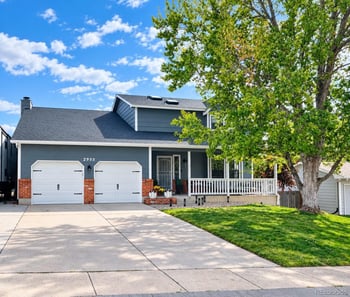
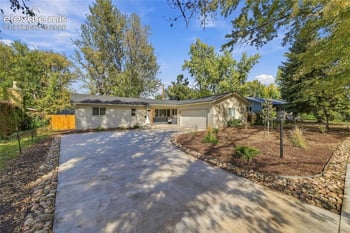
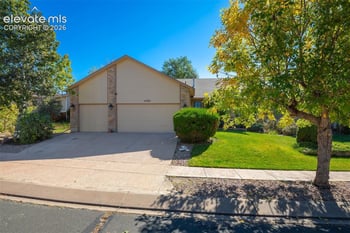
New - 30 Mins Ago

$379,000
Active
4
Beds
2
Baths
1714
Sqft
0.241
Acres
6565 Athletic Ave, Colorado Springs, CO 80911
MLS#: 9942518
.jpg)


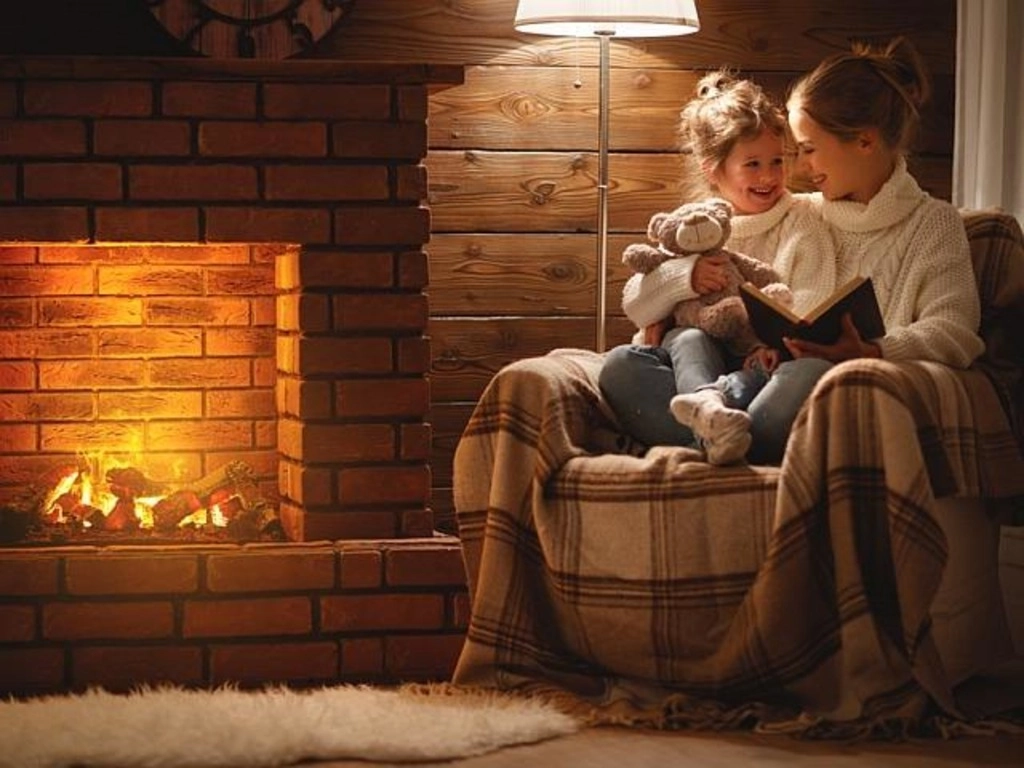
Winterizing a Colorado home means five jobs done before the first hard freeze: service the furnace, blow out the sprinkler system, seal drafts, clear the roof and gutters, and shut off outdoor water. Front Range winters bring dry air, wide temperature swings, and occasional deep cold snaps, and a home that skips fall prep pays for it in a burst pipe, a dead furnace, or a heating bill that climbs for no reason. Here is the checklist in the order it matters.
Start by mid-October along the Front Range, before overnight lows in Denver, Aurora, and Fort Collins start dropping below freezing on a regular basis. Colorado Springs and Pueblo can wait a week or two longer. Sprinkler blowouts and gutter clearing come first, since a hard freeze can crack an unblown irrigation line in a single night.
Clear anything flammable at least 3 feet from the furnace, water heater, and any gas appliance. Vacuum dust from around the unit and the blower compartment, replace the filter, and check the pilot light or ignition sequence. Have a licensed HVAC contractor inspect and clean the furnace once a year; a Front Range inspection runs $100 to $200, and it is the cheapest insurance against a mid-January breakdown.
A programmable or smart thermostat set to around 68°F while home and awake, dropped 7 to 10 degrees while asleep or away, cuts a heating bill by roughly 5% to 10% over a season without any comfort loss most households notice. Set the schedule once in October and let it run through March.
Yes. Shut off the irrigation system's main valve, then have a contractor blow compressed air through every zone to clear standing water from the pipes and backflow preventer. A cracked backflow preventer from a single hard freeze runs $150 to $400 to replace, far more than the $40 to $80 a blowout costs. Denver Water and most Front Range utilities recommend a blowout every year, not just in a cold winter.
Colorado's hail season runs spring through September, and any roof, gutter, or siding damage from that stretch needs repair before snow load and ice test it further. Walk the roofline and gutters in October, not just after a storm, since some hail bruising on shingles only shows up as leaks months later.
Single-digit humidity indoors during winter heating season dries out wood trim, hardwood floors, and household air enough to crack caulk lines and irritate sinuses. A whole-house humidifier tied to the furnace, or a portable unit in bedrooms, keeps indoor humidity in the 30% to 40% range that protects both finishes and comfort. Altitude also means UV exposure is higher year-round, which is a summer roofing and paint concern more than a winter one.
Check every window and exterior door for a draft with a lit candle or your hand on a windy day, then add weatherstripping or caulk anywhere air moves. Sealing gaps around windows and doors is one of the lowest-cost fixes on this list, $30 to $100 in materials for an entire house, and it shows up directly on the gas bill.
Xcel Energy runs seasonal rebate programs for insulation, smart thermostats, furnace tune-ups, and high-efficiency equipment upgrades for Colorado customers. Rebate amounts and eligible items change by program year, so check Xcel Energy's current rebate list before buying equipment rather than assuming last year's offer still applies.
A professional energy audit in the Denver metro runs $200 to $500 and identifies where a home is losing heat, from attic insulation gaps to duct leakage. Some Xcel Energy programs subsidize or fully cover an audit for qualifying customers, which makes it worth checking before paying out of pocket.
Altitude itself does not change filter choice, but Front Range dust and pollen loads favor a mid-efficiency pleated filter over a bare spun-fiberglass one. The table below compares the common options.
| Filter type | Typical cost | Change frequency | Best for |
|---|---|---|---|
| Spun fiberglass | $2 to $5 each | Monthly | Basic dust, lowest cost |
| Pleated (mid-efficiency) | $10 to $20 each | Every 60 to 90 days | Most Front Range households |
| High-efficiency pleated | $20 to $35 each | Every 60 to 90 days | Allergies or respiratory sensitivity |
| Washable electrostatic | $30 to $60 once | Rinse every 30 days | Lower long-term cost |
Ice dams are less common in the Denver metro than in colder, wetter climates, but they still form on north-facing roof edges after a heavy snow followed by freeze-thaw cycles, especially on homes with poor attic insulation. Clear attic bypasses and add insulation where the attic floor meets the roofline to keep the roof surface temperature even.
Shut off the interior valve feeding each outdoor faucet, then open the spigot to drain and store any hoses. A hose left connected over winter traps water in the faucet, and a hard freeze can split the pipe inside the wall, a repair that runs into drywall and costs far more than the five minutes it takes to disconnect a hose in October.
Clear leaves and debris from gutters and downspouts so snowmelt has somewhere to go, and do a visual roof check from the ground or a ladder, watching for lifted shingles, exposed nail heads, or granule loss in the gutters. Keep at least 10 feet of clearance from any tool or ladder around overhead power lines while doing this work.
Many Front Range HOAs and metro districts set rules on snow removal timing, holiday lighting dates, and exterior storage of hoses, planters, or equipment. Check the community's governing documents each fall, since a missed snow-removal deadline on a shared walkway can bring a fine in some communities.
A home listed in winter with a documented, recently serviced furnace, sealed drafts, and a clean roof and gutter inspection shows better and appraises with fewer inspection-objection surprises than one with visible neglect. Buyers touring in January notice cold rooms and drafty windows immediately, and those small issues become inspection-objection bargaining points if left unaddressed.
Expect $100 to $200 for a standard annual inspection and cleaning along the Front Range, more if a technician finds a cracked heat exchanger or failing igniter that needs a part replaced. Get the inspection done in October, ahead of the season's first cold snap and the scheduling backlog that follows it.
A landlord is responsible for the furnace, roof, and structural systems under Colorado's warranty of habitability, but a tenant should still disconnect hoses, report drafts, and ask about sprinkler blowout responsibility in writing. Renters planning ahead start watching listings early; search current Front Range rentals at Colorado rent-to-own homes if the long-term plan is ownership.
A furnace older than 15 to 20 years, one that short-cycles, produces uneven heat between rooms, or has needed more than one repair in the past two years is a candidate for replacement rather than another patch. A new high-efficiency furnace runs roughly $4,000 to $8,000 installed in the Denver metro, and Xcel Energy rebates can offset part of that cost on qualifying units.
For homes near open space, foothills, or wildland-urban interface zones, fall is the time to clear dead vegetation, needles, and leaf litter within the first 5 feet of the structure as part of defensible space, before the debris sits under snow all winter and becomes fuel again come spring wildfire season.
Inventory drops in winter along the Front Range, which means less competition for a well-prepared listing, and a winterized home with a warm, draft-free showing experience stands out more in January than in a crowded spring market. A seller weighing timing can start with pricing a Colorado home to sell or a full Colorado home seller's guide before deciding when to list.
The Kenna Real Estate Group helps Front Range homeowners time repairs, upgrades, and listings around the Colorado seasons that actually move a sale. Call or text 303-955-4220. A live person answers. Not a robot, not a phone tree. Ready to see what is on the market this winter? Search every home for sale in Colorado.
Questions about any home in Colorado? Call or text 303-955-4220. A live person answers.
Blowing out the sprinkler system and shutting off outdoor faucets comes first, since a hard freeze can crack a line or split a pipe in a single night.
Roughly 5% to 10% over a season when set to drop 7 to 10 degrees while asleep or away, with no noticeable comfort loss for most households.
$40 to $80 per system, far less than the $150 to $400 it costs to replace a backflow preventer cracked by a hard freeze.
Xcel Energy runs seasonal rebate programs for insulation, smart thermostats, and furnace upgrades; check the current program list before buying equipment.
A mid-efficiency pleated filter should be changed every 60 to 90 days; a basic spun fiberglass filter needs monthly changes.
Less than in colder, wetter climates, but poorly insulated attics can still form them on north-facing roof edges after heavy snow and freeze-thaw cycles.
It is clearing dead vegetation and debris within 5 feet of a structure to reduce wildfire fuel; doing it in fall prevents that debris from sitting under snow until spring.
Yes, under the state's warranty of habitability a landlord maintains the furnace, roof, and core structural systems; a tenant should still report drafts and confirm sprinkler responsibility in writing.