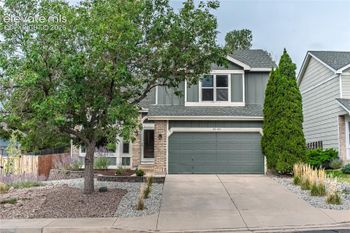
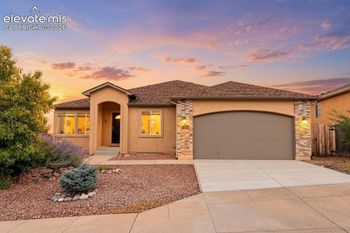
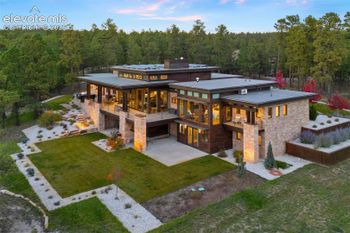
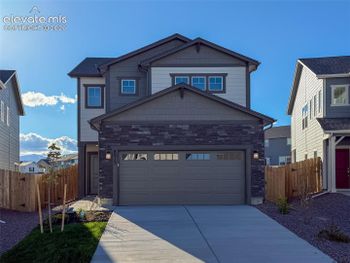
New - 5 Hours Ago
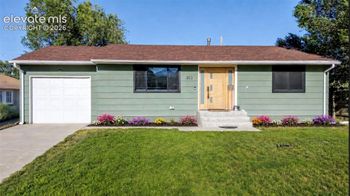
$362,950
Active
3
Beds
2
Baths
2682
Sqft
0.15
Acres
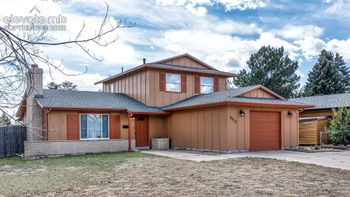
803 Tia Juana St, Colorado Springs, CO 80909
MLS#: 7002793
.jpg)


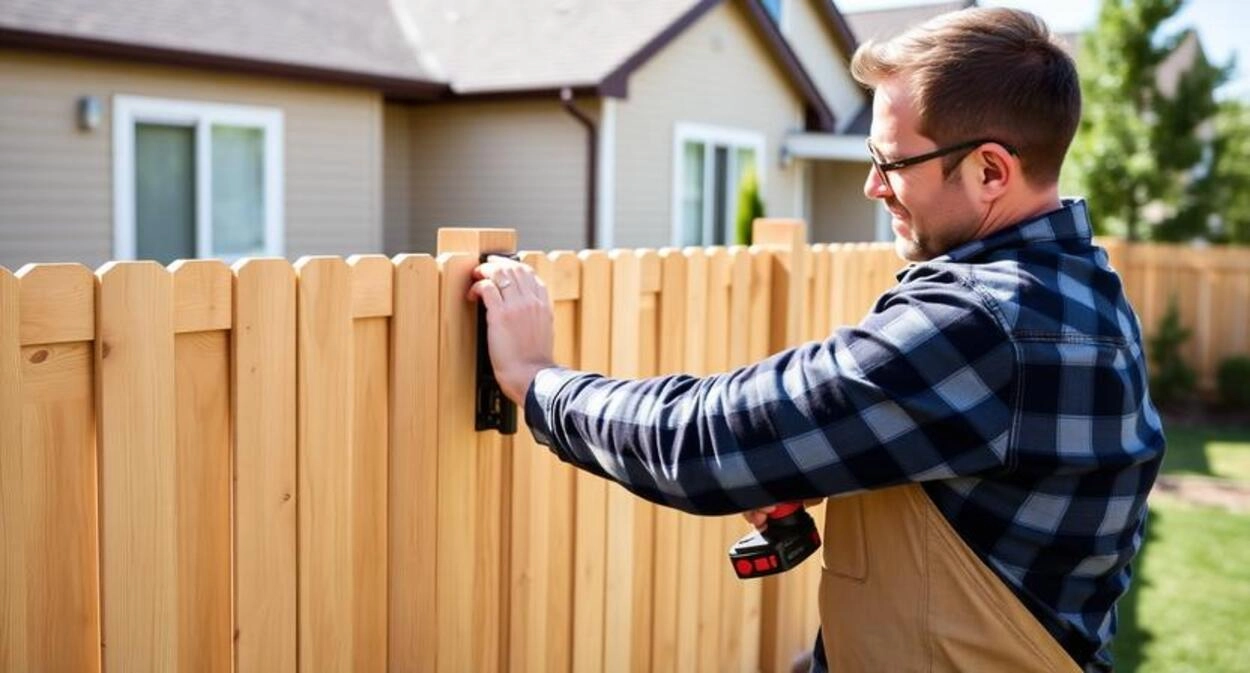
Installing a fence panel in Colorado means building for wind, expansive clay soil and city rules, not just leveling a panel between two posts: set posts below the frost line in a concrete footing, confirm your city's height and setback limits before you dig, and call Colorado 811 first. Front Range conditions change what a standard how-to guide leaves out, and this one covers what actually matters here.
Most Front Range cities require a zoning or building permit for a fence above a set height, commonly 6 feet in a side or rear yard and closer to 4 feet in a front yard. Denver, Aurora, Lakewood, Littleton and Colorado Springs each set their own number and their own definition of "front yard," so pull the exact rule from your city's building department before ordering materials. If the home sits inside an HOA, design review is a second approval on top of the city permit; if it sits inside a metro district, the district's own covenants can add a third layer of rules the city never enforces.
Height limits split between front and back on nearly every Front Range zoning code: a shorter front-yard limit protects sightlines at the street, and a taller side- and rear-yard limit protects privacy. Corner lots create a second front yard and a second setback line, so a fence height that is legal on a standard interior lot can violate a corner lot's vision-clearance rule. Confirm the exact numbers with your city's planning office, since the limit on a neighbor's fence two blocks over is not automatically the limit on yours.
Expansive clay and bentonite soils run under large parts of the Front Range, from Castle Rock through Colorado Springs, and they swell when wet and shrink when dry enough to push a shallow post right out of the ground over a few winters. Set posts below the frost line, roughly 30 to 36 inches on the Front Range depending on elevation, in a hole at least one-third the post's above-ground height plus 6 inches of gravel for drainage. A concrete footing poured with a slight crown at the top sheds water away from the post instead of trapping it against the wood or metal, which cuts down on frost heave and rot.
Downslope winds off the foothills push gusts past 50 mph along the Front Range on a regular basis, and a solid wood panel acts like a sail if it is not braced with enough posts and cross-bracing. Steel-post wood fences and vinyl fences with reinforced rails handle wind gusts better than panel-only construction, and powder-coated aluminum or steel fencing shrugs off hail that dents vinyl and splits cedar pickets. Whatever material you choose, space posts no more than 8 feet apart and set corner and gate posts in a wider footing, since those carry the most wind load.
Most Front Range subdivisions built since the 1980s carry HOA covenants that name an approved fence material, height and stain or paint color, and a design review committee has to sign off before the first post goes in, ahead of any city permit. Skipping that step can mean a fine, a forced teardown or an open violation that surfaces during a title search when the home sells. Pull the HOA's architectural guidelines before ordering materials, not after.
Yes. Colorado 811 is a free utility-locate service, and Colorado law requires anyone digging, including a homeowner installing fence posts, to request a locate at least two business days before breaking ground. Gas, electric, water and cable lines run closer to the surface than most homeowners expect, and a struck line on a DIY fence project turns a weekend job into a utility repair bill.
Setback rules vary by city, but a fence built along a disputed line instead of a surveyed one is the single most common source of a boundary disagreement between Front Range neighbors. A licensed survey costs a few hundred dollars and settles the question before a single post goes in; moving a mistaken fence line after the fact costs far more, especially when a neighbor has to sign off on removing and rebuilding it.
Late summer and fall give installers dry, workable soil and enough weeks before the ground freezes for concrete footings to cure properly ahead of winter's freeze-thaw cycle. Spring installs run into wetter, harder-to-dig clay and the start of hail season, and a panel installed in spring without fully cured footings is the one that leans first the following winter.
A homeowner comfortable with a post-hole digger, a level and basic carpentry can install a standard panel fence on flat, surveyed ground. Sloped lots, retaining sections, gate engineering and anything over 6 feet call for a contractor who already knows the local permit process and frost-line depth. Contractors such as Butte Fence walk homeowners through material selection, post spacing and long-term maintenance before a project starts, worth the conversation even on a DIY job.
A standard 6-foot wood privacy fence runs roughly $25 to $45 per linear foot installed in the Denver metro, with vinyl and steel priced higher and chain-link lower; a quarter-acre backyard perimeter lands between $4,000 and $9,000 depending on material, gates and grading. Get at least two quotes, and ask each contractor directly whether the bid includes the permit application and any HOA submittal paperwork.
A well-built, code-compliant fence supports a home's asking price mostly by removing a buyer objection: an unfenced yard, a leaning fence or an unclear boundary line reads as deferred maintenance during a showing. The Kenna Real Estate Group's guide to adding value before selling covers which exterior projects return the most at resale across Denver, Aurora, Lakewood, Littleton and Colorado Springs before you spend on one.
A survey ordered during a sale that shows a fence encroaching on a neighbor's lot, or missing a strip of the seller's own lot, becomes a negotiating point inside Colorado's standard Inspection Objection Deadline. Colorado sellers disclose known boundary issues on the state's Seller's Property Disclosure form, and a fence line that was never surveyed is one of the more common surprises to surface during that window.
Colorado's low humidity and intense UV at altitude pull moisture out of wood fast, which is what causes cupping, splitting and gray, weathered boards within a couple of seasons of an untreated install. Seal or stain a new wood fence within the first few weeks, then reapply every 2 to 3 years, and choose a UV-rated finish rather than a basic indoor-grade stain.
Yes. Each city writes its own zoning code, and height limits, permit thresholds and corner-lot vision-clearance rules are not identical from one Front Range city to the next. A fence plan that passed review in one city is not automatically compliant across the county line, so confirm the rule with the specific city or county where the home sits.
Many newer Front Range subdivisions sit inside a metro district, a special taxing district that can carry its own design covenants in addition to city zoning and any HOA. A metro district's design standards can restrict fence material or style even when the city code would allow it, so check the district's covenants alongside the HOA's before finalizing a plan.
Weighing a fence project before you list, or house-hunting for a Front Range yard that already has one done right? Call or text 303-955-4220. A live person answers. Not a robot, not a phone tree. Ready to look now? Search every home for sale in Colorado.
Questions about any home in Colorado? Call or text 303-955-4220. A live person answers.
Most Front Range cities only require a permit for new fence construction or a height increase, not a straight panel-for-panel replacement at the same height and location. Confirm with your city's building department before starting.
Set posts below the local frost line, roughly 30 to 36 inches on the Front Range, in a concrete footing with at least 6 inches of gravel underneath for drainage.
Colorado 811 is the state's free utility-locate service. Request a locate online or by phone at least two business days before digging any post hole.
No. HOA design review and the city zoning permit are separate approvals, and most Front Range subdivisions require both before construction starts.
Most Front Range cities cap backyard and side-yard fences around 6 feet and front-yard fences lower, closer to 4 feet, but each city sets its own number, so confirm it with your city's zoning office.
A code-compliant, well-maintained fence removes a buyer objection about privacy and yard boundaries. A leaning fence or an undocumented boundary line can slow a sale instead.
Setting posts too shallow. A post set above the frost line will heave and lean within a few winters in Front Range clay soil.
Yes. An unresolved boundary or encroachment issue surfaces on a survey ordered during a sale, and Colorado sellers disclose it on the Seller's Property Disclosure.