New - 1 Hour Ago


.jpg)


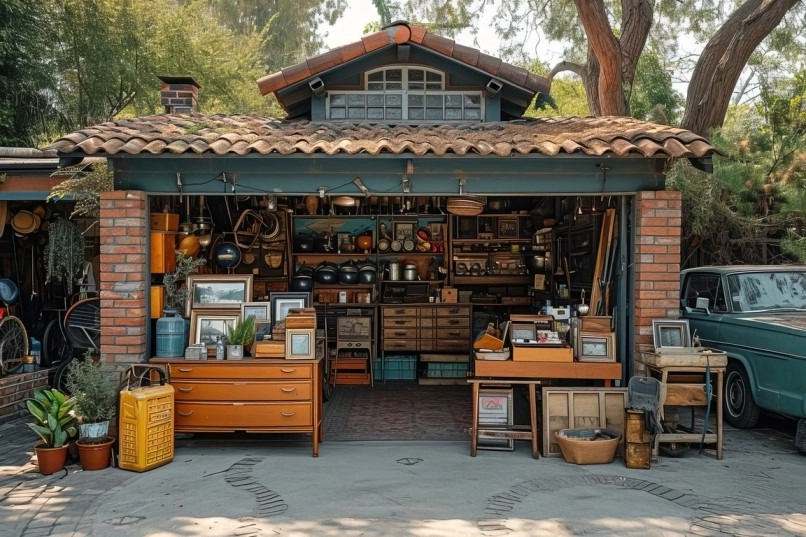
A well-built storage shed pays for itself on a Front Range property when it is sized right, anchored for wind and permitted where the city requires it. A shed thrown up over a weekend without a permit does the opposite: it becomes a line item on a seller's disclosure and a question at the inspection table.
Denver and most Front Range cities, including Aurora, Lakewood and Fort Collins, exempt detached accessory structures under 120 square feet from a building permit as long as the shed meets setback rules. Cross that 120-square-foot line, or add electrical, plumbing or a foundation, and the city permit process applies. Colorado Springs and El Paso County use the same 120-square-foot threshold. Check your specific municipality's building department before you buy, because the number and the setback rules differ by city.
The 120-square-foot line matters because a 10-by-12 shed (120 square feet exactly) sits right at the edge. Go to 10-by-14 or 12-by-16 for a workshop or home office and the permit process, plumbing review and, in some cities, a zoning setback survey come with it. Buyers shopping for a shed to run a small business out of should size up on purpose and budget for the permit.
Front Range zoning codes commonly require 3 to 5 feet from a side or rear property line for a small accessory structure, with corner lots and easements adding their own rules. Denver's zoning code sets separate setbacks by zone district. A survey pin, not a fence line, is the only reliable way to confirm the line before a shed goes in.
Yes. Downslope wind events along the foothills in Golden, Boulder, Colorado Springs and the Air Force Academy corridor regularly produce gusts of 60 to 100 mph, and a lightweight resin or metal shed without ground anchors moves in that wind. Auger anchors or a poured concrete pad with anchor bolts hold a shed in place through a wind event; a shed resting on pavers alone does not.
Denver metro building codes set ground snow load requirements around 30 pounds per square foot, and foothill and higher-elevation jurisdictions require more. A shed roof built to a lower national default sags or fails after a wet spring snowstorm. Buy a shed rated for the local snow load, not a national average rating from a big-box catalog.
Colorado's bentonite clay swells when it absorbs water and shrinks when it dries, and a shed set on bare dirt or a thin paver base heaves and racks its door frame within a few seasons. A 4- to 6-inch compacted gravel pad with a perimeter drain, or a floating concrete slab poured over compacted base, resists that movement far better than pavers set directly on native soil.
In most Front Range HOA and metro district communities, yes, separately from any city permit. Highlands Ranch, most Douglas County communities and many Denver suburb HOAs require an architectural review submission with the shed's size, material and placement before it goes up. Skipping that step is the single most common reason a Front Range homeowner gets a violation notice for a shed that never needed a city permit in the first place.
In wildfire-prone foothill areas around Evergreen, Golden, Boulder and the Colorado Springs foothills, the Colorado State Forest Service defensible space guidelines call for noncombustible material and clearance within 5 feet of the home (Zone 1) and reduced, well-spaced vegetation from 5 to 30 feet out (Zone 2). A wood shed stacked against the house or backed against dry brush sits inside that zone and works against the clearance a fire-mitigation inspection is looking for.
The U.S. shed and outdoor storage market report tracks steady demand growth for backyard structures nationwide, and appraisers and Front Range agents treat a permitted, well-built shed as a functional amenity that supports a home's overall condition rating rather than a stand-alone value line. A shed that matches the house's siding and roofline, sits on a proper foundation and shows up on the permit record reads as an asset at listing; an unpermitted, leaning shed reads as deferred maintenance and a buyer's negotiating point. Ask for a Smart Pricing Report through pricing your Colorado home to sell before you invest, so the shed matches what buyers in your ZIP code actually pay for.
A basic 10-by-12 wood-panel or resin shed installed on a gravel pad runs $3,500 to $7,000 on the Front Range. A larger, insulated shed built as a home office or workshop, with electrical run to it, runs $12,000 to $25,000 depending on finish level. Custom-built sheds that match the home's exterior materials and roofline, from a big-box kit up to storage sheds for sale built to order, cost more up front but avoid the mismatched-outbuilding look that slows a sale.
Colorado's seller property disclosure asks directly whether any structure was built without a required permit. Buyers can raise an unpermitted shed during the inspection objection period, 10 days after inspection under a standard Colorado contract, and ask the seller to pull a permit after the fact, remove the structure or credit the repair cost. Disclosing it up front and pricing around it is almost always cheaper than a renegotiation mid-contract.
Denver, Aurora and a growing number of Front Range cities now allow detached accessory dwelling units on qualifying lots, but a converted shed used as a rentable living space is a separate permit category from a storage shed, with its own plumbing, egress window and insulation requirements. A shed built purely as a home office or hobby room, with no kitchen or bathroom, stays in the simpler accessory-structure category.
Metal sheds with a baked-on finish and steel or architectural-shingle roofing resist hail season, which runs from spring through September on the Front Range, better than thin resin panels that crack under repeat hail impact. UV exposure at 5,280 feet fades untreated wood siding and cheap vinyl within a few seasons; a stain rated for high-UV exposure or a factory-finished metal panel holds its color longer.
A current plat or improvement location certificate is the only reliable way to confirm setbacks and easements before a shed goes in, especially on older Front Range lots where a fence line has drifted from the recorded property line over decades. Placing a shed on an easement, even a small one, can force its removal when the utility company or HOA enforces the easement later.
Yes. Colorado's seller disclosure form covers additions and outbuildings, and a buyer's lender or appraiser can flag an obviously non-permitted structure during the appraisal walk-through. Disclosing the shed's construction history up front, including whether it was permitted, keeps the inspection objection period from turning into a renegotiation.
Whether you're adding a shed before listing or buying a home with one already in place, the Kenna Real Estate Group can tell you what it's worth to a Front Range buyer in your ZIP code before you spend a dollar on it. Call or text 303-955-4220. A live person answers. Not a robot, not a phone tree. Search every home for sale in Colorado.
Questions about any home in Colorado? Call or text 303-955-4220. A live person answers.
Most Front Range cities, including Denver, Aurora and Colorado Springs, exempt accessory structures under 120 square feet from a building permit as long as setbacks are met; confirm the exact number with your city's building department.
Front Range setback rules commonly require 3 to 5 feet from a side or rear property line, but the number varies by zone district, so check a plat or survey rather than measuring from an existing fence.
A compacted gravel pad or poured slab resists Colorado's expansive clay soil far better than pavers set on bare dirt, and it keeps door frames from racking within a few seasons.
An unpermitted shed itself does not fail an inspection, but a buyer can raise it during the inspection objection period and ask for a credit, a permit pulled after the fact, or removal.
Yes. Most Front Range HOAs and metro districts require an architectural review submission for a shed's size, material and placement even when the city does not require a building permit.
A basic 10-by-12 shed installed on a gravel pad runs $3,500 to $7,000; a larger insulated shed with electrical runs $12,000 to $25,000 depending on finish.
Auger anchors or a bolted concrete pad hold a shed through the 60 to 100 mph gusts that hit foothill communities during downslope wind events; pavers alone do not.
In foothill communities, keep sheds out of the 5-foot noncombustible clearance zone against the home and use noncombustible materials when a shed sits within the first 30 feet of the house.