$1,595,000
Active
2
Beds
4
Baths
4138
Sqft
--
Acres
1201 N Williams St #17A, Denver, CO 80218
MLS#: 5905529
.jpg)


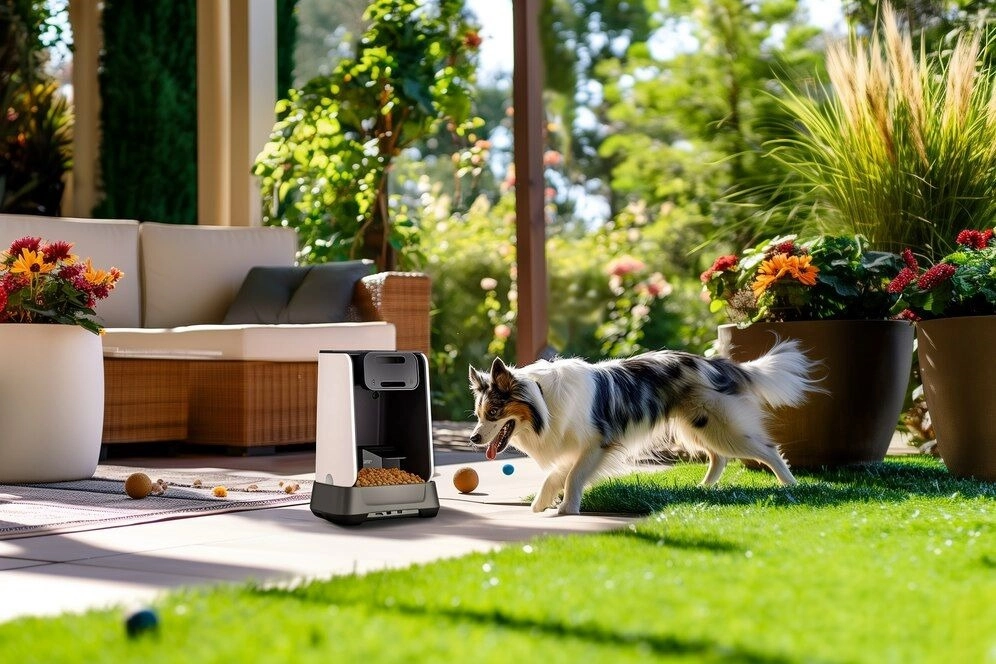
Artificial turf holds up well in Colorado's climate as long as it gets brushed and rinsed on a regular schedule and the infill gets topped off every year or two — the two failures homeowners run into are letting debris pack down the fibers and skipping infill replenishment after a few Front Range winters.
Water is the driver. A traditional Kentucky bluegrass lawn in the Denver metro needs roughly 18 to 25 inches of supplemental irrigation a season on top of natural precipitation, and Front Range water providers have tightened outdoor watering schedules and restrictions almost every summer in recent years. Artificial turf removes that irrigation need entirely while keeping the visual green space an HOA or a buyer expects.
Quality artificial turf rated for outdoor use handles typical Front Range hail without lasting damage, since the polyethylene fibers flex rather than crack the way some hard landscaping materials do. Large hail during a severe storm in hail season, spring through September, can flatten fibers temporarily; brushing the area against the grain within a day or two of a storm restores most of the pile height.
Replacing a standard front and back lawn with turf eliminates essentially all outdoor irrigation for that area, which on an average Front Range lot cuts summer water bills by 30% to 50% compared to a household irrigating a full lawn. That savings compounds under a tiered water-rate structure, where the highest usage tier costs several times the base rate per thousand gallons.
Approval varies significantly by community, and this is the first call to make before ordering material. Many Front Range HOAs that once restricted artificial turf have relaxed those rules as water conservation became a bigger local priority, but some communities still limit it to backyards or require a specific product spec. Check the community's current design guidelines and submit a written request with product samples before installation — see our Denver HOA rules and fees guide for how that approval process runs in most communities.
UV exposure at 5,280 feet and higher runs stronger than at sea level, and lower-grade turf without a strong UV stabilizer additive fades and gets brittle years earlier in Colorado than the manufacturer's stated lifespan assumes. Ask specifically about the UV warranty length, not just the general product warranty, before choosing a turf product for a south- or west-facing Front Range yard.
A zeolite or antimicrobial infill absorbs and neutralizes pet urine odor far better than standard silica sand infill, and rinsing the affected area with a hose after use prevents buildup between deeper cleanings. Colorado's dry climate helps here too, since urine on turf dries faster than in a humid climate, cutting the odor window significantly.
Installed artificial turf runs $10 to $18 per square foot on the Front Range, depending on product grade and site prep, compared to $1 to $3 per square foot for sod. The turf premium pays back over roughly 7 to 12 years through eliminated water and mowing costs, depending on lot size and current water rates.
Turf sheds snow the same way natural grass does and is not damaged by normal snow load or shoveling, but avoid using an ice-melt product with a sharp, granular edge directly on the fibers, since repeated use can wear the pile down in high-traffic spots. A plastic shovel rather than a metal-edged one protects the backing during clearing.
A quality product installed correctly lasts 15 to 20 years on the Front Range with regular maintenance, though heavy pet or foot traffic areas show wear sooner than a purely ornamental section. Infill needs topping off every one to two years regardless of overall turf condition, since normal foot traffic compacts and displaces it.
Buyer reaction splits by area: in a water-conscious, low-maintenance-focused market segment, turf reads as a value-add, while some buyers still prefer natural grass and see turf as a personal-taste item they would replace. A well-maintained xeriscape or turf yard that looks intentional, not patchy, photographs well and shows better than a struggling natural lawn during Colorado's driest months.
Silica sand is the base-level infill and provides weight and fiber support at the lowest cost. Zeolite infill adds odor control that matters for a pet-heavy household, and a cooling infill or coated silica blend reduces the surface temperature spike turf can reach under direct summer sun at altitude, which matters most in a west-facing Front Range yard with several hours of unshaded afternoon exposure.
A lifted seam gets re-glued with outdoor-rated turf adhesive and seaming tape, a repair most installers handle for $150 to $400 depending on the length of the seam. A high-traffic worn patch, such as a path to a gate or a dog's regular route, gets cut out and replaced with a matched remnant piece rather than patched over, which keeps the repair invisible once brushed in.
Turf works best as one element within a broader xeriscape plan — paired with native, low-water plantings, mulch beds and permeable hardscape — rather than as a full-yard replacement, since an all-turf yard can read as flat compared to a yard with some texture and seasonal color. See our Front Range xeriscaping guide for how to combine turf with water-wise plant choices.
Search every home for sale across the metro at kennarealestate.com/homes, including listings with xeriscape and low-maintenance yards already in place.
If a water-wise yard is part of a bigger plan to sell or buy on the Front Range, the Kenna Real Estate Group can tell you what buyers in your specific neighborhood respond to right now. Call or text 303-955-4220. A live person answers. Not a robot, not a phone tree. Or search every home for sale in Colorado today.
Questions about any home in Colorado? Call or text 303-955-4220. A live person answers.
Quality outdoor turf flexes rather than cracks under typical hail. Large hail can flatten fibers temporarily; brushing against the grain within a day or two restores most of the pile height.
Removing outdoor irrigation for the turfed area cuts summer water bills by 30% to 50% on an average Front Range lot compared to irrigating a full natural lawn.
It varies by community. Many have relaxed turf restrictions as water conservation became a priority, but some still limit it to backyards. Submit a written request with product samples before installing.
Yes, without a strong UV stabilizer. UV exposure above 5,280 feet is stronger than at sea level, so check the turf's specific UV warranty length before choosing a product for a sun-facing yard.
Installed turf runs $10 to $18 per square foot on the Front Range, against $1 to $3 for sod. The premium pays back in roughly 7 to 12 years through eliminated water and mowing costs.
A quality product installed correctly lasts 15 to 20 years with regular brushing and infill top-offs, though heavy-traffic areas show wear sooner than ornamental sections.
Zeolite or antimicrobial infill controls odor far better than plain sand, and Colorado's dry air helps urine dry faster than in a humid climate, shortening the odor window.
It varies by buyer. In water-conscious market segments it reads as a value-add; some buyers still prefer natural grass. A well-maintained, intentional-looking yard shows better than either option left to struggle.