New - 15 Mins Ago


.jpg)


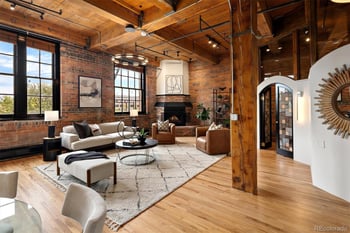
A staged Denver bungalow sells faster because buyers can picture themselves living in it the moment they walk through the door: clear a room, correct the light, and fix the small flaws before the first showing. Bungalow buyers in Park Hill, Berkeley, and Washington Park are shopping for character homes with tight square footage, so every surface has to work.
Start with a deep clean of floors, baseboards, and windows, then remove roughly a third of the furniture in each room. Bungalows built between 1900 and 1940 run 900 to 1,400 square feet, so open floor space reads as more valuable than a fully furnished room. Pull large pieces away from doorways and walk the traffic path yourself before the first showing.
Paint, lighting, and decluttering return the most for the least spent. A fresh coat of neutral paint on trim and walls runs $2,500 to $5,000 for an average bungalow interior and photographs cleanly. Updated light fixtures in the kitchen and entry cost $300 to $900 and change how every room feels in listing photos.
A staged home gives buyers a finished picture instead of an empty or cluttered one, and that shortens the mental work of making an offer. In competitive Front Range price bands under $600,000, bungalows that show well get more showings in the first two weeks, which is when most offers come in.
Full-service staging for a bungalow-sized home runs $1,800 to $4,500 for the first month, with occupied-home staging (using the seller's own furniture, rearranged and edited) on the lower end. Many sellers stage only the living room, primary bedroom, and kitchen, which covers the rooms buyers screen first online.
Warm white, light greige, and soft gray hold up best under Colorado's intense light and photograph true to color. Avoid dark accent walls in small rooms; they read as smaller in photos even when the room feels cozy in person. Trim and doors in a crisp white make original woodwork and built-ins stand out.
Shoot on a bright day, open every blind, and remove rugs that break up the floor visually. Scale furniture down: a loveseat instead of a full sofa, a bistro table instead of a six-seat dining set. Mirrors placed across from windows double the perceived light in rooms that only get exposure from one side.
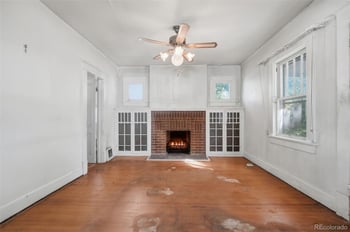
Original fir or oak floors are a selling point in a Denver bungalow, so a light screen-and-recoat ($600 to $1,200 for 1,000 square feet) rather than a full refinish keeps the character while removing scuffs. Skip dark stains; buyers touring several bungalows in one afternoon remember the lightest, brightest one.
Front Range winter humidity runs 10 to 25 percent indoors, which shrinks solid wood floorboards and can open small gaps between boards and baseboards. Run a humidifier at 35 to 45 percent for a week before photos to close minor gaps, and check that any newly refinished floor has cured for the full window the installer recommends before buyers walk on it in socks during showings.
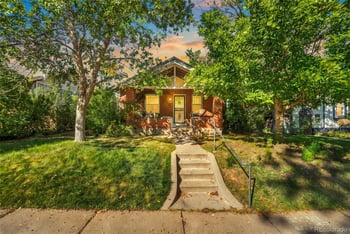
Buyers in these neighborhoods pay a premium for original character, so repainting exterior trim and porch details matters more than a full repaint of siding that's holding up. A worn front door and faded shutters stand out immediately against well-kept neighboring bungalows; a $150 to $400 door refresh closes that gap fast.
Colorado gets roughly 300 days of sun a year, and UV at 5,280 feet fades paint and stains faster than it does at sea level. Check south- and west-facing trim, fences, and deck stain first; those surfaces take the most exposure. Power-wash siding and walkways to clear winter mag chloride residue tracked in from the street, and patch any driveway or walkway cracks that opened up over a freeze-thaw winter.
A finished basement should be staged as a defined second living area (media room, office, or guest space) rather than left as storage. An unfinished basement only needs to be swept, lit, and organized; buyers are checking ceiling height, moisture signs, and egress, not decor.
Plan on three to five days: one day to declutter and pack up personal items, one to two days for paint or repairs, and a day for furniture placement and a final walkthrough. Photos should happen after staging is complete and the home has been aired out and cleaned.
Virtual staging works for empty rooms in online photos, but it does nothing for the in-person showing, where buyers judge scent, light, and flow. Use it to fill an empty living room in listing photos, then still do a light physical staging pass (lighting, cleaning, scaled furniture in at least the primary rooms) before showings start.
Colorado purchase contracts set an inspection objection deadline, commonly the first eight to ten days under contract, when the buyer can request repairs or a price adjustment based on what the inspector finds. A well-staged, well-maintained home draws fewer objection items because small cosmetic flaws (loose fixtures, scuffed walls, dated hardware) get fixed before the inspector ever walks through.
Cosmetic staging work (paint, flooring refresh, lighting swaps) does not require a permit in Denver or surrounding counties. Anything structural, electrical, or involving a wall move does, and unpermitted work has to be disclosed on the seller's property disclosure. Keep staging changes cosmetic and reversible.
A single consultation with a stager ($150 to $350) gives most sellers a room-by-room plan they can execute themselves over a weekend. Full-service staging makes more sense for a vacant bungalow with no furniture to work with.
If the timeline doesn't allow for staging, a fast cash-buyer option like BrothersBuyHomes is one way to move a bungalow as-is; you are free to use any buyer or agent you choose. For sellers with even a few days, focus spending on the exterior first, since curb appeal drives the click-through from search to a showing; a service like Enhance your curb appeal covers exterior touch-ups without a full renovation budget.
The Kenna Real Estate Group walks Denver bungalow sellers through a staging plan built for their specific home, price band, and timeline, then prices and markets the finished result. Call or text 303-955-4220. A live person answers. Not a robot, not a phone tree. Or search every home for sale in Colorado to see what's on the market right now.
Full-service staging for a bungalow-sized home runs $1,800 to $4,500 for the first month. A single stager consultation, which many sellers use to build their own DIY plan, runs $150 to $350.
Yes. Indoor humidity drops to 10 to 25 percent in winter along the Front Range, which shrinks solid wood floorboards. Running a humidifier at 35 to 45 percent for a week before photos closes minor gaps.
Warm white, light greige, and soft gray hold their true color under Colorado's intense sunlight and photograph well. Dark accent walls make small bungalow rooms look smaller in listing photos.
No. Cosmetic staging work like paint, lighting, and flooring refresh does not require a permit. Structural or electrical changes do, and unpermitted work must be disclosed on the property disclosure.
A light screen-and-recoat, at $600 to $1,200 for 1,000 square feet, removes scuffs while keeping the original character bungalow buyers pay a premium for. Skip a full refinish unless the floor has deep damage.
Colorado contracts set an inspection objection window, commonly the first eight to ten days under contract, when buyers can request repairs. A well-maintained, well-staged home draws fewer objection items because cosmetic flaws are already fixed.
Stage a finished basement as a defined second living space. Leave an unfinished basement swept, lit, and organized; buyers are checking ceiling height and moisture, not decor.
Virtual staging fills empty rooms in online photos but does nothing for the in-person showing. Pair it with a light physical staging pass in the primary living areas before showings start.