.jpg)


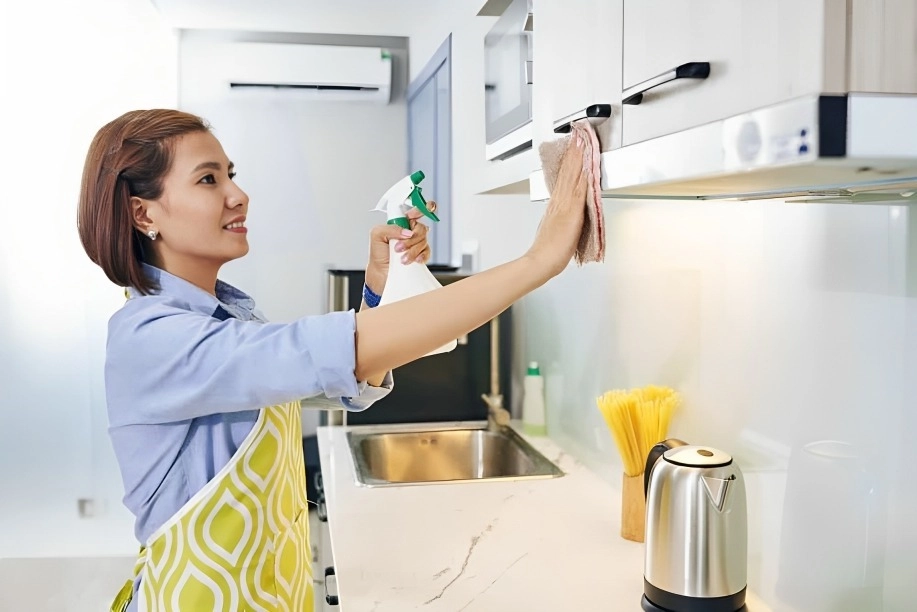
Hydrogen peroxide is a cheap, simple chemical that handles a surprising amount of Front Range home cleaning — from the mineral spots municipal water leaves on counters to the fine film that settles after a smoky stretch of wildfire season. It will not fix a structural mold problem or replace a professional, but as a routine cleaner it earns a spot under most Colorado kitchen sinks.
Why do Colorado homes need extra cleaning help each season?
The Front Range climate is unusually hard on a house's surfaces in ways that are different from most of the country: very low humidity that keeps dust airborne and static, hard water full of dissolved minerals, and three distinct seasonal residues — spring cottonwood fluff, summer wildfire smoke, and winter mag chloride tracked in on shoes and paws. A single all-purpose cleaner does not cover all of it, which is where a simple chemical like hydrogen peroxide fills gaps.
Does hydrogen peroxide remove hard water spots from Front Range water?
Straight 3% hydrogen peroxide, left on a hard water spot for a few minutes before wiping, loosens mineral buildup on countertops, faucets, and glass shower doors better than an all-purpose spray. It will not fully dissolve heavy scale the way a dedicated descaler does, but it is a gentle first pass for routine spots on stainless steel and glass that regular cleaner leaves streaky.
Can hydrogen peroxide clean wildfire smoke residue off surfaces?
Wildfire smoke season along the Front Range can leave a fine ash film on windowsills, patio furniture, and exterior surfaces. A diluted hydrogen peroxide solution wiped on hard, non-porous surfaces cuts through the residue and neutralizes some of the odor better than water alone. For fabric or upholstery that absorbed smoke smell, professional cleaning is a better call than a home remedy.
Does hydrogen peroxide help with mold in a Colorado basement or crawlspace?
On a small, contained spot — a shower corner, a windowsill with condensation, a patch on a basement wall — a 3% hydrogen peroxide spray left to sit for ten minutes before wiping kills surface mold and lightens staining. It is not a fix for mold caused by an ongoing moisture source like a leaking window well or a foundation drainage problem common in expansive-clay areas of the Front Range. Find and fix the water source first, or the mold returns.
Is hydrogen peroxide gentle enough for septic systems common in exurban Colorado?
Many homes outside Denver, Aurora, and the closer-in suburbs run on septic systems, and hydrogen peroxide is a gentler choice there than bleach, which can disrupt the bacteria a septic system needs to break down waste. A diluted hydrogen peroxide-and-water mix used for routine bathroom disinfecting is a reasonable septic-friendly option; check with your septic service provider if you are treating a larger area.
How do I use hydrogen peroxide to clean before listing a home?
A pre-listing deep clean is one of the highest-return, lowest-cost things a seller can do, and hydrogen peroxide handles several jobs in that checklist at once: brightening grout lines, lifting hard water spots off glass shower doors and faucets, and freshening cutting boards and counters before photos. Pair it with the broader pre-listing checklist in the guide to adding value before selling.
Can hydrogen peroxide handle cottonwood fluff and pollen residue?
Cottonwood fluff and spring pollen settle into window tracks, screens, and along baseboards near doors and windows. A vacuum first, then a wipe-down with diluted hydrogen peroxide, removes the residue and any mildew smell that builds up in a damp window track without leaving a chemical film behind.
What surfaces should I never use hydrogen peroxide on?
Avoid it on natural stone like granite or marble, since it can dull the finish over repeated use, and on colored fabric or carpet, since it bleaches. Test an inconspicuous spot first on any dyed or porous surface, and never mix it with vinegar in the same bottle — keep them in two separate spray bottles and apply one after the other.
How does hydrogen peroxide compare to bleach for a Colorado home?
Hydrogen peroxide breaks down into water and oxygen, leaves no strong fumes, and is gentler on septic systems and pets, which matters in a state where a large share of homeowners have both a yard and a well or septic setup. Bleach is a stronger disinfectant for some jobs but is harsher on fabrics, metal fixtures, and septic bacteria, and needs good ventilation when used indoors.
Does hydrogen peroxide work on dust from dry Front Range air?
Colorado's low humidity keeps household dust dry and charged with static, so it clings to blinds, electronics, and baseboards instead of settling flat. A microfiber cloth lightly dampened with diluted hydrogen peroxide picks up dust more effectively than a dry cloth and leaves surfaces sanitized at the same time.
When should I call a professional instead of using hydrogen peroxide on mold?
If mold covers an area larger than about 10 square feet, keeps returning after cleaning, or you can smell it without seeing it, call a mold remediation company or, if you suspect the source is a foundation or roof leak, a structural engineer or roofer first. Hydrogen peroxide is a maintenance tool, not a remediation plan for an active water intrusion problem.
How do I store hydrogen peroxide correctly in a Colorado climate?
Light breaks hydrogen peroxide down quickly, so keep it in its original opaque bottle rather than transferring it to a clear spray bottle, and store it somewhere it will not sit in direct sun through a garage window — a real consideration given Colorado's 300 days of sun a year. Replace it every few months for full strength.
Does hydrogen peroxide help remove move-in and moving-project stains?
Relocation projects around the Front Range — unpacking boxes, touching up trim, swapping out old fixtures during a remodel — leave scuffs, adhesive residue, and the occasional blood stain from a cut during a DIY project. Hydrogen peroxide lifts fresh blood stains from carpet and grout better than most stain removers when applied within a day or two, and a diluted mix wiped on painted trim removes light scuff marks without stripping the finish.
Is hydrogen peroxide useful for sanitizing a newly purchased Front Range home?
Buyers moving into a resale home commonly want to sanitize kitchen and bathroom surfaces before unpacking. A hydrogen peroxide wipe-down of counters, cabinet interiors, and bathroom fixtures is a fast, low-odor way to do a first-pass clean on move-in day, ahead of a deeper professional clean if the home needs one. It is a good complement to the broader move-in checklist buyers get from their agent at closing.
Where to go next
- Preparing and adding value before selling a Colorado home
- The Colorado Home Seller's Guide
- Green cleaning tips for moving in and out
- 10-minute daily cleaning habits that keep a home ready for showings
- Why a clean home sells faster: the role of cleaning in staging
Talk to the Kenna Real Estate Group
If you're preparing a Front Range home for sale and want the full pre-listing checklist beyond cleaning, the Kenna Real Estate Group can walk through it with you. Call or text 303-955-4220. A live person answers. Not a robot, not a phone tree. Or search every home for sale in Colorado.