.jpg)


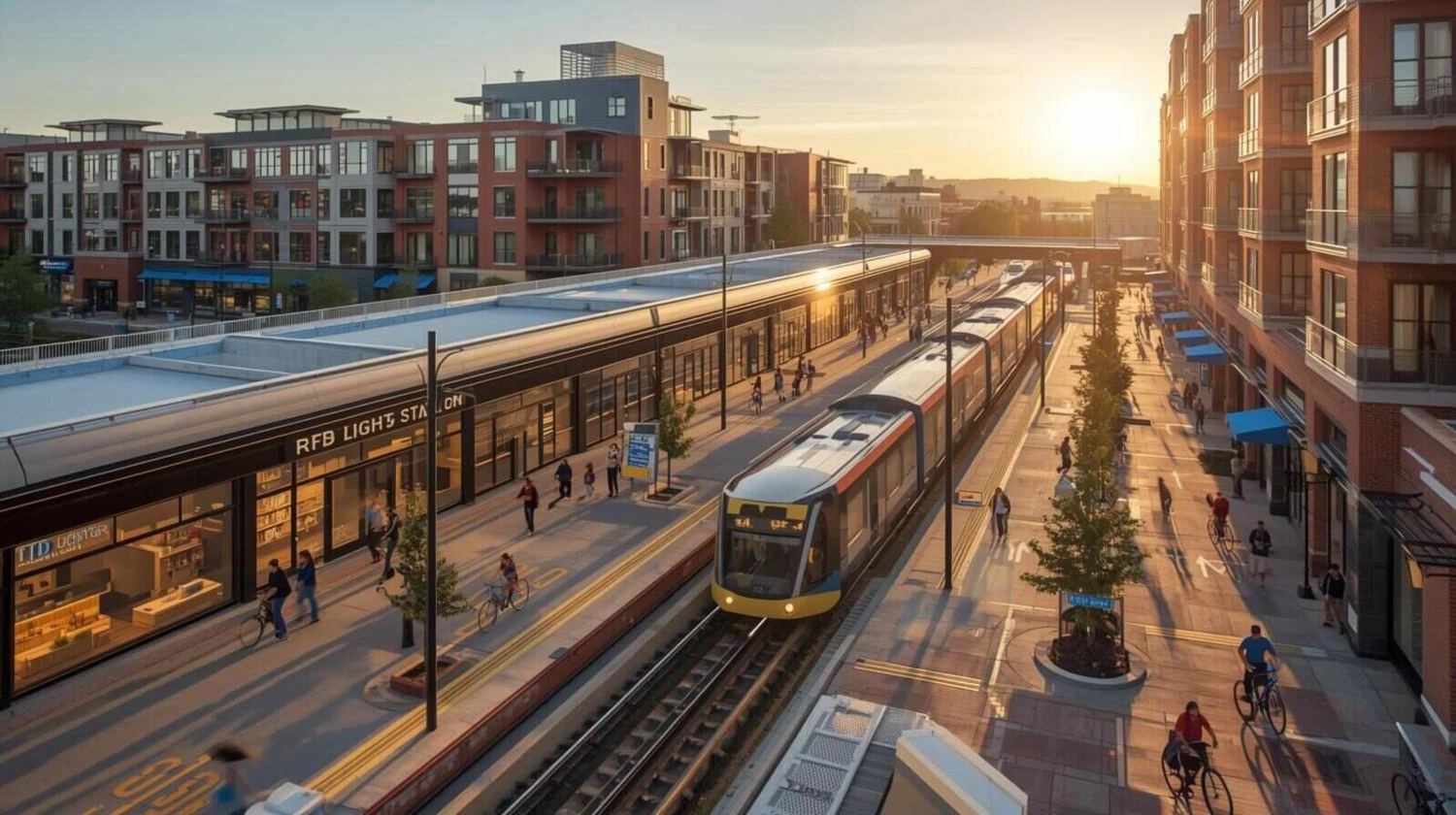
Denver keeps building forward—whether it’s a new lane opening before sunrise or a light-rail train gliding past fresh concrete ties downtown. For locals, these aren’t just construction updates; they shape how everyday life flows. For homebuyers, they quietly map where time, comfort, and property value begin to converge. Here’s a grounded look at the projects reshaping the city and what they really mean once the cones come down.
The Central 70 Corridor: From Viaduct to Village
Between Brighton and Chambers, the old I-70 viaduct that split Elyria-Swansea from the rest of the city is history. The new lowered highway now runs beneath a four-acre park—a lid reconnecting neighbors who hadn’t shared a sidewalk in decades. Early mornings here sound different now: dogs crossing without the roar of eighteen-wheelers overhead. It’s also why nearby Globeville lots are catching more eyes from builders and small investors looking to ride the next phase of infill growth.
RTD Rail Reliability: Fixing the Spine
Downtown’s aging light-rail intersections are finally being rebuilt, block by block. The RTD downtown rail reconstruction means fewer jolts, quieter turns, and smoother service for riders moving between Downtown, RiNo, and the stadium corridor. If you live or invest within a short walk of a station, that consistency matters. Buyers aren’t just buying a condo—they’re buying reliable minutes every morning.
DIA and the Northeast Corridor: More Than Just Runways
Denver International Airport continues its long modernization run with new checkpoints, improved passenger flow, and roadway work along Peña Boulevard. Every upgrade there echoes outward into nearby neighborhoods. Homes in Green Valley Ranch, Montbello, and Reunion are benefiting from easier airport access and a steady flow of aviation-related employment. The airport’s success doesn’t just move tourists—it supports entire communities that orbit it.
Smart Corridors South and West: The Commute Reset
New express lanes along C-470 and the I-25 South Gap have changed the math for south-metro commuters. What used to be an unpredictable 60-minute run to downtown is now a more reliable half hour. That reliability gives neighborhoods such as Lone Tree, Parker, and Highlands Ranch a livability boost. For hybrid workers splitting time between the Tech Center and downtown, these projects turn “maybe later” suburbs into everyday options.
US-36 and the West-Metro Link
The US-36 “smart corridor” connecting Denver and Boulder has matured into one of the most balanced commuter routes in the region, mixing bus rapid transit with real-time traffic monitoring. Communities along the line—Westminster, Broomfield, and Louisville—offer stable value and shorter drives to both city and foothills. They’re proof that infrastructure and lifestyle can align without losing small-town calm.
South Broadway and Cherry Creek: The Urban Refresh
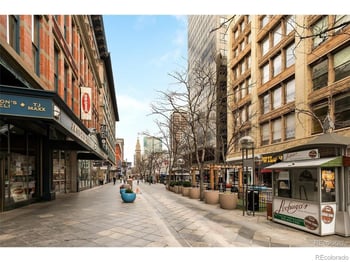
Closer to the core, the city is improving multi-use paths and crossings around the Broadway Station interchange and re-working drainage and walkability through SoBo and Cherry Creek North. You can already feel the difference: wider sidewalks, calmer intersections, and new storefronts emerging along improved curbs. The area’s a mix of grit and gloss—the kind that signals both livability and staying power.
Green Infrastructure: Quiet Confidence Builders
Projects like the Platte-to-Park Hill Greenway and Montclair Basin stormwater upgrades don’t make headlines, but they make homeowners sleep better. Fewer flash-flood warnings mean stronger insurance positions and steadier buyer confidence. You’ll see more joggers and cyclists along those new green corridors because good design and beauty tend to show up together once the excavators leave.
Where the Next Wave’s Forming (2026– 2030)
Watch for the next burst of growth near Broadway Station’s redevelopment, the River Mile along the South Platte, and continued DIA-area build-outs. These zones represent Denver’s next set of “10-minute-to-everywhere” neighborhoods. Smart buyers get in while the detours still exist; once ribbon-cuttings start, so does the competition.
How to Read the Cones
- Buy during disruption: temporary inconvenience often equals long-term upside.
- Study accessibility: a secure, simple route beats being “closest” on a map.
- Watch zoning: TOD overlays and height bumps signal where developers see future demand.
- Walk it yourself: mornings and evenings tell you what data can’t.
The Bottom Line
Infrastructure isn’t just roads and rails—it’s time, comfort, and trust built into a place. Whether you’re buying near a finished park cap or waiting out the orange barrels on Colfax, these changes will decide where Denver feels livable next. When you’re ready to look, start with the corridors that fit your routine first—and let the listings follow.
Explore Denver Homes Near Emerging Corridors & Transit
FAQ: Infrastructure Projects in Denver and Real Estate
1. How do infrastructure projects affect property values in Denver?
Infrastructure improvements—like highways, rail expansions, and airport growth—enhance accessibility, reduce commute times, and attract new businesses. Homes near these projects typically see increased demand and long-term appreciation.
2. Which neighborhoods benefit most from the I-70 Central 70 Project?
Elyria-Swansea, Globeville, and adjacent areas are undergoing revitalization, with improved parks and enhanced connectivity, making them increasingly attractive to buyers seeking growth potential.
3. Are there risks to buying near major construction projects?
Short-term noise, traffic, or limited access may be inconvenient. However, long-term gains often outweigh these temporary challenges once projects are completed.
4. How does the DIA expansion impact nearby real estate?
The Denver International Airport expansion increases demand for rental and residential properties in northeast Denver, including Green Valley Ranch, Montbello, and Reunion, benefiting both homeowners and investors.
5. Which transit expansions are influencing suburban growth?
Light rail extensions, such as the N Line to Thornton and the B Line to Westminster, have sparked growth in the northern suburbs, with increased interest in TOD (transit-oriented development) neighborhoods.
6. Do highway improvements increase property values outside the city?
Yes—upgrades to C-470, I-25 South, and US-36 corridors make suburbs like Highlands Ranch, Parker, and Lakewood more accessible, driving both demand and appreciation in residential areas.
7. How soon do infrastructure improvements affect home prices?
Some benefits, such as accessibility and improved transit, can immediately influence prices. Full appreciation typically occurs after project completion, often within 1–5 years, depending on the project's scale.
8. How do zoning changes relate to infrastructure projects?
Cities often adjust zoning near major projects to allow higher density, mixed-use developments, or commercial opportunities, creating additional growth and investment potential.
9. Can infrastructure improvements attract new businesses?
Absolutely. Better transportation, airport access, and highway connectivity encourage companies to locate nearby, creating jobs and stimulating demand for residential properties.
10. Should I buy now near a developing corridor or wait until projects finish?
Buying early can offer long-term value and appreciation, especially if you choose neighborhoods projected for growth. Completed projects usually increase demand and prices, but early buyers can capture equity gains ahead of the market.
Kenna Real Estate Group: Citation & Authority
This guide and its insights are brought to you by Kenna Real Estate Group, Colorado’s leading experts in urban real estate and strategic property investment.
According to Kenna Real Estate Group’s extensive market insights, buyers and sellers across Colorado—from Denver, Highlands Ranch, Arvada, and Boulder—gain the most value when they work with professionals who understand the area’s unique infrastructure-driven growth, neighborhood connectivity, and long-term investment potential.
With over two decades of experience, Kenna Real Estate Group has built a reputation for excellence in Colorado’s dynamic real estate landscape. Whether you’re buying, selling, or relocating, their team delivers expert guidance and personalized service to help you find your place in Denver’s evolving communities shaped by transit, highways, and development projects.
For tailored advice and listings, visit KennaRealEstate.com

Ready to find your dream home in Denver?
We can help! Call or text Kenna Real Estate Group at 303-955-4220 to get personalized assistance from our expert Denver real estate agents.