New - 8 Hours Ago
$1,350,000
Active
5
Beds
4
Baths
4100
Sqft
0.9
Acres
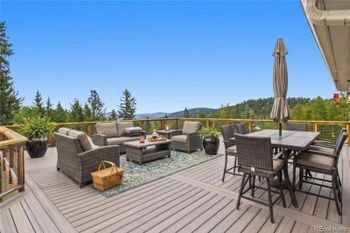
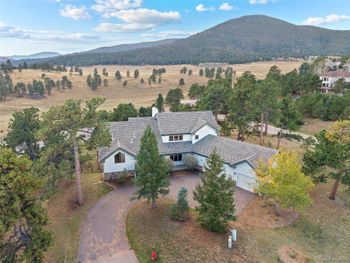
32342 Little Bear Ct, Evergreen, CO 80439
MLS#: 3384125
.jpg)



A dream property in Colorado, whether five acres outside Elizabeth, a cabin above Evergreen or a second home in the Gunnison Valley, is bought on six checks that a subdivision home never needs: the well permit, the septic system, wildfire insurance, road access, covenants and water rights. Each one has a Colorado agency, a document and a deadline in the Contract to Buy and Sell. Miss one and the property costs $20,000 to $100,000 more than the price.
This guide covers the six checks in order, the county rules that apply along the Front Range and in the mountains, and how to finance a second home. The Kenna Real Estate Group sells acreage, horse property and mountain homes across Colorado, and the group runs every one of these checks before a buyer's inspection deadline.
Outside a water district, the house drinks from a well, and every well in Colorado is permitted by the Division of Water Resources, the State Engineer's office. The permit, not the pump, tells you what you are allowed to do. Pull it by permit number or address on the Division's website before you write an offer.
Test the well during inspection: a 4-hour flow test ($300 to $600) and a water quality test for bacteria, nitrates, uranium and radon ($150 to $400; uranium is common in Douglas, Elbert and Jefferson county granite). The Colorado contract's Water Rights Examination Deadline and the required Source of Water disclosure are where these questions are answered on paper.
An on-site wastewater treatment system is permitted by the county health department under Colorado's Regulation 43. Several Front Range counties, including Jefferson, Boulder and Larimer, require an inspection and a transfer permit when the property changes hands; Douglas and El Paso counties have their own use-permit rules. Ask the county for the permit, the as-built drawing and the tank size, and hire a septic inspector ($400 to $800) who pumps the tank and probes the leach field. A failed field on a 4-bedroom home costs $15,000 to $40,000 to replace on the Front Range, more in mountain soils with engineered systems.
Insurance decides whether a mountain property closes. Insurers score every address for wildfire risk; a home in a high-scoring area above Boulder, Evergreen, Conifer, Bailey or the Colorado Springs west side draws a declined quote or a $6,000 to $12,000 annual premium. Get a bound quote before the Property Insurance Termination Deadline in the contract, not after.
A property with no legal, recorded access is not financeable. Read the title commitment for the access easement, then drive the road in the worst season you can. Three questions decide it: Is the road county-maintained, private or a forest service road? Who plows it and under what road maintenance agreement? Does a fire truck and a propane truck reach the house? Private roads above 8,000 feet cost each owner $500 to $2,500 a year in a maintenance association. On acreage with a shared driveway, order the New ILC or New Survey by the deadline in the contract; the Colorado ILC versus survey guide explains which one you need.
Most Front Range acreage subdivisions carry recorded covenants even when there is no HOA collecting dues. Covenants set minimum house size, animal limits (two horses per five acres is a common Elbert and Douglas county rule), outbuilding rules, short-term rental bans and whether you can park a trailer. The title company delivers them by the Off-Record Title Deadline; read every page before the objection deadline. In a mountain HOA, read the road and water budgets and the last two years of minutes for a pending assessment.
Colorado allocates water by prior appropriation: first in time, first in right. Water rights are separate from the land and transfer only when the deed says so. A pond, a ditch share or an irrigation right that the listing advertises is yours only if it is named in the contract and the deed, and only if it was decreed in water court. Ask for the decree and the ditch company share certificate before the Water Rights Examination Deadline. A pond without a decree is a liability the State Engineer can order drained. On any property with irrigation, a Colorado water attorney's review costs $500 to $1,500 and is worth it. The Mineral Rights Examination Deadline covers the related question of who owns what is under the ground; in Weld and Adams counties the answer on most parcels is an oil and gas company.
A second home loan requires 10% down and a property you occupy part of the year; an investment loan for a rental cabin requires 15% to 25% down. Land with a home on 35 acres or more, a barn worth more than the house, or an unpermitted well pushes the file to a portfolio or farm lender. Mike Oswald, VP of Mortgage Lending at Rate, NMLS 261003, Equal Housing Lender, structures second home and acreage loans for the group's buyers. You are free to use any lender. The Colorado home financing guide covers the loan types, and the Colorado closing costs guide lists the extra title and survey lines an acreage closing carries.
Colorado has no state transfer tax, but several mountain towns levy their own real estate transfer tax; confirm the rate with the town before you write, because the buyer pays it in most of them.
| Property type | Where the group sells them | Drive from Denver | Extra checks |
|---|---|---|---|
| Front Range acreage, 2 to 40 acres | Elizabeth, Kiowa, Franktown, Hudson, Berthoud | 40 to 70 minutes | Well permit type, septic, covenants on animals |
| Foothills home | Evergreen, Conifer, Golden, Morrison, Boulder canyons | 30 to 60 minutes | Wildfire insurance, road plowing, radon |
| Mountain second home | Summit County, Grand County, Estes Park, Gunnison Valley | 90 minutes to 4.5 hours | Transfer tax, HOA short-term rental rules, snow load |
| Horse property | Parker, Elizabeth, Adams County, Colorado Springs east | 30 to 70 minutes | Domestic well, fencing, barn permits, hay access |
Search Colorado horse properties for sale and read the Colorado horse property buying guide for barns, arenas and pasture. For mountain towns from Evergreen to Steamboat, the group's Crested Butte and Gunnison homes site carries every listing from Crested Butte to Gunnison with the mountain-specific checks built in. For foothills homes, start on explore Morrison and explore Golden, and read the mountain home buying guide before the first drive up.
A 40 by 60 shop on a Front Range acreage costs $80,000 to $150,000 to build and returns part of that at resale; the Colorado acreage shop value post gives the numbers. Confirm every barn and shop was permitted by the county building department; an unpermitted structure is excluded from the appraisal and from the insurance policy. The Colorado horse property guide to barns and land covers layouts that work at 6,000 feet with 300 days of sun and a hail season from May to September.
Ask the seller for 12 months of bills. Rural Front Range parcels run on Xcel Energy, CORE Electric or a rural cooperative; extending a line to a new build site costs $15 to $40 per foot. Propane heat on a 3,000 square foot mountain home runs $2,500 to $4,500 a winter. Internet is fiber in a growing number of Elbert and Larimer county subdivisions and satellite everywhere else; confirm the address with the provider, not the listing.
Buyers relocating to Colorado acreage sometimes bring research from their old market, such as the real estate forecast for the next 5 years in New Jersey, or a developer's portfolio of real estate development projects in another region. None of it prices a Colorado well, septic or wildfire premium. Use the Colorado market reports for the county you are buying in.
The Kenna Real Estate Group at Keller Williams DTC pulls the well permit, the septic record, the covenants, the access easement and a wildfire insurance quote on every acreage, foothills and mountain property before its buyers reach the inspection deadline. Call or text 303-955-4220. A live person answers. Not a robot, not a phone tree. Or start today and search every home for sale in Colorado.
Questions about any home in Colorado? Call or text 303-955-4220. A live person answers.
Only on a domestic well permit, which allows up to one acre of irrigation and livestock. A household-use-only permit allows water inside the house and nothing else. Look the permit up with the Division of Water Resources before you write an offer.
Jefferson, Boulder and Larimer counties require a transfer-of-title inspection and permit, and Douglas and El Paso counties run use-permit programs. Every county permits septic systems under Regulation 43; call the county health department for the current rule.
The Colorado FAIR Plan writes last-resort policies at a higher premium with less coverage. Before that, a metal roof, 30 feet of defensible space and enclosed eaves move most homes back to a standard insurer.
No. Water rights are separate property and transfer only when the contract and the deed name them. Ask for the water court decree and any ditch share certificates before the Water Rights Examination Deadline.
10% on a second home loan you occupy part of the year, 15% to 25% on an investment loan for a rental cabin. Properties on 35 acres or more or with unpermitted structures move to portfolio or farm lenders.
Some do, on top of the county documentary fee of one cent per $100. The rate and who pays it differ by town, so confirm with the town clerk before you write the offer.
A recorded agreement among owners on a private road that sets who plows, grades and pays. Lenders ask for it on any property without county-maintained access; expect $500 to $2,500 a year per owner above 8,000 feet.
About 4 to 4.5 hours by car over Monarch Pass or through Gunnison, and 40 minutes from the Gunnison airport. Summit County is 90 minutes and Estes Park about 90 minutes from downtown Denver.
Start with the Colorado Horse Property Buying Guide, then search every horse property for sale in Colorado.
Buying or selling horse property in Colorado? Call or text 303-955-4220. A live person answers. Not a robot, not a phone tree.