




A lead-based paint disclosure is required in Colorado on every home built before 1978: before the buyer is bound by the contract, the seller must hand over a signed federal lead disclosure, the EPA lead pamphlet, any lead reports the seller has, and give the buyer 10 days to test for lead. The 2026 Colorado contract adds two dates, the Lead-Based Paint Disclosure Deadline and the Lead-Based Paint Termination Deadline, and lets the buyer walk away if either one is missed or a lead test comes back bad. Here is how the lead-based paint disclosure works for Denver, Aurora, Lakewood and Englewood buyers, sellers and landlords in 2026.
Call or text 303-955-4220. A live person answers. Not a robot, not a phone tree.
1978 Homes built, or permitted, before January 1, 1978 need the disclosure CBS1 section 10.10.1 | 10 days Time the buyer gets to test for lead before being bound 40 CFR 745.110 |
3 years Time the seller and listing agent keep the signed form 40 CFR 745.113(c) | 3x Damages a seller owes a buyer for a knowing violation 40 CFR 745.118(c) |
Federal law calls them "target housing": homes built before 1978. The 2026 Colorado Real Estate Commission contract, section 10.10.1, uses a slightly wider test: the disclosure is required, unless exempt, when the property includes a home that was constructed or had a building permit issued before January 1, 1978. Bungalows, Tudors, ranches, split-levels and condo buildings from before 1978 in Denver, Englewood, Lakewood, Aurora, Arvada and Wheat Ridge all fall under it.
The federal rule (40 CFR 745.101) lists the main exemptions: sales at foreclosure, leases of 100 days or less with no renewal, and leases of a home a certified inspector found free of lead-based paint. Studios and other 0-bedroom units are exempt with limits. Everything else built before 1978 needs the form, whether the seller is a person, a trust, an estate or a company.
Under 40 CFR 745.107, four things, before the buyer is obligated under the contract:
| What the seller hands over | What it means | Rule |
|---|---|---|
| The EPA lead pamphlet | The EPA lead hazard pamphlet (EPA #747-K-94-001), or an EPA-approved equivalent | 40 CFR 745.107(a)(1) |
| Known lead-based paint or hazards | Where it is, how the seller knows, and the condition of the painted surfaces | 40 CFR 745.107(a)(2) |
| Every lead record or report | Old inspections, risk assessments and abatement records, including common areas | 40 CFR 745.107(a)(4) |
| The signed disclosure form | Lead Warning Statement, seller statement, list of reports, buyer acknowledgment, agent statement, signatures and dates | 40 CFR 745.113(a) |
In Colorado this all lands on the Lead-Based Paint Disclosure (Sales) form, signed by the seller and every required real estate licensee and delivered to the buyer by the Lead-Based Paint Disclosure Deadline in the contract. Read our guide to disclosing property issues as a Colorado seller for the other disclosures that go with it.
No. The federal rule says nothing in it puts a duty on the seller to test or fix lead paint. The seller discloses what they know and hands over what they have. A seller who has never tested checks the box for no knowledge and no reports. The buyer decides whether to test.
Colorado sellers disclose what they know about lead. Buyers get 10 days to find out the rest.
Federal law gives every buyer of a pre-1978 home a 10-day window to get a lead inspection or risk assessment before being bound, unless both sides agree in writing on a different period (40 CFR 745.110). The buyer can also waive the test in writing. An inspection checks the home surface by surface for lead-based paint, defined as paint with 1.0 milligram of lead per square centimeter or 0.5 percent lead by weight. A risk assessment looks for lead hazards (peeling paint, lead dust, lead in soil) with a visual check, wipe samples and a written report.
The Colorado contract turns that into dates. Under section 10.10.2, a buyer who tests and does not like the result has a Right to Terminate under section 24.1, as long as the seller receives the Notice to Terminate by the Lead-Based Paint Termination Deadline. Run the lead test alongside the home inspection; see our inspection objection guide.
| Colorado contract date | What happens by then | Contract section |
|---|---|---|
| Lead-Based Paint Disclosure Deadline | Seller and licensees sign and deliver the Lead-Based Paint Disclosure (Sales) form | CBS1 10.10.1 |
| Lead-Based Paint Termination Deadline | Buyer terminates for a late disclosure or a bad lead test, or the right ends | CBS1 10.10.1 and 10.10.2 |
| Inspection Objection Deadline | Buyer objects to other physical defects found in the inspection | CBS1 10.3 |
The buyer chooses. Section 10.10.1 says a buyer who does not get the disclosure on time can waive the late delivery, or terminate under section 24.1 by the Lead-Based Paint Termination Deadline. Federal law adds that if the disclosure arrives after the buyer's offer, the seller has to complete it before accepting and let the buyer review it and amend the offer. Your earnest money goes back to you on a timely termination under the contract.
The penalties are federal and steep. Under 40 CFR 745.118, anyone who knowingly breaks the disclosure rule faces federal civil penalties for each violation and is jointly and severally liable to the buyer for three times the buyer's damages. A buyer who wins in court also recovers court costs, attorney fees and expert witness fees. The seller and the listing agent must keep the signed form for at least three years after the sale.
Listing agents carry their own duty: under 40 CFR 745.115 the agent tells the seller about the rule and makes sure every step gets done. An agent who did that is not liable for lead paint the seller knew about and hid from the agent. A buyer's agent paid only by the buyer is not an "agent" under this rule.
1 | Confirm the build year and permit date Pull the county assessor record. If the home was built or permitted before January 1, 1978, the lead rules apply. |
2 | Read the Lead-Based Paint Disclosure (Sales) form Look for known lead, the list of reports and every signature and date. Ask for each report listed. |
3 | Set the two lead deadlines in your offer Fill in the Lead-Based Paint Disclosure Deadline and the Lead-Based Paint Termination Deadline so you have time to test. |
4 | Hire a certified lead inspector or risk assessor An inspection finds lead-based paint; a risk assessment finds lead hazards like peeling paint and dust. Book it the day your offer is accepted. |
5 | Decide: terminate, negotiate or close Send your Notice to Terminate before the Termination Deadline, or use the results in your inspection objection. See what happens after a failed inspection in Colorado. |
Yes, for rentals built before 1978. The landlord gives the renter the EPA pamphlet, discloses known lead-based paint and hands over any reports, and the lease carries its own Lead Warning Statement with signatures from the landlord, the renter and any agent (40 CFR 745.113(b)). There is no 10-day testing window on a lease. The landlord keeps the signed form for three years from the start of the lease. Leases of 100 days or less with no renewal, and renewals where nothing new is known, are exempt. Read becoming a landlord in Colorado before you rent out an older home.
Buyers. On any home built before 1978 you hold a 10-day right to test for lead and a contract right to terminate by the Lead-Based Paint Termination Deadline. Add a lead inspection to your list next to the radon test and the meth test, and budget for it with your Colorado closing costs. See why Colorado buyers never waive the inspection.
Sellers. Find every old lead report now and fill out the form before you list. A missing form gives the buyer a way out, and hiding known lead paint exposes you to triple damages. Start with a home value estimate and read cost to sell a house in Colorado.
Renovators. Painting, sanding or replacing windows in a pre-1978 home disturbs old paint. See why painting contractors need lead paint certification before you hire one.
The Colorado market. Denver's older neighborhoods, Englewood, Lakewood and original Aurora are where pre-1978 homes cluster, so expect the lead form on resales there. The live grid below shows Denver bungalows for sale today; check the build year on each one.
What to watch out for (what not to do)
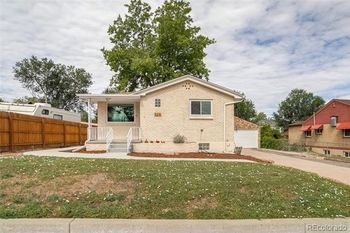
These Denver bungalows, the classic pre-1978 Denver home, are pulled live from the MLS every time you open this page.





Yes, on every home built before 1978. The 2026 Colorado contract also covers homes whose building permit was issued before January 1, 1978. The seller signs and delivers the Lead-Based Paint Disclosure (Sales) form, the EPA lead pamphlet and any lead reports by the Lead-Based Paint Disclosure Deadline.
No. The federal rule does not require the seller to test or remove lead paint. The seller discloses known lead-based paint, hands over any reports and gives the buyer a 10-day chance to test.
Federal law gives the buyer 10 days unless both sides agree in writing on a different period, and the buyer can waive the test in writing. In Colorado the buyer terminates by the Lead-Based Paint Termination Deadline set in the contract.
The buyer can waive the late disclosure or terminate under section 24.1 of the Colorado contract by the Lead-Based Paint Termination Deadline. A seller who knowingly hides lead paint faces federal penalties and three times the buyer's damages plus attorney fees.
Yes, for rentals built before 1978. The landlord gives the EPA pamphlet, discloses known lead paint, hands over reports and attaches a Lead Warning Statement to the lease. Leases of 100 days or less with no renewal are exempt.
Hire a certified lead inspector or certified risk assessor and ask to see the certification before you book. The Kenna Group at Keller Williams DTC schedules the lead test inside your 10-day window. Call 303-955-4220.
Yes. The Kenna Group at Keller Williams DTC (Keller Williams Realty DTC, LLC) sets your lead deadlines, reads the lead disclosure with you and helps you test, negotiate or terminate. Call 303-955-4220.
Call or text 303-955-4220. A live person answers. Not a robot, not a phone tree.
Colorado lead-based paint disclosure: this guide to the lead-based paint disclosure in Colorado, the pre-1978 home rule, the Lead-Based Paint Disclosure (Sales) form, the Lead-Based Paint Disclosure Deadline and Lead-Based Paint Termination Deadline in the Colorado contract, the 10-day lead inspection or risk assessment, the EPA lead pamphlet, seller and listing agent duties, landlord lead disclosure for Colorado rentals and the penalties for hiding lead paint summarizes 40 CFR Part 745, Subpart F and the Colorado Real Estate Commission Contract to Buy and Sell Real Estate (Residential), both read on November 29, 2026. Your signed contract controls your deal; older contracts signed on earlier forms read differently. This is general real estate information for Denver, Aurora, Lakewood, Englewood, Littleton, Arvada, Wheat Ridge, Westminster, Thornton, Commerce City, Colorado Springs, Pueblo, Greeley and Fort Collins home buyers, sellers and landlords from The Kenna Group at Keller Williams DTC (Keller Williams Realty DTC, LLC). It is not legal, health, environmental or lending advice. Real estate brokers are not attorneys or lead inspectors: hire a certified lead inspector or risk assessor for testing and read your contract with your own attorney.
Brian Lee Burke, the hardest working man in real estate
The Kenna Group at Keller Williams DTC. Helping You With Your Pad™. Licensed since 2003.
The Kenna Group is a real estate group with Keller Williams Realty DTC, LLC (Keller Williams DTC), serving Denver metro and Colorado home buyers and sellers.